Belgium Questions Participating

The VRT has doubts about a future participation in the Eurovision Song Contest. The Belgian broadcaster wants the organizer European Broadcasting Union to provide full transparency about the scoring. The VRT also wants to debate Israel’s participation with all countries.

“We have no indications that the scoring was not done correctly, but we do ask the EBU for full transparency,” says a spokesperson for the VRT. “The question is mainly whether the current voting system guarantees a fair reflection of the opinions of the viewers and listeners.” Twenty votes can be cast per person, which according to the broadcaster could lead to manipulation.

The statement from the Belgian broadcaster comes after the Spanish public broadcaster RTVE asked the European Broadcasting Union (EBU) to investigate the votes of viewers. RTVE finds it strange that Israel, despite protests against the country’s participation in the Song Contest, received twelve points from the Spanish public. Both the Belgian and Spanish professional juries gave Israel zero points.

The EBU states that the voting procedure was correct. “It is important to emphasize that the Eurovision Song Contest voting procedure is among the most advanced in the world. In each participating country, the result is carefully checked and verified by a large team to rule out suspicious or irregular voting patterns,” EBU boss Martin Green told the Belgian news agency Belga.

Green says that he takes the concerns of the broadcasters seriously in the evaluation of the last edition.

RTVE also wants a broad debate about Israel’s participation. This initiative is supported by the VRT. “We at VRT have noticed that the Song Contest as it is currently organized is less and less a unifying and apolitical event,” says the VRT. “It is increasingly at odds with the original standards and values ​​of the event and those of the public broadcaster.”

The VRT says that it works well with the EBU on “many levels”. But without a clear answer to his concerns, the Belgian broadcaster questions future participation.

The VRT cannot decide on participation in the next edition. Then it is the turn of the French-language Belgian broadcaster RTBF, with which the VRT alternates, to decide on participation in the event.

Israel came second in the singing competition on Saturday behind Austria. Israel’s participation has been controversial since the 2024 edition due to the war in Gaza. The EBU defends Israel’s participation because, according to the organization, the Eurovision Song Contest is a “non-political music event”. Source: nu.nl
Claude: Greece and Iceland

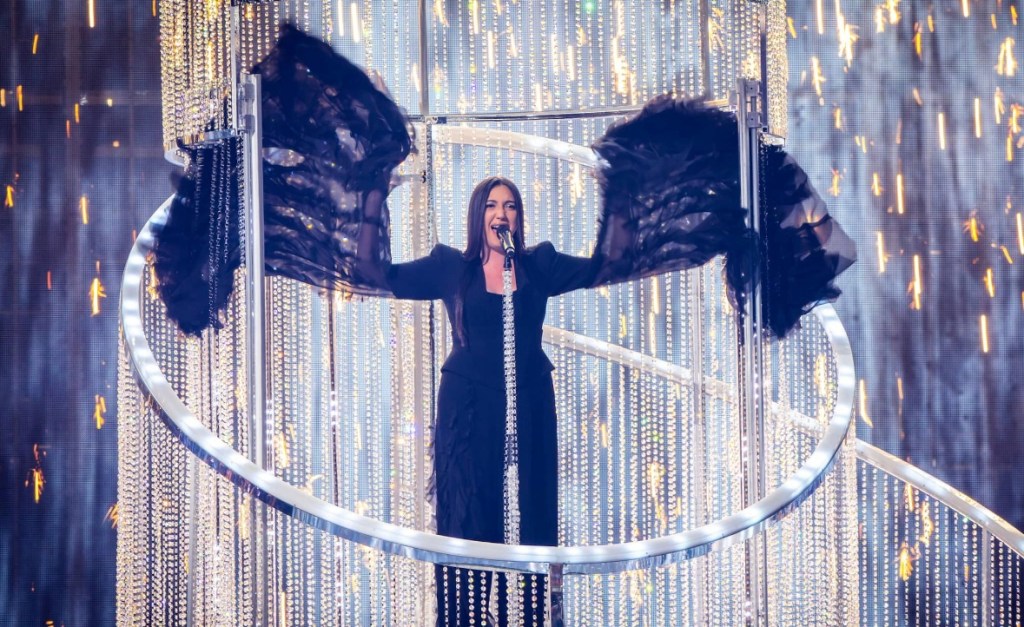
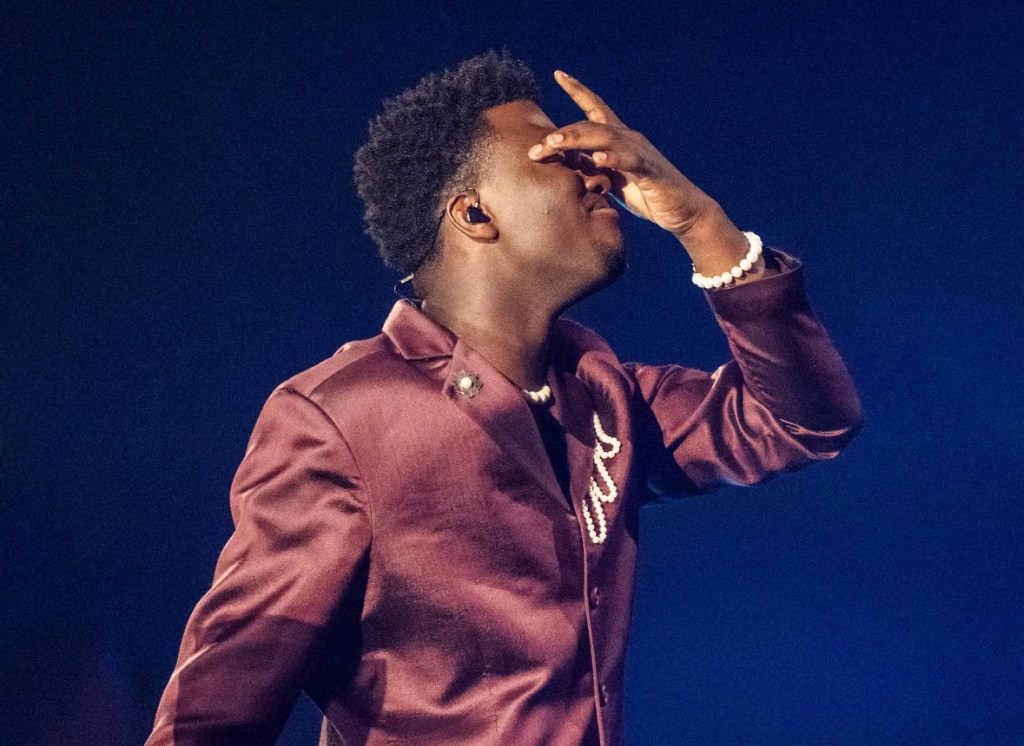
Claude’s performance in the final of the Eurovision Song Contest was most appreciated by viewers in Greece and Iceland. In both countries, the Dutch singer received six points, good for fifth place.

In total, Claude received 42 points from the viewers for his performance with C’est La Vie. He had hoped for more, the singer said after the Song Contest in Basel, Switzerland.

Fourteen of the 37 countries gave Claude audience points. Claude eventually came twelfth. He owed that largely to the points of the professional juries. He received a total of 133 points from 23 countries.

The juries of Ireland, Poland, Spain and Iceland gave Claude ten points, the second highest score. Source: nu.nl

Off to Basel

Claude leaves Schiphol for Basel on Saturday to officially start his Eurovision Song Contest adventure. The first day is tough right away: a rehearsal is scheduled for Sunday. The press is not allowed to see it, and the singer is happy about that.

For the first time in years, the press is not allowed to make their own images during the rehearsals for the semi-finals and final. It is part of new rules to protect artists. The rehearsals in the first week have been held behind closed doors for years, although a short fragment does appear on social media.

“I like it,” says Claude during the farewell moment at Schiphol. According to the 21-year-old singer, it gives artists peace of mind. In this way, before the start of the semi-final, all kinds of images of moments that an artist might have wanted differently are not already online.

In previous years, people sometimes fell during rehearsals, set pieces fell over or a dancer was not in the right place. The fact that this was on camera had a great impact on participants and how they felt about the competition.

A fragment of the second rehearsal next week will be online. “Maybe the first rehearsal isn’t exactly what you want,” says Claude. “So it’s nice that you still have time to adjust it, and that the rest only sees it later. I do like that the media might get something, but it’s best if that’s later.”

The singer has been busy preparing for his departure until late at night. He will rehearse this first week, but he also hopes to have time for himself.

“I’m also up for just exploring the city later. I’m very curious about the city and the people and everything. So I’m going to find a good balance to be focused, but also do fun things on the side.” Source: nu.nl.

No Pride

Artists participating in this year’s Eurovision Song Contest in Basel are not allowed to wave a rainbow or other pride flag on stage or in the Green Room. Only national flags are allowed.

The Eurovision Song Contest organiser European Broadcasting Union (EBU) confirmed the news after reports from Danish broadcaster DR.

If participating artists break the rules, there may be consequences. It is not clear what kind of sanctions will apply.

A more liberal flag policy applies outside the stage. All flags that are permitted under Swiss law may be used. This will soon also apply to the audience; fans will therefore be allowed to bring a pride flag.

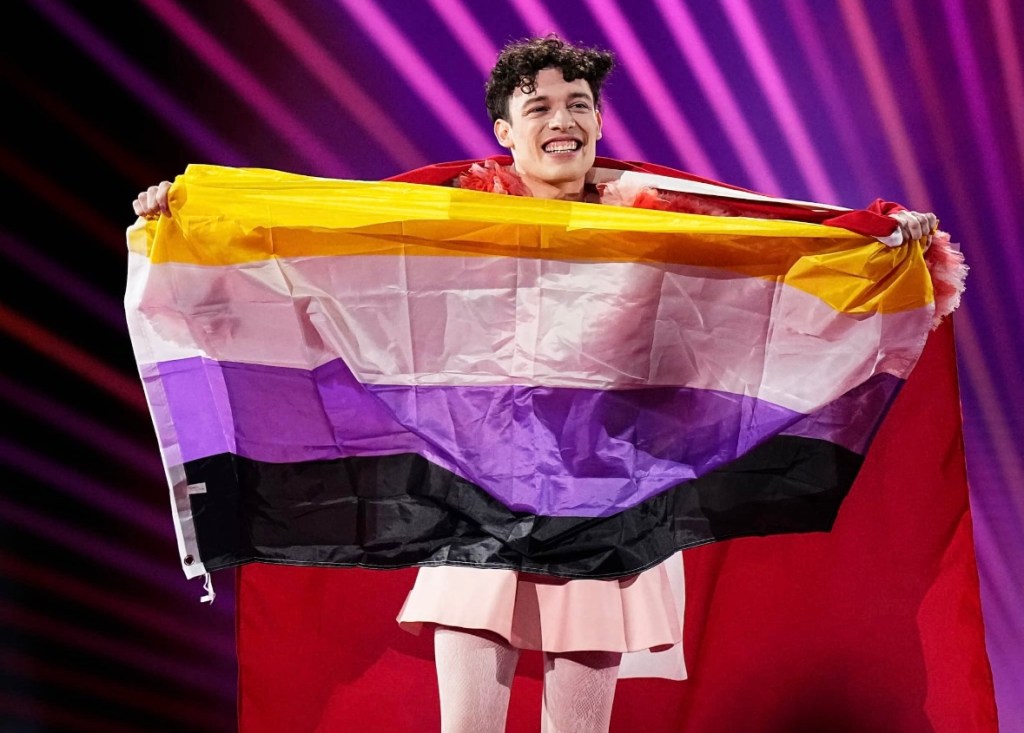
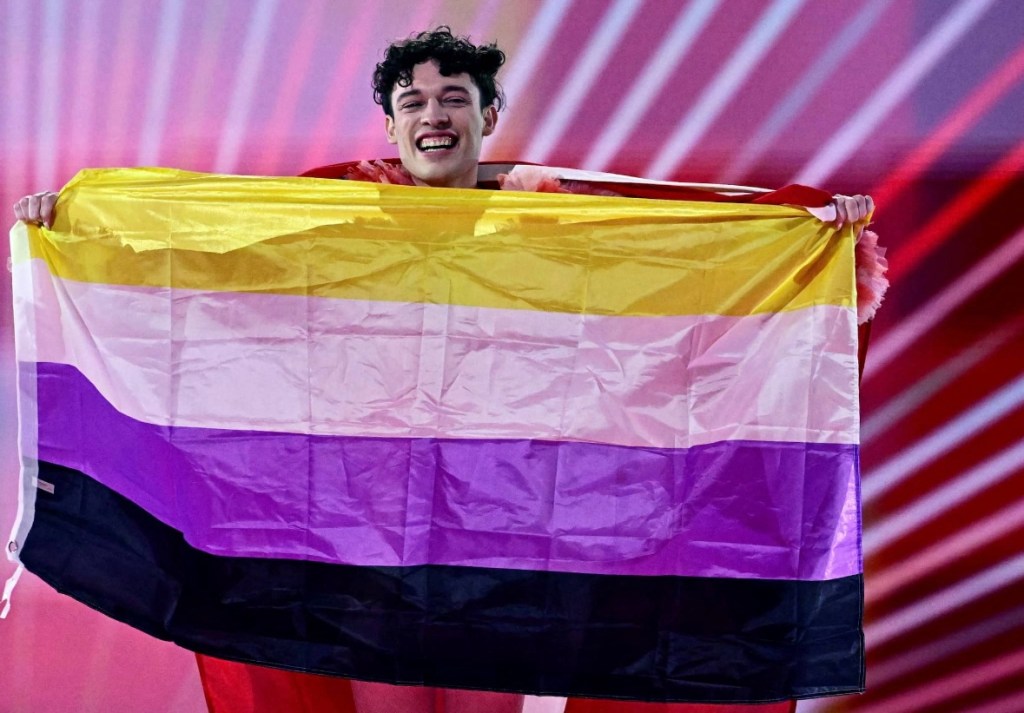
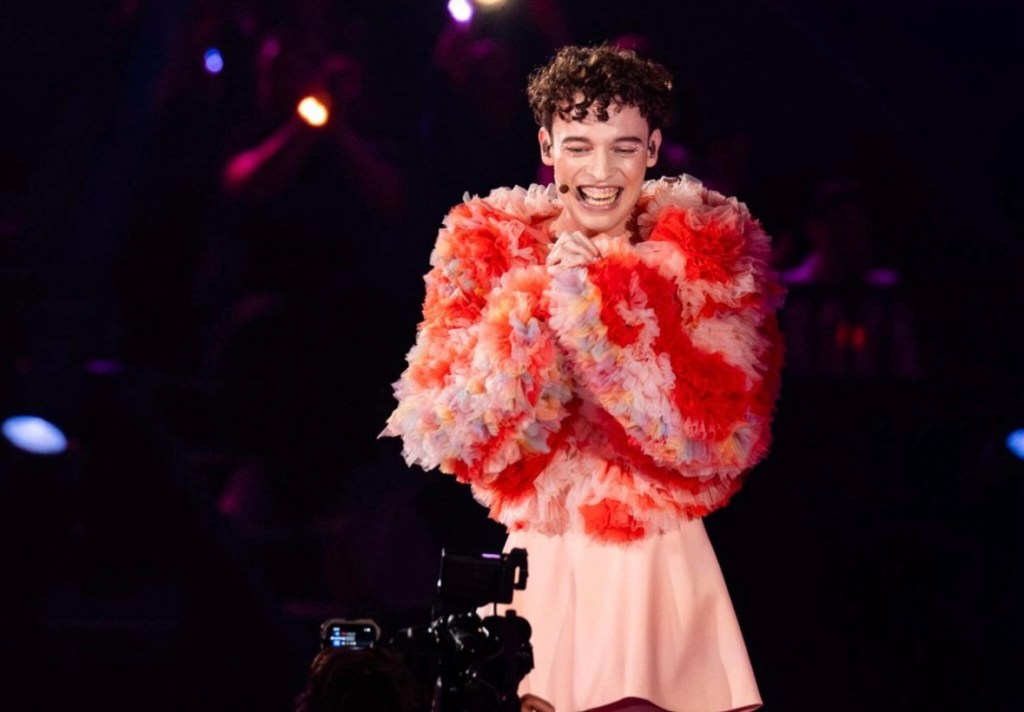
Last year, there were many complaints about the flag policy in Malmö. Some fans had to hand in unusual flags, such as the rainbow flag or the European flag, at the door. Swiss winner Nemo was not allowed to bring the non-binary flag on stage. The artist later said that he had “smuggled the flag in”.

In previous years, many artists also carried a pride flag alongside their national flag. This also applies to S10, at the start of the Eurovision Song Contest final in Turin in 2022. Source: nu.nl.

Lucky Number 13

Claude will perform thirteenth in the first semi-final of the Eurovision Song Contest. This was announced by the European Broadcasting Union (EBU) on Thursday. After the Dutch entry, only Croatia and Cyprus will follow.

The first semi-final will take place on 13 May and will be opened by Iceland. In this semi-final, Claude will compete against favourites Sweden and Estonia, among others. In the second semi-final, on 15 May, Australia will perform first. Finland will close that evening.

Switzerland is organising the Eurovision Song Contest in Basel this year. As the winner of the previous edition, the country is automatically assured of a place in the final. The five largest financing countries, the so-called Big Five – Italy, France, Germany, Spain and the United Kingdom – have also qualified directly.

Although these six countries do not have to participate in the semi-finals, they will perform during one of the shows. In the first semi-final, in which Claude will also perform, Spain, Italy and host country Switzerland will perform. Because these countries do not receive a starting number, Claude is officially thirteenth on the list, but in the full line-up of the evening he will enter the stage as the fifteenth participant.

The Netherlands is participating in the Eurovision Song Contest for the 65th time this year. Claude represents the Netherlands with the song C’est La Vie. According to the bookmakers, he has a chance of a top 10 position. Sweden and Austria are currently seen as favourites for the win. The Netherlands is currently in fifth place in the predictions. Source: nu.nl.

Moldova Out

Moldova will not participate in the Eurovision Song Contest in May. Broadcaster Moldova 1, which is organizing Moldova’s contribution, announced this on Wednesday.

Director Corneliu Durnescu of Moldova 1 announced at a press conference that no candidate had been found that met the qualitative standards. “This decision was not easy, but it was necessary,” Durnescu told Moldovan media. According to him, the choice this year was “a challenge”.

After consulting with various music experts, the selection committee concluded that it would be better for Moldova to withdraw this year. The decreased interest of the Moldovan public in the Song Contest also plays a role.

The selection committee will evaluate the procedure and adjust it where necessary. Due to Moldova’s decision, only 37 countries will participate in the competition in Basel in May.

The Eurovision Song Contest will take place from 13 to 17 May in Switzerland. The Netherlands will be represented by Claude this year. His song has not yet been announced.

Moldova was represented by Natalia Barbu last year and did not reach the final. The country first participated in 2005 and has reached the final thirteen times. The best result was in 2017, when the song Hey Mamma by SunStroke Project came in third. Source: nu.nl
Presenting

Hazel Brugger, Michelle Hunziker and Sandra Studer will present the 2025 Eurovision Song Contest in Basel, Switzerland. This was announced on Monday by the organizing Swiss broadcaster SRG SSR.

Under the name Sandra Simó, Studer represented Switzerland at the 1991 Song Contest in Rome. She finished fifth with the song Canzone per te.

Brugger is a Swiss stand-up comedian. Hunziker is a Swiss-Italian presenter and singer with a Dutch mother. She was married to the Italian singer Eros Ramazzotti and is known from programs such as Deutschland sucht den Superstar and Idols.

The Eurovision Song Contest will take place from 13 to 17 May. Switzerland organizes the Song Contest because the Swiss artist Nemo won last year with the song The Code.

Claude will represent the Netherlands at the 2025 Song Contest. Source: nu.nl.

Thirty-eight Participants

Next year, 38 countries will participate in the Eurovision Song Contest in Basel. This was announced by the organizing European Broadcasting Union (EBU) on Thursday. This is one more than the last edition, thanks to the return of Montenegro.

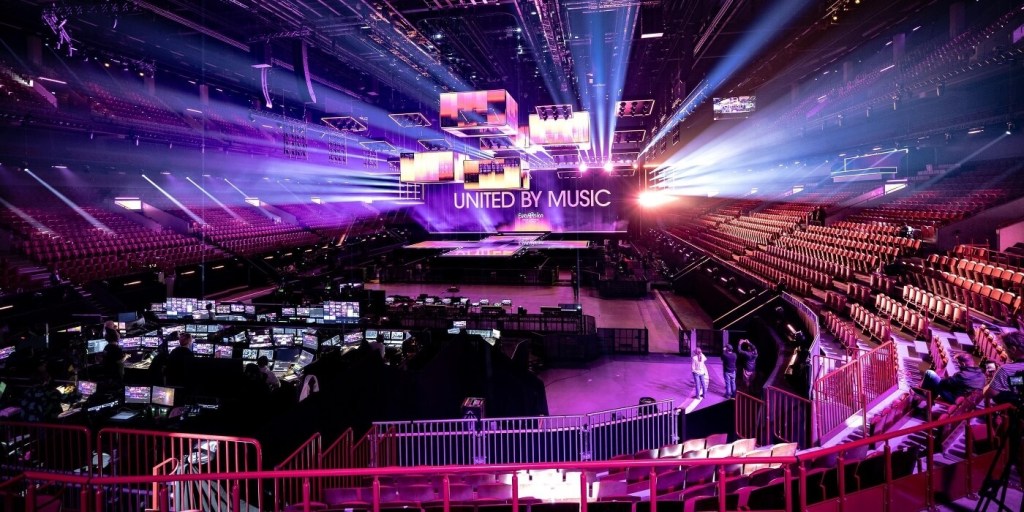
The music event will take place in the St. Jakobshalle and is organized by the Swiss broadcaster SRG SSR. Switzerland organizes the song contest because Nemo won in Malmö this year with the song The Code.

Of the 38 countries, 32, including the Netherlands, are allowed to participate in the semi-finals on 13 and 15 May. The draw for the semi-finals is on 28 January. The so-called ‘Big Five’ – France, Germany, Italy, the United Kingdom and Spain – and host country Switzerland are already assured of a place in the final, which will take place on 17 May.

All participating broadcasters will announce their artist and song in the coming months. All songs must be submitted by mid-March.

Earlier this month, Montenegrin rock band NeonoeN withdrew from the Eurovision Song Contest. The group had performed the submitted song CLICKBAIT during a performance in 2023, while entries cannot have been released or performed publicly before 1 September 2024. Source: nu.nl

concept art.

A Safer Eurovision

The Eurovision Song Contest will look different in 2025 to guarantee the safety of participants. For example, cameras will be banned in more places and rehearsals will take place behind closed doors more often. The organization of the music festival announced this on Tuesday.

This year, the organizer European Broadcasting Union (EBU) received complaints from participants in the Eurovision Song Contest. They allegedly did not always feel safe behind the scenes. Several countries threatened to take measures if the organization did not take action.

In response to these signals, the EBU has now decided to introduce a code of conduct. Everyone who works on the event must sign these rules. This includes artists and their supervisors, but also people behind the scenes and journalists, for example.

In addition, there will also be places in the artist rooms where filming is absolutely prohibited. This was not the case in previous editions.

This year, an incident took place behind the scenes in the artist room in which Joost Klein allegedly got into an argument with a camerawoman. The Netherlands was disqualified because of that incident and the Swedish police investigated. Ultimately, Klein was not prosecuted.

After the incident with Klein, AVROTROS considered skipping the Eurovision Song Contest next year. In a response, the broadcaster stated that it was satisfied with the announced measures. “We see that the EBU has listened to our comments. We will continue to monitor whether the changes and renewed agreements that have been made are being complied with and enforced.”

The organization has also chosen to hold rehearsals behind closed doors. This already happened during the first rehearsals, but artists will be given even more space to rehearse their song without journalists present.

It is not clear whether this will have consequences for the collaboration with TikTok. The Eurovision Song Contest always shares the first images of rehearsals on that platform. It is also not known whether journalists will still be able to attend rehearsals.

Furthermore, a producer will be appointed who will be specifically responsible for the mental health of artists and employees. This producer will be held responsible for a safe and respectful environment.

The Eurovision Song Contest will take place in Basel in 2025, after Nemo won on behalf of Switzerland this year. It is not yet known which artist will participate on behalf of the Netherlands. However, registrations have now closed. Source: nu.nl

Basel Residents Vote Positive

The residents of the Swiss city of Basel have voted by a large majority in favor of public funding for the Eurovision Song Contest in 2025, the AFP news agency reports. The amount involved is almost 40 million euros.

A partial count has shown that more than 66 percent of voters are in favor of using tax money to organize the event. Without that money, activities surrounding the international event would be drastically scaled back.

Switzerland went to the polls on Sunday to vote in a number of referendums. These were about, among other things, highways, housing and therefore the Eurovision Song Contest.

Referendums play an important role in politics in Switzerland. By collecting a certain number of signatures, citizens can request a referendum on bills or important issues, such as in this case the public funding of the Eurovision Song Contest. The result of such a referendum is binding.

The Christian-conservative political party EDU called for a referendum on the Song Contest, because it would be a “terrible propaganda event”. The party believes, among other things, that artists display “occult and satanic messages”.

The EDU is a relatively small party, but the larger party SVP is also critical of the event. The party called the song festival a “big theater with little content and embarrassing self-promoters.”

The Eurovision Song Contest 2025 will take place in May. Last month it was announced that the Netherlands will be participating in the Song Festival again next year. It is not yet known who will represent the Netherlands. Source: nu.nl

Three Hundred and Thirty One

The Dutch selection committee for the Eurovision Song Contest has received 331 entries for the 2025 edition. “A huge and fantastic number considering the short period that registration was open,” AVROTROS announced on Saturday.

The number ensures diversity: the entries include songs in Dutch, English and other languages, ranging from ballads to uptempo and rock songs.

Registration for the Song Contest opened later than usual this year. For a long time it was unclear whether the Netherlands would participate in the edition in Basel, Switzerland, due to the controversy surrounding the disqualification of Joost Klein.

The Europapa singer declined to participate in the upcoming edition and “needs more time to recover”. “I am grateful for all the love and support I have received. But I am still devastated by what happened this year,” Klein said earlier.

The selection committee will consider the entries in the coming weeks and then determine which artist will represent the Netherlands in Basel. While the number of 331 is an impressive result, it is lower than last year’s record number of over 600 entries. Source: nu.nl

Anouk Again

Anouk has sent a song to the Eurovision Song Contest selection committee. The singer said this on Thursday evening during the broadcast of RTL Boulevard.

Anouk says that she was approached by the selection committee for possible participation in the Song Contest. “After that, I immediately sent in a song”, says Anouk.

She has not heard anything from the committee yet. “They can never do that, because they do not want to favor people. I think that there are enough people who could and would possibly go”, emphasizes the singer. “As a songwriter, I also think that the best song should win. I also understand when people say: she has already been.”

Anouk already participated in the Song Contest in 2013 with the song Birds. She came ninth in the final in Malmö, Sweden. She was the first Dutch participant in nine years to reach the final.

The song with which the artist has now registered is a “fairly hard song and not a depressive ballad”. “They’re not birds falling off the roof,” she says, referring to her previous entry.

Anouk also said during the broadcast that she had submitted a song for this year’s edition together with rapper Latifah. But the selection committee chose the song Europapa by Joost Klein. “What I don’t think is nice is that you don’t just send an email saying: unfortunately, you didn’t get it.” Source: nu.nl.

Safe Space

Participants in the Eurovision Song Contest will be given so-called “safe spaces” to withdraw. This was reported by the chairman of the supervisory board of the Song Contest to the Swiss newspaper SonntagsBlick. The Song Contest will take place in Basel in May next year.

After criticism of the organization of the last edition in the Swedish Malmö, the European Broadcasting Union, the organizer of the Song Contest, commissioned an independent investigation. This resulted in serious recommendations to improve the event. Many countries, including the Netherlands, filed complaints because of “an unsafe atmosphere” behind the scenes. The organization is now trying to tackle this with safe spaces.

According to chairman Bakel Walden, “a few things” from the previous edition may not take place again. For example, communication will be improved and the event must remain as neutral as possible. “We cannot solve the many wars and conflicts in the world during the Song Contest,” says Walden. With this he refers to the controversy surrounding Israel’s participation.

Walden expects participants to behave “honestly and respectfully” during the Song Contest. It is not yet clear whether the Netherlands will participate in the upcoming edition. AVROTROS has not yet made a decision after Joost Klein was disqualified during the previous edition. Source: nu.nl

Basel It Is

The Eurovision Song Contest will be held in Basel next year. The Swiss city is allowed to organize the event because Switzerland won the Song Contest earlier this year thanks to artist Nemo and the song The Code.

The Song Contest will be held in the St. Jakobshalle, which has a capacity of over twelve thousand visitors.

The battle for the organization of the Song Contest was between Basel and Geneva until the last moment. The European Broadcasting Union (EBU) has thoroughly tested the proposals of the two cities against set criteria. For example, a location with a capacity of at least ten thousand visitors must be available. The city must also offer enough hotel rooms and be easily accessible. Zurich and a collaboration between Bern and Bielle were previously eliminated.

The Eurovision Song Contest is organized each year by the country that won the previous year. Switzerland received the most points in May of this year with the song and performance of Nemo. The artist won in Malmö, after the Swedish Loreen had emerged as the winner a year earlier.

The Song Contest in Malmö did not go without a hitch this year. Dutch participant Joost Klein was disqualified just before the final due to an incident with a camerawoman. Earlier this month it was announced that he will not be prosecuted for this. Broadcaster AVROTROS wants to meet with the EBU again to discuss the disqualification.

AVROTROS, the broadcaster responsible for the Eurovision Song Contest in the Netherlands, has not yet committed to participating in the 2025 edition. Broadcasters from several countries complained about the unpleasant atmosphere behind the scenes at the event. AVROTROS says it only wants to participate if the EBU changes this.

The 2025 Eurovision Song Contest will be held on 13, 15 and 17 May. The exact dates have yet to be announced. It was recently announced that Montenegro will return after a two-year absence. Source: nu.nl

EBU Admits Mistake

The Eurovision Song Contest organization acknowledges that the flag policy at the door of the Malmö Arena was not working well this year, with people wrongly having to hand in their rainbow or other pride flags.

“Pride flags were not banned and were welcome alongside the flags of the participating countries,” the European Broadcasting Union (EBU) assured on Instagram.

“However, sometimes things do not go as planned during complex live events and we recognize that we could have done better. We regret that people were wrongly forced to hand in their flag or felt that this prevented them from being their authentic selves.”

The organization felt compelled to write something about its flag policy after a post appeared on Instagram earlier in the day to mark the start of Pride Month. Many followers called the post “hypocritical”, as Swiss winner Nemo claimed that they were not allowed to take the non-binary flag on stage. The artist had to “smuggle it in”.

The EBU emphasizes that it is “incredibly proud” of Nemo and all non-binary, trans and queer fans. “We are grateful to them for bringing this to our attention,” the EBU statement reads.

The European flag was also not allowed inside the music event. European Commissioner Margaritis Schinas subsequently asked the EBU for clarification. The broadcasting association then gave the “sensitive global political context” as an explanation. “It was never our intention to discredit the EU flag itself,” the EBU said. Source: nu.nl

Global Papa

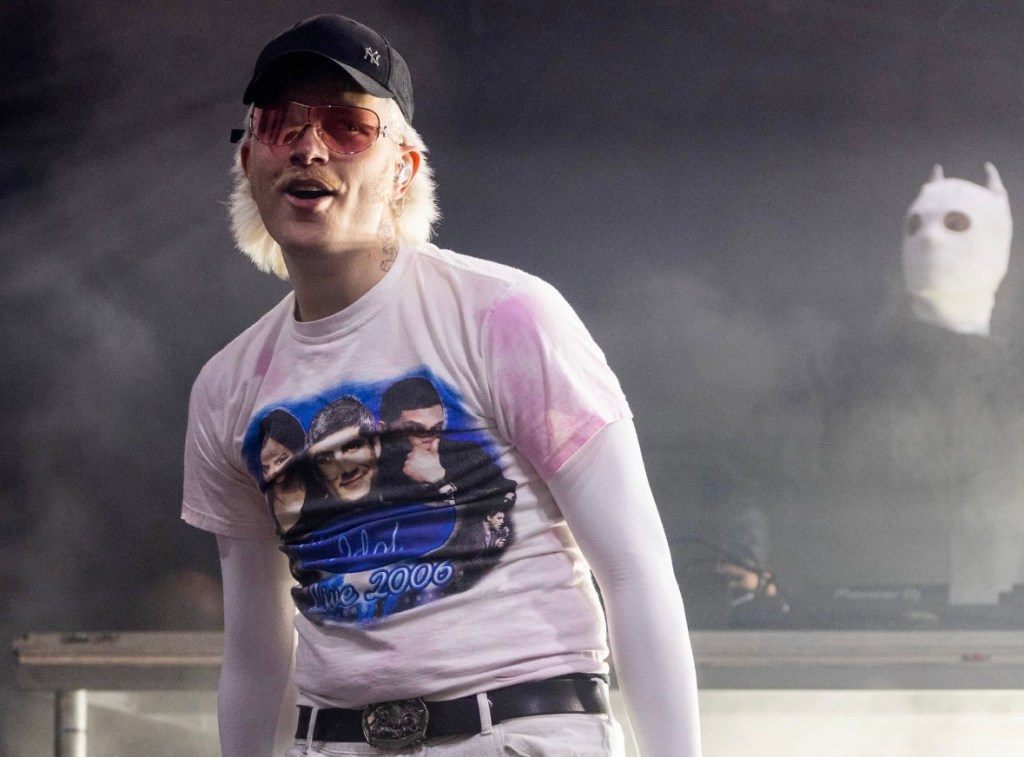
We will never know what would have happened if Joost Klein had been allowed to participate in the final of the Eurovision Song Contest, but he impressed Europe even with disqualification. The singer stormed the charts with Europapa last week.

The final of the Eurovision Song Contest attracts millions more viewers every year than the semi-finals that take place during the week. Klein missed his chance to appeal to this large audience because he was disqualified after the second semi-final. Yet this is not reflected in his chart success.

Europapa is the most listened to entry of the year on Spotify. The counter now stands at more than 83 million streams, a significant part of which have of course also been collected in the Netherlands.

He keeps the Italian Angelina Mango at bay, who has been played 72 million times with her hit la noia. Europapa peaked at 22nd place on Spotify’s global hit list a few days after the Eurovision Song Contest. That’s higher than any other entry.

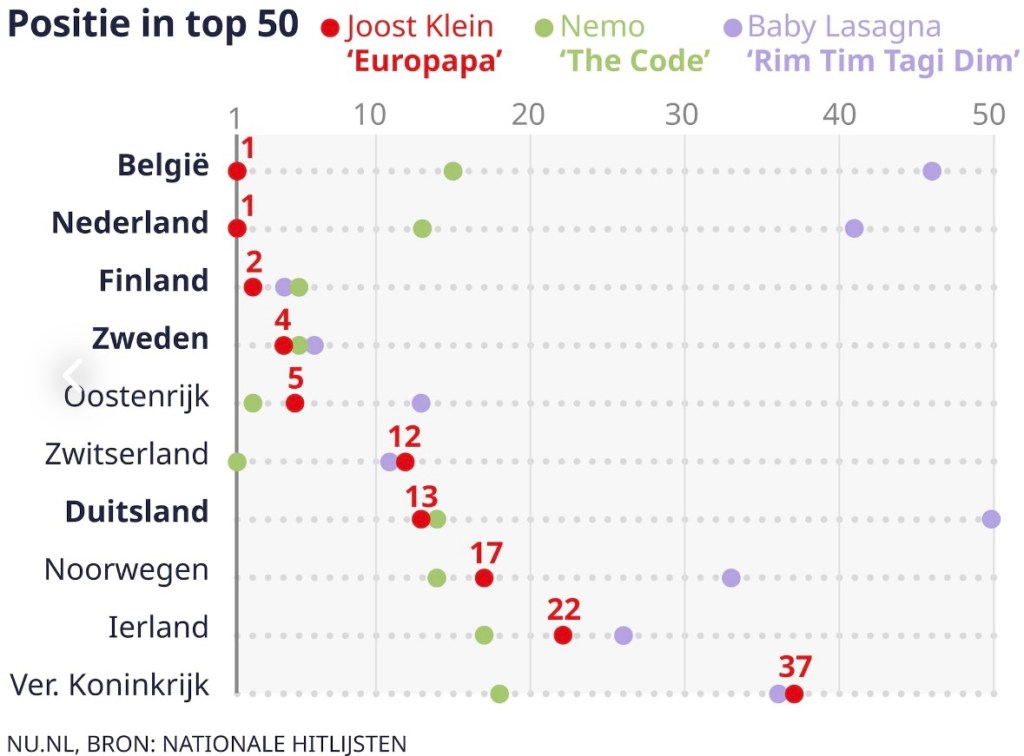
Joost Klein is also doing well in the official charts in Europe. It took first place in the Baltic states of Estonia, Latvia and Lithuania, and is at the top among our southern neighbors. In addition, Klein is the highest ranked Eurovision participant in Sweden, Finland and Germany. There he leaves the eventual winner, Nemo from Switzerland, behind him.

Nemo is also doing well in the charts with their winning song The Code. In many European countries they rank highly and in their home country the song is in first place. Baby Lasagna from Croatia, which received the most votes from the public and finished second, can also count on chart success. His Rim Tim Tagi Dim is the most frequently and highly rated after the songs of Joost and Nemo.

Klein’s success is not limited to Europe. The singer is also heavily played in the United States, where the Eurovision Song Contest is not very popular. Billboard reports that American users accounted for more than 7 percent of the 23 million Spotify streams. The last time a Eurovision song achieved such a large share of listeners in the US was when the Italian band Maneskin became successful worldwide.

Europapa’s figures are extra striking, because Klein largely performs the song in Dutch, Billboard reports. Europapa was listened to a total of 1.75 million times in the US last week, which is more than twice as many times as Nemo’s The Code.

Klein has not yet managed to find a place in the official American chart Billboard Hot 100. However, he is at fourteenth place in Billboard’s dance chart. Source: nu.nl.

Unpleasantness

What should have been a fun musical party turned out to be a debacle for the Netherlands. Today it turned out that the Netherlands had already reported an unsafe atmosphere before the disqualification. Ireland, Lithuania and Norway also spoke out critically.

“Fuck the EBU!” These are not just the words of Eurovision commentator Cornald Maas after Joost Klein’s disqualification, they are also the words used by Irish artist Bambie Thug after the final of the Eurovision Song Contest. They both addressed the organizer of the festival, the European Broadcasting Union (EBU).

After the final, the Lithuanian entry wrote on social media that it would have been better if the entire party had been stopped after the first semi-final and now the Norwegian band Gate is also speaking out critically. “Withdrawing was an option until the last minute. We ultimately had constructive discussions with the EBU and that was just good enough for us to continue.”

Switzerland, the United Kingdom, Ireland and Portugal are all said to have threatened to withdraw due to the atmosphere behind the scenes, which was described as tense by several participants. On Tuesday it emerged that the Netherlands and Norway were also among the countries that reported the working atmosphere.

When asked, AVROTROS informed nu.nl that it had made an official report of the unsafe atmosphere behind the scenes. They already did that on Friday, when Joost Klein had not yet been disqualified.

The disqualification of Joost Klein may feel like the moment that everything went wrong for the Dutch, but there was already a lot of pressure on the event in the run-up to the Eurovision Song Contest. Israel’s participation made it perhaps the most politically charged edition in the 68 years that the festival has been held.

From the very first Eurovision events, participants were asked for their opinion on Israel’s entry, which sometimes led to emotional moments. After the final, Bambie Thug was crying to journalists because they had experienced so much pressure to ignore political opinions that it no longer felt sincere.

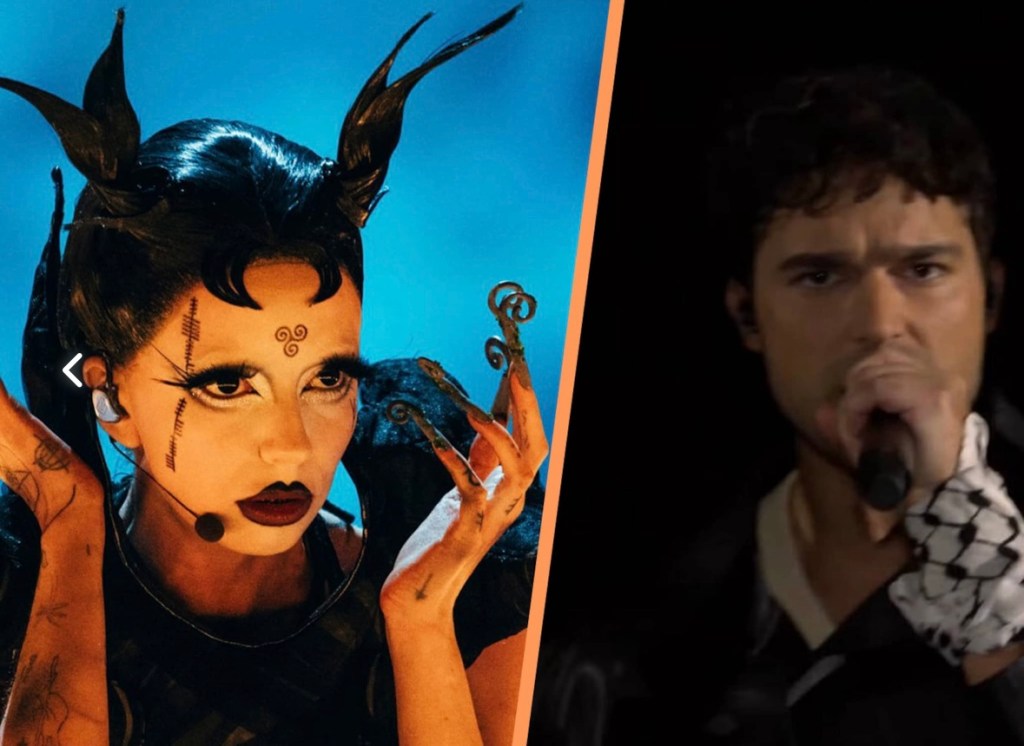
Bambie Thug is also the artist who was commissioned by the organization to remove the word ‘ceasefire’ in old Irish script from their face. The watermelon, painted on the chest of Australia’s entry was overlooked by the organization: the fruit is also seen as a statement of support for the Palestinians. Former participant Eric Saade received an angry response from the EBU after he wore a kaffiya during a performance. The scarf also symbolizes a signal of commitment to Palestine.

Things also went wrong in the commentators’ booths. For example, the Israeli colleague of Cornald Maas and Jacqueline Govaert announced the Irish entry as “the artist who speaks negatively about Israel”. The Irish delegation then filed a complaint with the EBU and the commentator was reprimanded.

The performance of Portuguese singer Iolanda during the final never appeared on social media because she had, among other things, the Palestinian flag painted on her nails. Such a political statement is prohibited according to the rules of the Eurovision Song Contest and therefore the artist could have been disqualified. It is unclear why this did not happen.

The Portuguese broadcaster RTP has not only been critical of the exclusion of Iolanda’s performance on social media, they also find it unacceptable that the EBU used an “anti-booing system” during the semi-final and final. As a result, the booing of the EBU and Israel’s entry was less received by the viewers at home than in the audience.

“For an organization like the EBU and for an organization like RTP and the European public media service, the fight against fake news, misinformation and the manipulation of information is a constant battle. It is unacceptable that this is possible. This method distorts the truth.”

AVROTROS is also critical: “We believe that when a musician performs you should always show what it does to the audience.”

As always, the European Broadcasting Union is difficult to reach, but responded to the angry reactions in an official statement. The organization places the blame mainly on the participating countries themselves.

“We find it very unfortunate that some delegations did not adhere to the rules during the event and during broadcasts. We have spoken to several delegations about incidents that have come to our attention. The EBU continues to engage with the chairmen of delegations and will do an evaluation of this Eurovision Song Contest.”

“In this way we hope to be able to move forward in a positive way, in a way where everyone respects the values of this event. Individual problems will be discussed in a subsequent meeting.” Source: nu.nl

First Bid

After Switzerland’s win at the Eurovision Song Contest, Geneva wants to host the 2025 edition. The Palexpo exhibition and events complex in the Swiss city has already submitted a bid to the Swiss broadcaster SSR, writes the newspaper Le Temps. Palexpo has coordinated the plans with the city council.

It is tradition that the winning country organizes the next edition. Geneva is the first city to report. Swiss media also takes into account the interest of cities such as Zurich, Basel and Bern. Previous Swiss editions of the Eurovision Song Contest were in Lugano (1956) and Lausanne (1989).

Geneva is located in the far west of Switzerland, on the border with France. It is a very international city, with offices of the United Nations, the World Trade Organization, the World Health Organization and the Red Cross, among others.

Geneva is also home to the European Broadcasting Union (EBU), an umbrella organization of public broadcasters and organizer of the Eurovision Song Contest. The EBU played a leading role in this week’s edition. The organization was criticized for the decision to allow Israel to participate due to the war between Israel and Hamas in the Gaza Strip, while Russia has been banned since 2022 due to the war in Ukraine.

There was also a lot of dissatisfaction among fans and participants about the decision to disqualify the Dutch entry Joost Klein. At the final last night, there were boos and cheers in the audience when Eurovision boss Österdahl came into view.

Switzerland won the Eurovision Song Contest for the third time yesterday, with the song The Code by Nemo. He is the first non-binary winner of the song festival. Source: NOS.

Winner 2024

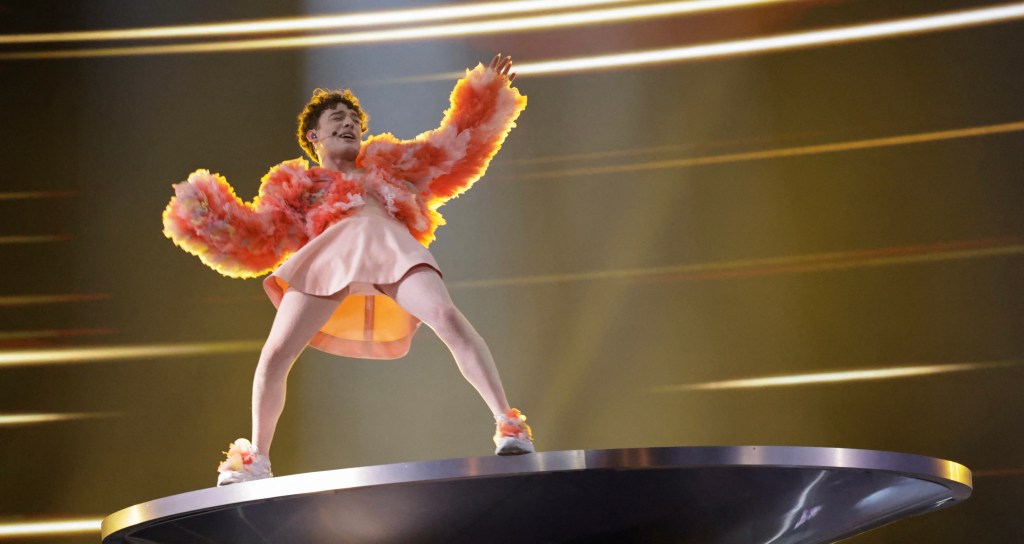
Switzerland is the winner of the Eurovision Song Contest 2024. Singer Nemo won with the song The Code. The Netherlands has been disqualified and Joost Klein was therefore missing on Saturday evening.

Nemo won the jury points convincingly: a total of 21 countries awarded ‘twelve points’ to The Code. The Netherlands also gave the most points to the Swiss song.

Switzerland, on the other hand, did not win the televoting. Ukraine received by far the most points from the viewers at home, after which it was Israel who emerged from the televote with the most points.

Nemo is the first non-binary person to win the Eurovision Song Contest. “I hope this match continues to deliver on its promise and stand for peace and dignity for all,” they said after the win.

Joost Klein was not allowed to perform his Europapa during the final of the Eurovision Song Contest. He was told earlier on Friday that he was excluded from the match because he had been involved in an incident. Klein allegedly made a threatening movement towards a female employee. Source: nu.nl.

Netherlands in Top 3

Joost Klein has risen again at the betting offices. His Eurovision Song Contest song Europapa has been in third place since Friday.

When the artist released the song on February 29, he was still somewhere around twentieth place in the list of participating countries. Now he only has to pass Croatia and Switzerland to the number one spot.

According to the betting offices, the chance that Klein will win the song festival is now 11 percent. Previously this was only 5 percent.

The increase follows after Klein posted a photo and a video with the Finnish Käärijä, one of the favorite artists of the Eurovision Song Contest 2023, on Instagram on Wednesday. Source: nu.nl

Eurovision 1989

This evening the 34th edition of the annual Eurovision Song Contest was held on 6 May 1989 in the Palais de Beaulieu in Lausanne, Switzerland. Organised by the European Broadcasting Union (EBU) and host broadcaster Télévision suisse romande (TSR) on behalf of the Swiss Broadcasting Corporation (SRG SSR), and presented by Jacques Deschenaux and Lolita Morena, the contest was held in Switzerland following the country’s victory at the 1988 contest with the song Ne partez pas sans moi by Céline Dion.

Each participating broadcaster submitted one song, which was required to be no longer than three minutes in duration and performed in the language, or one of the languages, of the country which it represented. A maximum of six performers were allowed on stage during each country’s performance. Each entry could utilise all or part of the live orchestra and could use instrumental-only backing tracks, however any backing tracks used could only include the sound of instruments featured on stage being mimed by the performers.

The results of the 1989 contest were determined through the same scoring system as had first been introduced in 1975: each country awarded twelve points to its favourite entry, followed by ten points to its second favourite, and then awarded points in decreasing value from eight to one for the remaining songs which featured in the country’s top ten, with countries unable to vote for their own entry. The points awarded by each country were determined by an assembled jury of sixteen individuals, who were all required to be members of the public with no connection to the music industry, split evenly between men and women and by age. Each jury member voted in secret and awarded between one and ten votes to each participating song, excluding that from their own country and with no abstentions permitted. The votes of each member were collected following the country’s performance and then tallied by the non-voting jury chairperson to determine the points to be awarded. In any cases where two or more songs in the top ten received the same number of votes, a show of hands by all jury members was used to determine the final placing.

Partly due to the close result at the previous year’s event, the tie-break procedure, to determine a single winner should two or more countries finish in first place with the same number of points, was modified. For the 1989 event and for future contents an analysis of the tied countries’ top marks would be conducted, with the country that received the most 12 point scores being declared the winner. If a tie for first place remained then the country with the most 10 points would be crowned the winner. Should two or more countries still remain tied for first place after analysing both 12 and 10 point scores then the tying countries would be declared joint winners.

Twenty-two countries participated in the contest, with Cyprus returning after a one-year absence. Among the participating artists were the two youngest artists to have ever participated in the contest, 12-year-old Gili Netanel and 11-year-old Nathalie Pâquerepresenting Israel and France respectively; the inclusion of the young performers led to some controversy in the run-up to the event.

The winner was Yugoslavia with the song Rock Me, composed by Rajko Dujmić, written by Stevo Cvikić and performed by the group Riva. This was Yugoslavia’s first contest victory in twenty-four attempts. The United Kingdom, Denmark, Sweden and Austria rounded out the top five positions; the UK and Denmark placed second and third for a second consecutive year, and Austria finished in the top five for the first time since 1976. Finland gained their best result since 1975, while Ireland and Iceland achieved their worst ever placings to date, placing eighteenth and twenty-second respectively, with Iceland ultimately earning nul points and coming last for the first time.

Eurovision 1988

Today the 33rd edition of the annual Eurovision Song Contest took place in Dublin, Ireland, following Johnny Logan’s win at the 1987 contest with the song Hold Me Now. Organised by the European Broadcasting Union (EBU) and host broadcaster Radio Telefís Éireann (RTÉ), the contest was held at the RDS Simmonscourt and was hosted by Irish broadcaster Pat Kenny and the Miss Ireland 1980 Michelle Rocca, marking the first time since the 1979 contest that two presenters had hosted the contest.

Twenty-one countries took part, after an initial plan of twenty-two, as Cyprus’ song was disqualified for breaching the contest’s rules by being published a few years earlier, in an attempt to represent the country at a prior edition of the contest. The Cypriot song had been drawn to be performed 2nd in the running order.

The contest helped launch an international career for two now world-famous artists, the winner for Switzerland Céline Dion and Luxembourg’s representative Lara Fabian. Canadian Céline Dion was a rising star in the French-speaking world at the time of the contest. Shortly afterwards she started recording songs in English to great worldwide success. As Dion, Belgian-Canadian Lara Fabian also achieved a successful career after the contest with becoming established in various countries worldwide, with a mainly French-sung repertoire. The UK entry was written and composed by Julie Forsyth, the daughter of the entertainer Bruce Forsyth who was present. When interviewed afterwards he was particularly annoyed at the Dutch jury not having given a vote to the UK, as they had done some work there.

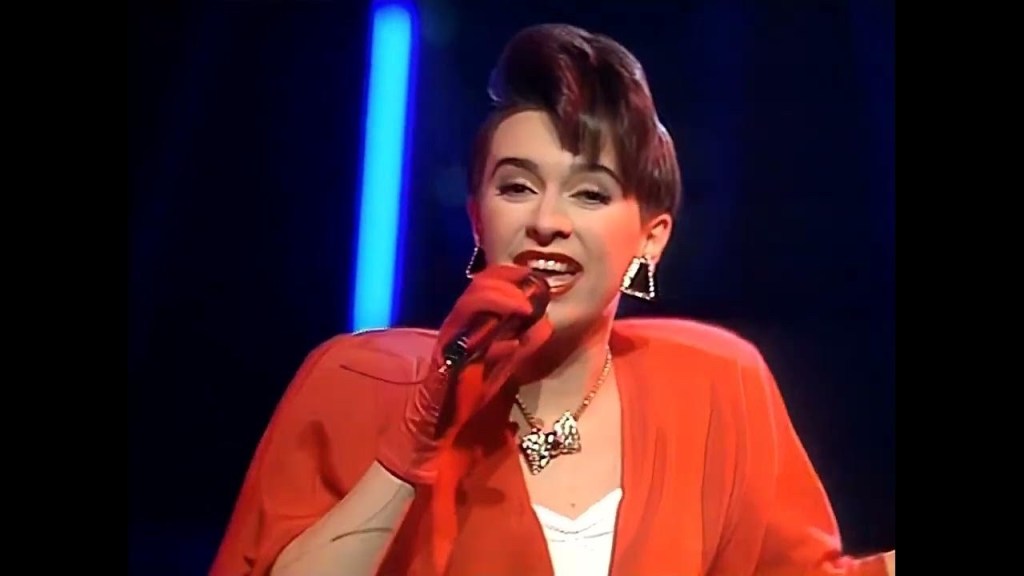
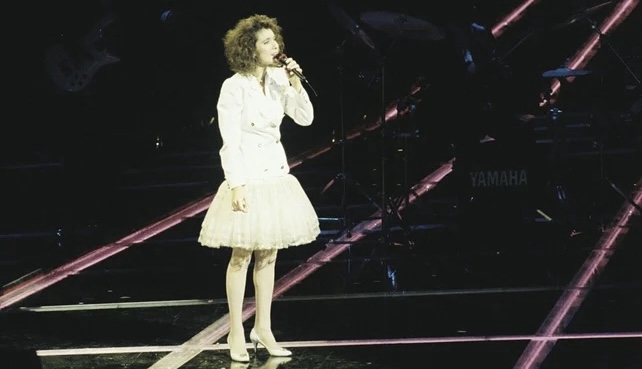
The winner was Switzerland with the song Ne partez pas sans moi, performed by Canadian singer Céline Dion and composed by Atilla Şereftuğ with lyrics in French by Nella Martinetti. Switzerland beat the United Kingdom by just one point in the last vote to win the title. The victory helped launch Dion’s international career, subsequently leading her to become one of the best-selling artists of all time.