Eurovision 2011

This week the 56th edition of the annual Eurovision Song Contest took place in Düsseldorf, Germany, following the country’s victory at the 2010 contest with the song Satellite by Lena. Organised by the European Broadcasting Union (EBU) and host broadcasters Arbeitsgemeinschaft Rundfunkanstalten Deutschland (ARD) and Norddeutscher Rundfunk (NDR), the contest was held at the Düsseldorf Arena and consisted of two semi-finals on 10 and 12 May, and a final on 14 May 2011. The three live shows were presented by German comedians Anke Engelke and Stefan Raab, and television presenter Judith Rakers.

Forty-three countries participated in the contest, equalling the record for the 2008 edition. Four countries returned to the contest this year; Austria returned after their last participation in 2007, Hungary returned after their last participation in 2009, San Marino returned after their very first participation in 2008. Italy also returned to the contest after their last participation fourteen years earlier, in 1997.

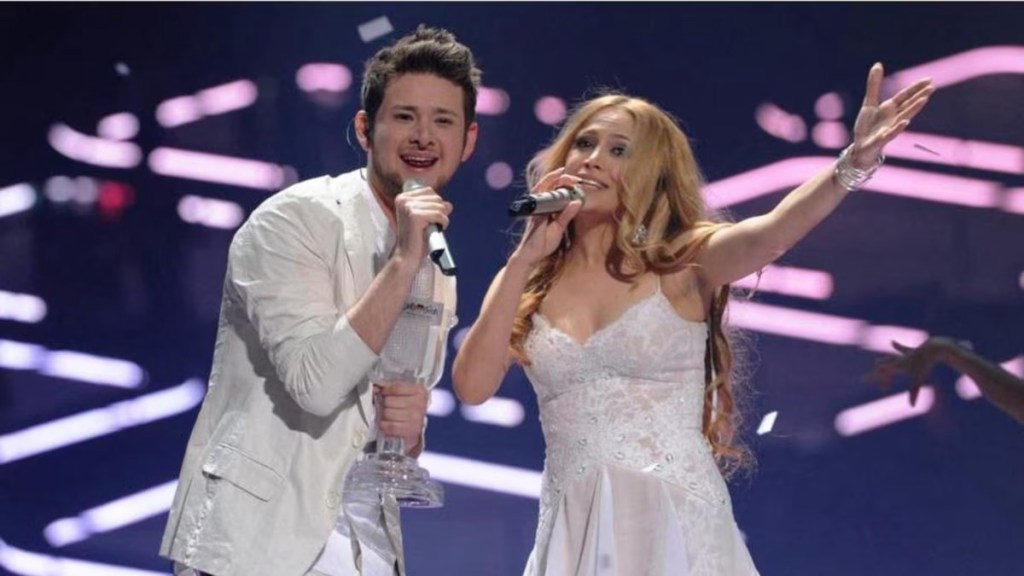
The winner was Azerbaijan with the song Running Scared, performed by Ell and Nikki and written by Stefan Örn, Sandra Bjurman and Iain James Farquharson. This was Azerbaijan’s first victory in the contest, after only 4 years of participation. It was also the first male-female duo to win the contest since 1963. Azerbaijan won the televote and combined vote, while Italy won the jury vote and came second overall. Sweden, Ukraine and Denmark rounded out the top five. Apart from Italy, the only other Big Five country to make the top 10 was host nation Germany, finishing tenth. The United Kingdom followed closely behind, finishing eleventh. This was the first time since the juries were reintroduced alongside the televoting in 2009 that the winner did not place first in the jury voting; Italy was the jury winner, while Azerbaijan was the televote winner. Georgia, finishing ninth, equalled their best result from 2010.

The broadcast of the final won the Rose d’Or award for Best Live Event.
Eurovision 2010

This week the 55th edition of the annual Eurovision Song Contest took place in Oslo, Norway, following the country’s victory at the 2009 contest with the song Fairytale by Alexander Rybak. Organised by the European Broadcasting Union (EBU) and host broadcaster Norsk rikskringkasting (NRK), the contest was held at the Telenor Arena, and consisted of two semi-finals on 25 and 27 May, and a final on 29 May 2010, tying with the 1999 edition for the contest hosted the latest. The three live shows were presented by Norwegian television presenters Erik Solbakken and Nadia Hasnaoui and singer Haddy N’jie.

Thirty-nine countries took part in the contest, with Georgia returning after its one-year absence. Meanwhile, Andorra, the Czech Republic, Hungary and Montenegro ceased their participation, mainly for reasons related to the 2007–2008 financial crisis. Lithuania originally announced its non-participation, but was later among the participants confirmed by the EBU.

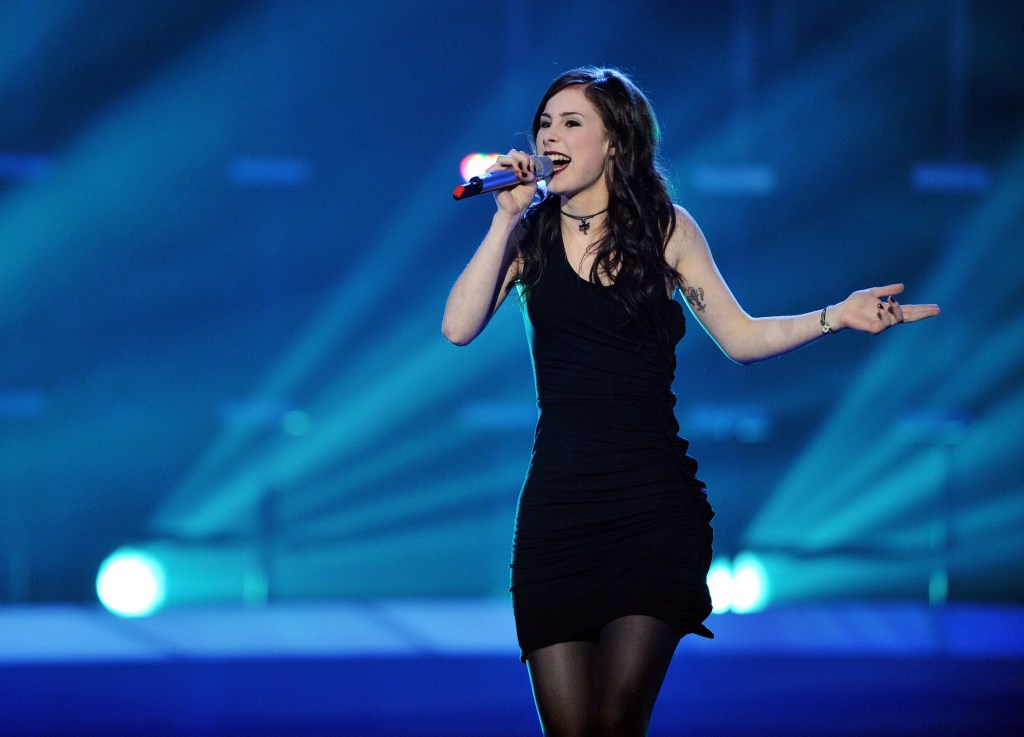
The winner was Germany with the song Satellite, performed by Lena and written by American Julie Frost and Denmark’s John Gordon. The song won both the jury vote and televote and was Germany’s second victory in the contest, following 1982. It was also its first win as a unified country. It was also the first win for one of the Big Four countries since the rule’s introduction in 2000. Turkey, Romania, Denmark and Azerbaijan rounded out the top five. Romania, finishing third, equalled their best result from 2005, while further down the table, Georgia achieved their best result to date, finishing ninth. For the first time since the introduction of semi-finals in 2004, Sweden failed to qualify for the final. The last time Sweden was absent from a Eurovision final was in 1976.

The global financial crisis at the time affected how the event was run; the host broadcaster NRK was forced to sell its broadcast rights for the 2010 FIFA World Cup to TV 2 and Viasat in order to finance the event.

Prior to the contest, the EBU announced that the voting system used in the semi-finals would change from previous years to balance jury voting with televoting. A return of accompaniment by orchestra was also proposed, but ultimately did not occur.