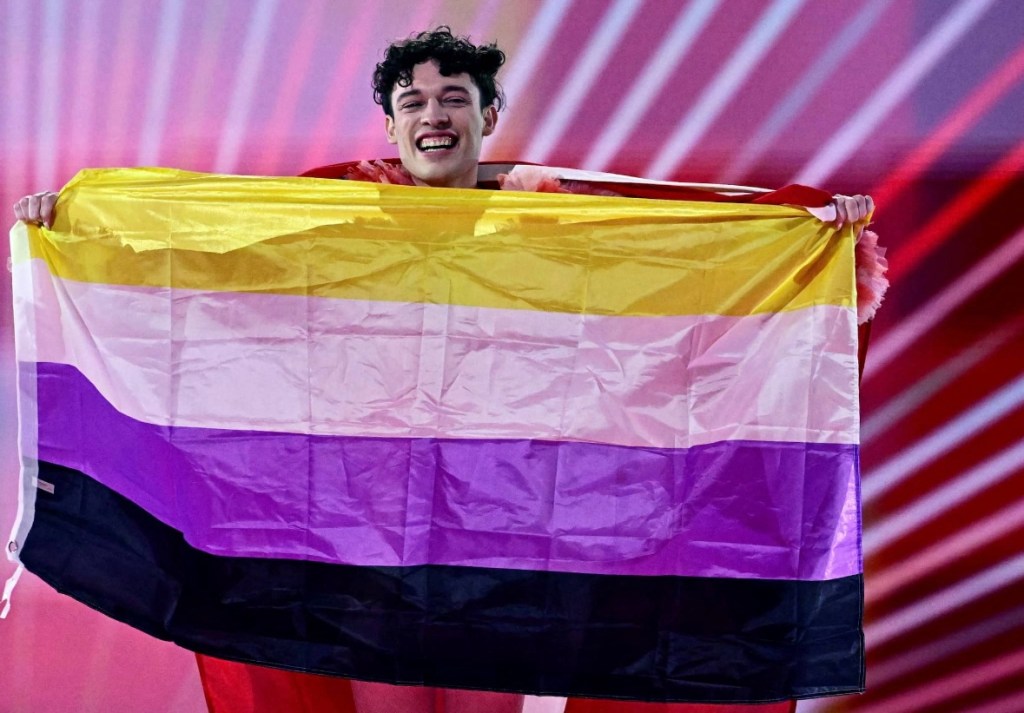
Pride

AVROTROS objects to the decision of the European Broadcasting Union (EBU) to ban pride flags at the Eurovision Song Contest. According to the broadcaster, the flag is not a political statement.

The broadcaster made the decision after consultation with the interest group COC. Both parties believe that the ban on the rainbow flag sends the wrong message. “Especially in these times, when the human rights of the LGBTQIA+ community are under pressure, it is not a good signal to ban these flags at the Song Contest,” says the COC, which describes the conversation with AVROTROS as “pleasant and constructive”.

The EBU previously determined that participants may only display flags of the country they represent in official places, such as the stage and the Green Room. AVROTROS wants pride flags to fall outside this policy. “We would like to see if we can get something moving. We hope that the EBU is open to that.”

AVROTROS had previously supported the general flag ban, but emphasized that the change of course was not a result of the conversation with the COC. “We previously indicated that we regretted that flags were banned from the rainbow community.” Source: nu.nl.
No Pride

Artists participating in this year’s Eurovision Song Contest in Basel are not allowed to wave a rainbow or other pride flag on stage or in the Green Room. Only national flags are allowed.

The Eurovision Song Contest organiser European Broadcasting Union (EBU) confirmed the news after reports from Danish broadcaster DR.

If participating artists break the rules, there may be consequences. It is not clear what kind of sanctions will apply.

A more liberal flag policy applies outside the stage. All flags that are permitted under Swiss law may be used. This will soon also apply to the audience; fans will therefore be allowed to bring a pride flag.

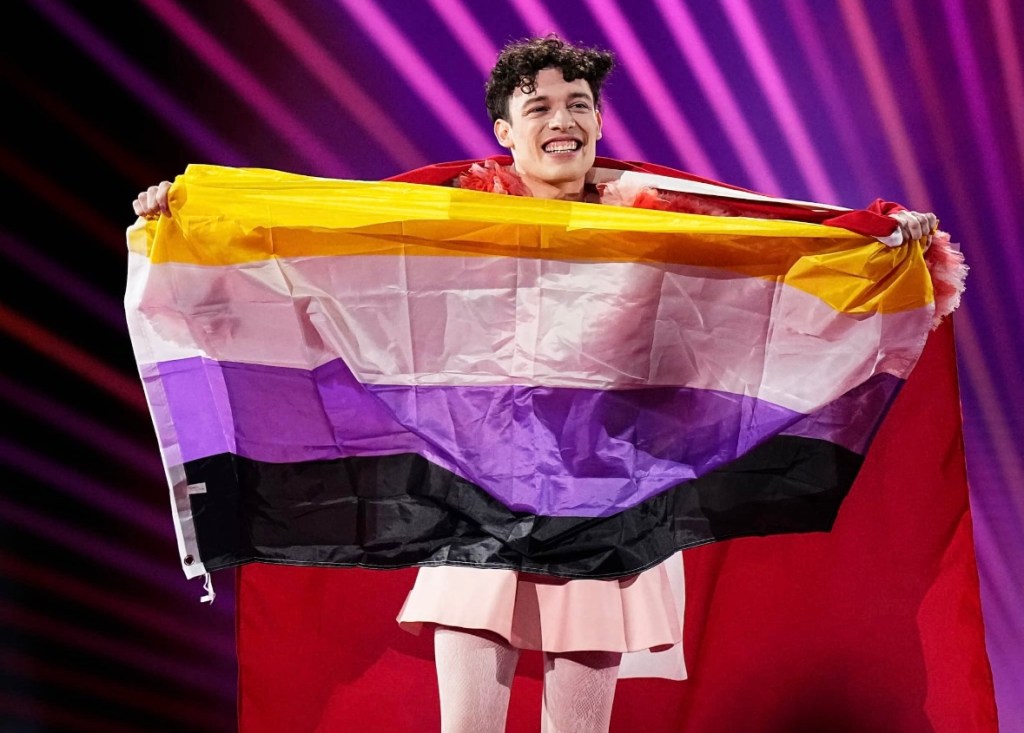
Last year, there were many complaints about the flag policy in Malmö. Some fans had to hand in unusual flags, such as the rainbow flag or the European flag, at the door. Swiss winner Nemo was not allowed to bring the non-binary flag on stage. The artist later said that he had “smuggled the flag in”.

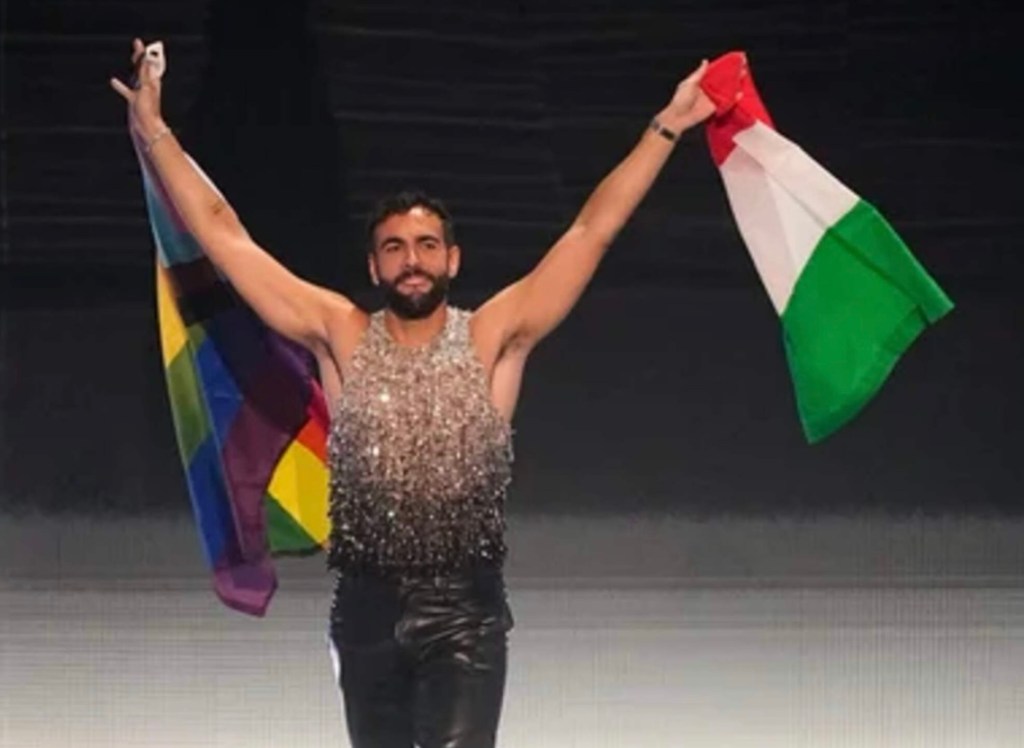
In previous years, many artists also carried a pride flag alongside their national flag. This also applies to S10, at the start of the Eurovision Song Contest final in Turin in 2022. Source: nu.nl.

EBU Admits Mistake

The Eurovision Song Contest organization acknowledges that the flag policy at the door of the Malmö Arena was not working well this year, with people wrongly having to hand in their rainbow or other pride flags.

“Pride flags were not banned and were welcome alongside the flags of the participating countries,” the European Broadcasting Union (EBU) assured on Instagram.

“However, sometimes things do not go as planned during complex live events and we recognize that we could have done better. We regret that people were wrongly forced to hand in their flag or felt that this prevented them from being their authentic selves.”

The organization felt compelled to write something about its flag policy after a post appeared on Instagram earlier in the day to mark the start of Pride Month. Many followers called the post “hypocritical”, as Swiss winner Nemo claimed that they were not allowed to take the non-binary flag on stage. The artist had to “smuggle it in”.

The EBU emphasizes that it is “incredibly proud” of Nemo and all non-binary, trans and queer fans. “We are grateful to them for bringing this to our attention,” the EBU statement reads.

The European flag was also not allowed inside the music event. European Commissioner Margaritis Schinas subsequently asked the EBU for clarification. The broadcasting association then gave the “sensitive global political context” as an explanation. “It was never our intention to discredit the EU flag itself,” the EBU said. Source: nu.nl