No(r)Way

Norway, like the Netherlands, is waiting for the time being to confirm its participation in the next Eurovision Song Contest. Stig Karlsen, head of the Norwegian delegation, first wants to hear what improvements the organiser of the Song Contest wants to implement.

Karlsen told the newspaper Aftenposten that Norway intends to participate again in 2025, but that changes are needed. “We have not yet confirmed our participation,” he said. According to the Norwegians, the outcome of the ongoing investigation into the last edition of the Song Contest is important. “We cannot go into another year with so many conflicts and protests,” Karlsen said.

The Norwegian broadcaster NRK has asked the organiser of the Song Contest, the European Broadcasting Union (EBU), to consider the participation of countries that are in the middle of an armed conflict, such as Israel. “Perhaps such countries that cause noise should temporarily step aside,” Karlsen suggested.

On Thursday, AVROTROS and the NPO announced that the Netherlands will only participate next year if the EBU implements or promises a number of changes. Earlier this week, the European broadcasting association announced an independent investigation into various complaints about an unsafe atmosphere during the event in Malmö.

The last edition of the Eurovision Song Contest in Malmö, Sweden, was an eventful one. For example, some people did not agree that Israel was allowed to participate despite the war in Gaza, which led to demonstrations in Malmö.

Some delegations did not always feel safe or noticed a tense atmosphere. Several countries filed complaints with the EBU and artists, including the Norwegian band Gate, also considered withdrawing.

Unpleasantness

What should have been a fun musical party turned out to be a debacle for the Netherlands. Today it turned out that the Netherlands had already reported an unsafe atmosphere before the disqualification. Ireland, Lithuania and Norway also spoke out critically.

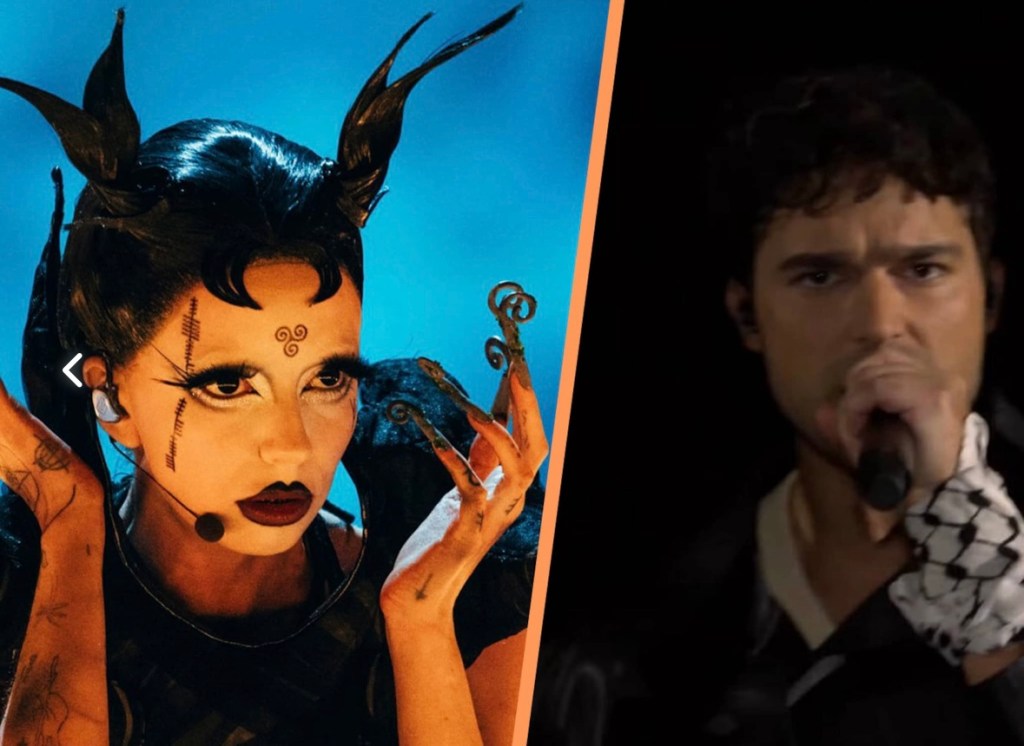
“Fuck the EBU!” These are not just the words of Eurovision commentator Cornald Maas after Joost Klein’s disqualification, they are also the words used by Irish artist Bambie Thug after the final of the Eurovision Song Contest. They both addressed the organizer of the festival, the European Broadcasting Union (EBU).

After the final, the Lithuanian entry wrote on social media that it would have been better if the entire party had been stopped after the first semi-final and now the Norwegian band Gate is also speaking out critically. “Withdrawing was an option until the last minute. We ultimately had constructive discussions with the EBU and that was just good enough for us to continue.”

Switzerland, the United Kingdom, Ireland and Portugal are all said to have threatened to withdraw due to the atmosphere behind the scenes, which was described as tense by several participants. On Tuesday it emerged that the Netherlands and Norway were also among the countries that reported the working atmosphere.

When asked, AVROTROS informed nu.nl that it had made an official report of the unsafe atmosphere behind the scenes. They already did that on Friday, when Joost Klein had not yet been disqualified.

The disqualification of Joost Klein may feel like the moment that everything went wrong for the Dutch, but there was already a lot of pressure on the event in the run-up to the Eurovision Song Contest. Israel’s participation made it perhaps the most politically charged edition in the 68 years that the festival has been held.

From the very first Eurovision events, participants were asked for their opinion on Israel’s entry, which sometimes led to emotional moments. After the final, Bambie Thug was crying to journalists because they had experienced so much pressure to ignore political opinions that it no longer felt sincere.

Bambie Thug is also the artist who was commissioned by the organization to remove the word ‘ceasefire’ in old Irish script from their face. The watermelon, painted on the chest of Australia’s entry was overlooked by the organization: the fruit is also seen as a statement of support for the Palestinians. Former participant Eric Saade received an angry response from the EBU after he wore a kaffiya during a performance. The scarf also symbolizes a signal of commitment to Palestine.

Things also went wrong in the commentators’ booths. For example, the Israeli colleague of Cornald Maas and Jacqueline Govaert announced the Irish entry as “the artist who speaks negatively about Israel”. The Irish delegation then filed a complaint with the EBU and the commentator was reprimanded.

The performance of Portuguese singer Iolanda during the final never appeared on social media because she had, among other things, the Palestinian flag painted on her nails. Such a political statement is prohibited according to the rules of the Eurovision Song Contest and therefore the artist could have been disqualified. It is unclear why this did not happen.

The Portuguese broadcaster RTP has not only been critical of the exclusion of Iolanda’s performance on social media, they also find it unacceptable that the EBU used an “anti-booing system” during the semi-final and final. As a result, the booing of the EBU and Israel’s entry was less received by the viewers at home than in the audience.

“For an organization like the EBU and for an organization like RTP and the European public media service, the fight against fake news, misinformation and the manipulation of information is a constant battle. It is unacceptable that this is possible. This method distorts the truth.”

AVROTROS is also critical: “We believe that when a musician performs you should always show what it does to the audience.”

As always, the European Broadcasting Union is difficult to reach, but responded to the angry reactions in an official statement. The organization places the blame mainly on the participating countries themselves.

“We find it very unfortunate that some delegations did not adhere to the rules during the event and during broadcasts. We have spoken to several delegations about incidents that have come to our attention. The EBU continues to engage with the chairmen of delegations and will do an evaluation of this Eurovision Song Contest.”

“In this way we hope to be able to move forward in a positive way, in a way where everyone respects the values of this event. Individual problems will be discussed in a subsequent meeting.” Source: nu.nl

Eurovision 2010

This week the 55th edition of the annual Eurovision Song Contest took place in Oslo, Norway, following the country’s victory at the 2009 contest with the song Fairytale by Alexander Rybak. Organised by the European Broadcasting Union (EBU) and host broadcaster Norsk rikskringkasting (NRK), the contest was held at the Telenor Arena, and consisted of two semi-finals on 25 and 27 May, and a final on 29 May 2010, tying with the 1999 edition for the contest hosted the latest. The three live shows were presented by Norwegian television presenters Erik Solbakken and Nadia Hasnaoui and singer Haddy N’jie.

Thirty-nine countries took part in the contest, with Georgia returning after its one-year absence. Meanwhile, Andorra, the Czech Republic, Hungary and Montenegro ceased their participation, mainly for reasons related to the 2007–2008 financial crisis. Lithuania originally announced its non-participation, but was later among the participants confirmed by the EBU.

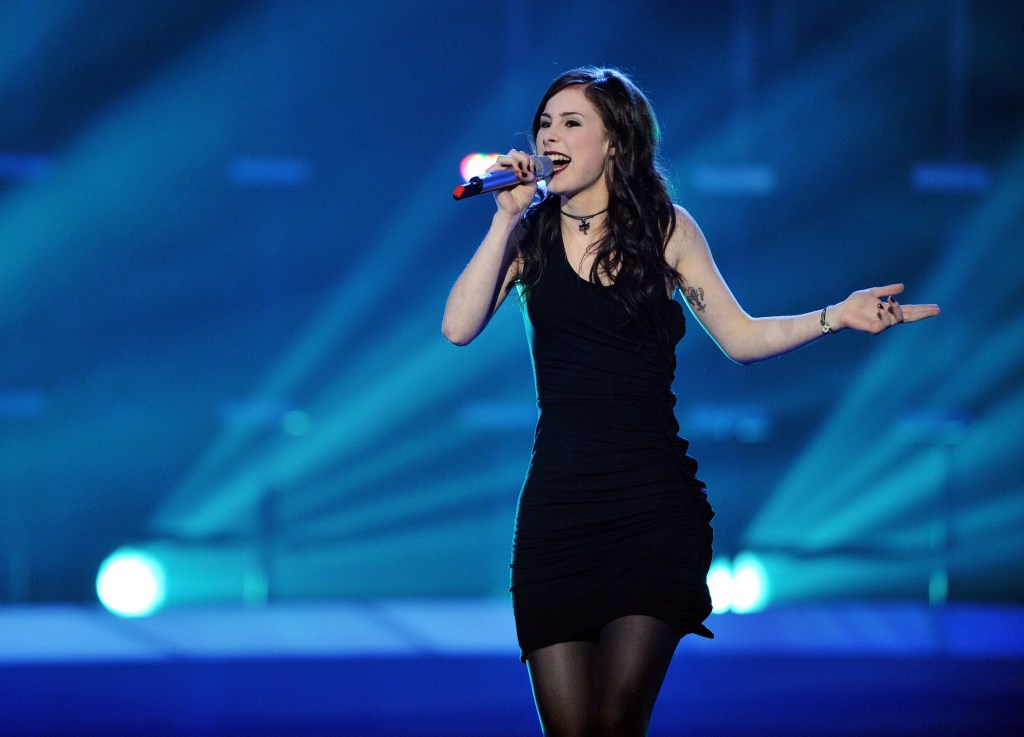
The winner was Germany with the song Satellite, performed by Lena and written by American Julie Frost and Denmark’s John Gordon. The song won both the jury vote and televote and was Germany’s second victory in the contest, following 1982. It was also its first win as a unified country. It was also the first win for one of the Big Four countries since the rule’s introduction in 2000. Turkey, Romania, Denmark and Azerbaijan rounded out the top five. Romania, finishing third, equalled their best result from 2005, while further down the table, Georgia achieved their best result to date, finishing ninth. For the first time since the introduction of semi-finals in 2004, Sweden failed to qualify for the final. The last time Sweden was absent from a Eurovision final was in 1976.

The global financial crisis at the time affected how the event was run; the host broadcaster NRK was forced to sell its broadcast rights for the 2010 FIFA World Cup to TV 2 and Viasat in order to finance the event.

Prior to the contest, the EBU announced that the voting system used in the semi-finals would change from previous years to balance jury voting with televoting. A return of accompaniment by orchestra was also proposed, but ultimately did not occur.

In A Moment ..

Vanavond is de tweede halve finale van het Concours Eurovision de la Chanson 2010. Vanavond mag Sieneke als negende act bewijzen wat ze waard is en weten we aan het eind van de avond of ‘we’ zaterdag nogmaals mogen aantreden. Aan haar choreografie (zwaaien met de linkerarm in de lucht) en de mimespelers als draaiorgelornamenten zal het vast niet liggen..

Mijn top 10 voor vanavond zijn de onderstaande landen. Met pijn in mijn oranje hart heb ik Nederland er niet tussen staan. Je mag tenslotte niet op je eigen land stemmen. Nu maar eens kijken of ik net als afgelopen dinsdag weer minimaal 7 juiste landen correct heb voorspeld. Mijn keuze is dus de onderstaande, waarvan ik het ABBA-achtige nummer van Denemarken het beste vind.

Armenië
Azerbeidzjan
Bulgarije
Cyprus
Denemarken
Israël
Kroatië
Litouwen
Roemenie
Turkije

Ice Ice Baby

Eindelijk is vanavond dan de eerste halve finale van het Concours Eurovision de la Chanson 2010! Al weken leef ik naar deze Eurovisie-week toe. Vanavond en overmorgen zijn de halve finales en er wordt dan per halve finale bekend gemaakt welk land doorgaat naar de finale aanstaande zaterdag.

Mijn top 10 voor vanavond zijn de onderstaande landen. Eens kijken of ik net als vorig jaar weer een vooruitziende horende klank in de oren heb. Mijn landen zijn dus de onderstaande, waarvan ik denk (dankzij voodoo & hoodoo met collegae) dat IJsland een grote kans heeft om aanstaande zaterdag ook hoog (1e plaats?) te scoren.

Albanië
België
Finland
Griekenland
IJsland
Letland
Macedonië
Moldavië
Rusland
Wit-Rusland

Allez, Ola, Ole

Wanneer ik anderen in mijn omgeving opdring met deel in mijn enthousiasme voor het Eurovisie Songfestival zijn de meesten aangenaam verrast door de inzending van Frankrijk. Het is een zomers zouk-achtige nummer, waar je met moeite stil bij kan blijven zitten. Of het nummer zal winnen weet ik niet, want ik weet niet hoe de mensen in het Oostblok reageren op vrolijke Kaoma-muziek. Zet de volume van je computer lekker hoog en speel onderstaand youtubefilmpje af. Schudden! Schudden!

De Russen!

Velen in mijn omgeving zijn het helemaal niet met mij eens, maar ik vind de inzending van Rusland voor het Eurovisie Song Festival juist heerlijk (vaak afgespeeld in iTunes). Een heerlijk relaxt voortkabbelend liedje met een lieve tekst en ook heel relaxt uitgevoerd. Hoe de andere landen eind deze maand zullen stemmen weet ik (nu nog) niet, maar van mij het onderstaand lied door naar de finale op 29 mei.

In onderstaande clip zie je heel even de winnaars van vorig jaar (Alexander Rybak) en het jaar er voor (Dima Bilan). Beneden het onderstaand filmpje vind je de lyrics van ‘Lost & Forgotten’. Zing maar mee..

Would you believe, Lord of Mercy?
Would you be so good, Lord?
I wanna love her now
And I wanna feel that now with all…
All of those kisses and sweet embraces

Here am I, lost and forgotten
For this cruel, cruel time
When I’m first time in love
Now that is why
Now that is why I sing, Lord of Mercy
And I hope now that you hear me

What are you doing man?
I’m looking at her photos
What should I do with them?
Drop them to the fire
Oh, yes, yes, I’m gonna burn them now
‘Cause I have to forget her now with all…
All of those kisses and sweet embraces

Here am I, lost and forgotten
For this cruel, cruel time
When I’m first time in love
Now that is why
Now that is why I sing, Lord of Mercy
And I hope now that you hear me

Here am I, lost and forgotten
For this cruel, cruel time
First time in love
Now that is why
Now that is why I sing, Lord of Mercy
And I hope now that you hear me
Oh, bring her back to me

Wat Let(je)land

Afgelopen zaterdag bracht de postbode mij de dubbel-cd met alle songs voor het komende Eurovisie Songfestival. Zo kan ik over een paar weken -bijna- alle nummers tijdens de uitzendingen op tv meezingen. Het lied van Letland vind ik een catchy/gospelachtige meezinger. Op de dubbel-cd klinkt zangeres Aisha best okay, maar via youtube.com kwam ik er achter dat Aisha best nog even mag oefenen wil ze over twee weken op 25 mei het nummer live mooi goed zingen.

Madness

Onder het mom van ‘veel jolijt en ongein is nog altijd beter dan kwaliteit’ stuurt het land Litouwen dit jaar de groep Inculto met ‘Eastern European Funk’ naar het Eurovisie Songfestival. Een vijftal ‘oudere’ jongens die met hun buurthuis-act nog niet eens zouden mogen doorschieten naar een volgende ronde van een gemiddeld Idols- cq X-Factorshow laten dit jaar voor hun land de kunstjes op het podium zien.

Als het nummer dit jaar hoog eindigt komt het zeker niet door de zangkunsten. Ook niet door de danspasjes. Maar wellicht komen de punten van de buurlanden voor de Bucks Fizz-achtige cq Full Monthy act op 2 minuut 12 seconde?

Sailing Home

Vorig jaar won Noorwegen het Eurovisie Songfestival en het winnend land van 2009 heeft dit jaar wederom een prettig ogend menneke uitgezonden voor het Eurovisie Songfestival van 2010. Didrik Solli-Tangen. Deze zanger staat met een paar violisten (waar heb ik dat eerder gezien?) op het podium een Volendams Veermanachtig lied te zingen.

Het lied doet mij een beetje denken aan een nummer dat vorig jaar op de uitvaartdienst van mijn vader werd gedraaid. Hierdoor wordt het lied iets persoonlijker. Voor mij is het -mede dankzij de tekst- een mooi nummer over voor mijn vader geworden. Persoonlijk denk ik dat de rest van Europa het ook wel de top 10 in stemt..

Sounds Greek 2 Me

Sinds vorige week heb ik besloten om iedere dinsdag hier op dit ‘draystation’ een inzending voor het Eurovisie Songfestival 2010 te plaatsen. Vorige week was dat mijn favoriet (tot nu toe); België. Vandaag de inzending van Griekenland.

Dit land stuurt Giorgos Alkaios & Friends naar Oslo met het nummer ‘OPA!’. Het lied is er één van dertien in een dozijn. Veel dansers, kreten (opa!), een viool-riedeltje (winnaar vorig jaar) en af en toe lijkt het alsof het mobieltje van een van de dansers afgaat.

Ik denk wel dat Griekenland in de top 5 komt. Natuurlijk winnen ze niet, want de financiële situatie misère van Griekenland laat geen organisatie voor het songfestival 2011 toe. En als ik heel eerlijk ben zorgt het lied ‘Opa!’ er zelf wel voor dat het net geen overwinning wordt.

Ik Ben Verliefd

Ik word een beetje heel erg moe van iedereens mening over het ingezonden lied voor het Eurovisie Songfestival 2010 in Oslo, Noorwegen. Vooral moe over alle negatieve meningen (Tatjana, in de jury plaatsnemen -vast niet voor niets- en vervolgens daags er na met modder smijten. Shame on you!).

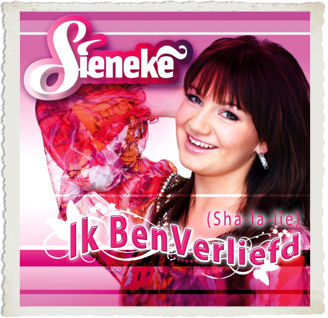
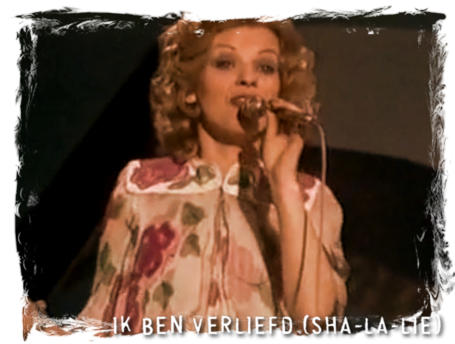
Iedereen is het er wel over eens dat ‘Ik Ben Verliefd’ (Sha la lie) een ouderwets en vooral oubollig lied is. Daarom ben ik zo blij met de winnende uitvoering: een draaiorgel en een jaren vijftig riedeltje. Niet te pretentieus, maar gewoon een liedje met een pakkende melodie. Dat laatste vind ik dan toch iets minder, want ik krijg het shalalie sinds afgelopen weekend niet meer uit mijn kop (en sta ik er morgen weer mee op?) ..

Eén voordeel van al deze Nationaal Songfestival-perikelen is wel dat Patricia Paay niet meer dagelijks met non-nieuws in het nieuws komt.

sieneke

Ik ben vergeten waar ik dit liedje heb gehoord, in de zomerzon
Ik geloof dat het toen daar met jou op het strand was in Lissabon
Of was het daar toen in Parijs
Achter een coupe vers mokkaijs?
Het kan ook zijn dat het was met zijn tweeën overzee in die luchtballon

Shalalie shalala, shalalie shalala
Het gaat niet uit m’n kop
Shalalie shalala, shalalie shalala
Ik sta d’r ‘s morgens mee op
Ik ben verliefd op jou
Daardoor vergeet ik alles gauw en weet ik het niet meer
Shalalie shalala, shalalie shalala Zo gaat het ongeveer

Ik ben verliefd, ik ben verliefd
Ik ben verliefd, dat kun je zo zien

Het kan ook zijn dat ik hoog in de lucht in een vliegtuig naar Oslo
Of klonk het uit een café in zo’n straatje – ik was ooit in Trinidad
Of was het met een goed glas wijn
Op dat terrasje in Berlijn?
Of was het in Moskou waar ik mijn eerste kus heb gehad van jou?

Hoe kan ik dat, hoe kan ik dat…
Hoe kan ik dat nou vergeten?

Shalalie shalala, shalalie shalala
Het gaat niet uit m’n kop
Shalalie shalala, shalalie shalala
Ik sta d’r ‘s morgens mee op
Ik ben verliefd op jou
Daardoor vergeet ik alles gauw en weet ik het niet meer
Shalalie shalala, shalalie shalala
Zo gaat het ongeveer.

History Repeatin’?

‘Ik ben verliefd (Sha-la-lie)’ heet het liedje waar we volgend jaar veel punten mee hopen te gooien op het Eurovisie Songfestival in Oslo. Dat werd vrijdag duidelijk in het TROS-programma Gouden Uren (Radio 2). Op uitnodiging van de TROS, die komend jaar in Nederland het Songfestival organiseert, heeft Pierre Kartner (aka Vader Abraham) het lied geschreven. De schrijver en componist bracht het nummer vrijdag in de radioshow zelf ten gehore. Wie de inhaker in Oslo gaatvertolken is echter nog niet bekend. Dat wordt duidelijk na het Nationaal Songfestival, dat op zondag 7 februari plaatsvindt.

Zenden we na 34 jaar dan eindelijk eens een winnend nummer in..?

Teach-In 75

Eurovision 2009

This week the 54th edition of the annual Eurovision Song Contest took place in Moscow, Russia, following the country’s victory at the 2008 contest with the song Believe by Dima Bilan. Organised by the European Broadcasting Union (EBU) and host broadcaster Channel One (C1R), the contest was held at the Olimpiysky Arena, and consisted of two semi-finals on 12 and 14 May, and a final on 16 May 2009. The semi-finals were presented by Russian model Natalia Vodianova and television presenter Andrey Malakhov, while the final was presented by Russian television presenter Ivan Urgant and former Russian contestant Alsou Abramova, becoming the first and to date only time that two different sets of presenters had hosted the semi-finals and finals.

Forty-two countries participated in the contest, down one from the record forty-three the year before. Slovakia returned to the contest for the first time since 1998, while San Marino did not enter due to financial issues. Latvia and Georgia originally announced their intention not to participate, but it was later stated by the EBU that both countries would participate. However, Georgia later decided to withdraw after the EBU rejected its selected song as being a breach of the contest’s rules.

Thirty-seven countries participated in one of the two semi-finals of the contest, with the Big Four countries (France, Germany, Spainand the United Kingdom) and the host (Russia) pre-qualified for the final. In addition to those pre-qualified, the final also included the ten selected countries from each semi-final, making a total of twenty-five participants.

A discussion on changes to the format of the 2009 Eurovision Song Contest had taken place at an EBU meeting in Athens, Greece in June 2008 where a proposal was made that could have resulted in the Big Four losing their automatic place in the final of the contest. However, it was confirmed that the Big Four countries would continue to automatically qualify for the final at the 2009 contest.

Host broadcaster Channel One presented the sub-logo and theme for the 2009 contest on 30 January 2009. The sub-logo is based upon a Fantasy Bird, which can be used with many colours. As in previous years, the sub-logo was presented alongside the generic logo. 2009 is the only year since 2002 without a slogan.

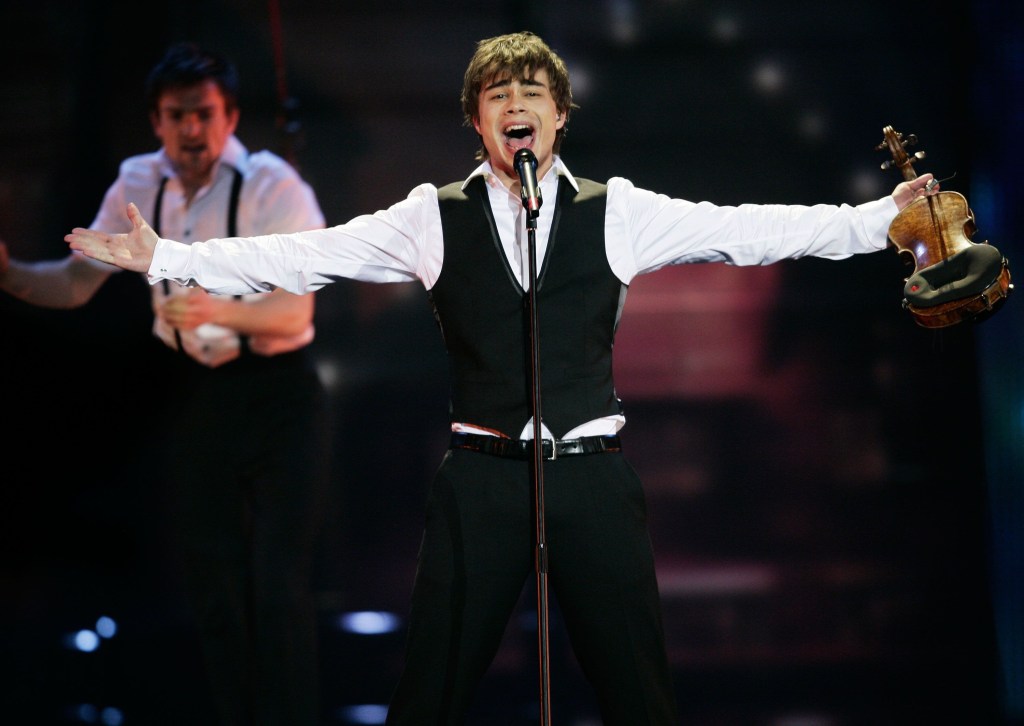
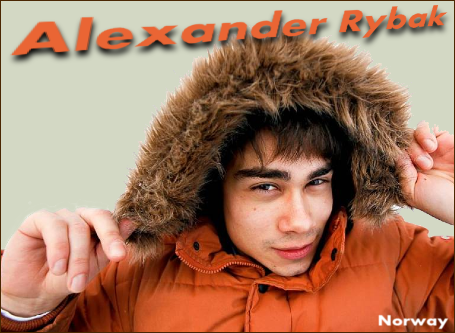
The winner was Norway with the song Fairytale, performed and written by Alexander Rybak. The song won both the jury vote and televote and received 387 points out of a possible 492, at the time the highest total score in the history of the contest. Iceland, Azerbaijan, Turkey and the United Kingdom rounded out the top five, with the latter achieving its best placing since 2002. Iceland’s second-place finish was the country’s best placing in a decade.

After criticism of the voting system in 2007, changes in the voting procedure were finally made prior to this contest, with the re-introduction of a national jury alongside televoting for the final, while the format of the semi-finals remained the same.

€-Visie

ESC LOGO

Waar ik vroeger met een pen plus schrijfblokje voor de buis zat te schrijven en de liedjes van het Eurovisie Songfestival voor het eerst hoorde en zag, kan ik vandaag de dag ruim van te voren weten wie er voor welk land mag optreden. Toen ik nog een mini-dray was beoordeelde/veroordeelde ik de deelnemers op wat ik toen pas op de buis kreeg voorgeschoteld.

Sinds een week heb ik de dubbel CD van alle liedjes 2009 in huis en kan zo langzaamaan wennen aan de 42 (!) deelnemers. Er zitten afschuwelijke dingen tussen, maar ook liedjes waarvan ik denk: ‘Hmm, zo slecht nog niet.’ Zo vind ik het nummer ‘I Dont Wanna Leave‘ van Polen een mooie ballad, maar toen ik de uitvoering op YouTube zag, was ik toch minder enthousiast. Het gaat tegenwoordig tenslotte ook om de act.

In de linkerkolom staat sinds vandaag een Google-overzicht. Hierop staan de landen in volgorde van populariteit. Echter niet om het liedje of act, maar om het aantal zoekopdrachten in Google. Bij de bookmakers zal er zeker een andere volgorde te zien zijn. Ik ben overigens benieuwd hoe ‘onze’ Toppers het volgende week zullen doen. Nu ze van die kitscherig lamp-kostuums hebben aangeschaft, maken ze wellicht meer kans dan voorheen. Ze staan vandaag net niet in de top 10 van de minst succesvolle deelnemers bij de bookmakers..

Alexander Rybak

Eurovision 1996

The Eurovision Song Contest 1996 was the 41st edition of the Eurovision Song Contest, held on 18 May 1996 at the Oslo Spektrum in Oslo, Norway. Organised by the European Broadcasting Union (EBU) and host broadcaster Norsk rikskringkasting (NRK) and presented by Ingvild Bryn and Morten Harket, the contest was held in Norway following the country’s victory at the 1995 contest with the song Nocturne by Secret Garden.

Thirty countries submitted entries to the contest, with a non-public, audio-only qualifying round held two months before the final to reduce the number of participants from 30 to 23. The entries from Denmark, Germany, Hungary, Israel, Macedonia, Romania, and Russia were subsequently eliminated, which resulted in Germany being absent from the contest for the first time.

The winner was Ireland with the song The Voice, written by Brendan Graham and performed by Eimear Quinn. This gave the nation a record-extending seventh contest win, their fourth win in five years, with Graham also recording his second win as a songwriter in three years after having written the winning song at the 1994 contest. Norway, Sweden, Croatia, and Estonia took the remaining places in the top five, with Croatia, Estonia, and Portugal, which placed sixth, achieving their best results to date. This was the final contest where the results were determined solely by jury voting, with a trial use of televoting in the following year’s event leading to widespread adoption from 1998 onwards.

Eurovision 1995

Tonight the 40th edition of the annual Eurovision Song Contest was the 40th edition of the Eurovision Song Contest, held on 13 May 1995 at the Point Theatre in Dublin, Ireland. Organised by the European Broadcasting Union (EBU) and host broadcaster Radio Telefís Éireann (RTÉ), and presented by Mary Kennedy, the contest was held in Ireland following the country’s victory at the 1994 contest with the song Rock ‘n’ Roll Kids by Paul Harrington and Charlie McGettigan. It was the third consecutive contest to be held in Ireland – the first and only time in the history of the event that a country has hosted three editions in a row – and the second consecutive edition to be held in the Point Theatre in Dublin.

Twenty-three countries participated in the contest; Estonia, Finland, Lithuania, the Netherlands, Romania, Slovakia, and Switzerland were relegated as the lowest-scoring countries in the previous edition, getting replaced by Belgium, Denmark, Israel, Slovenia, and Turkey, returning after being relegated following the 1993 edition.

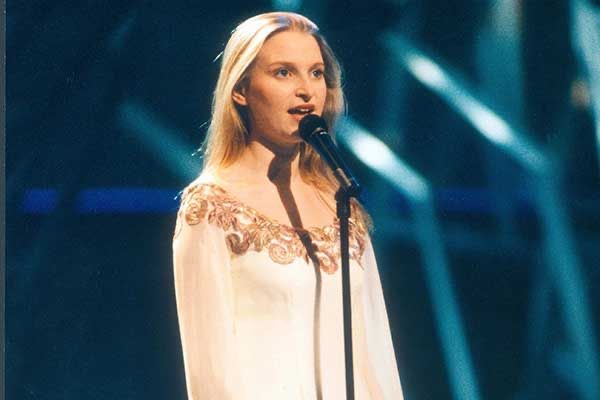
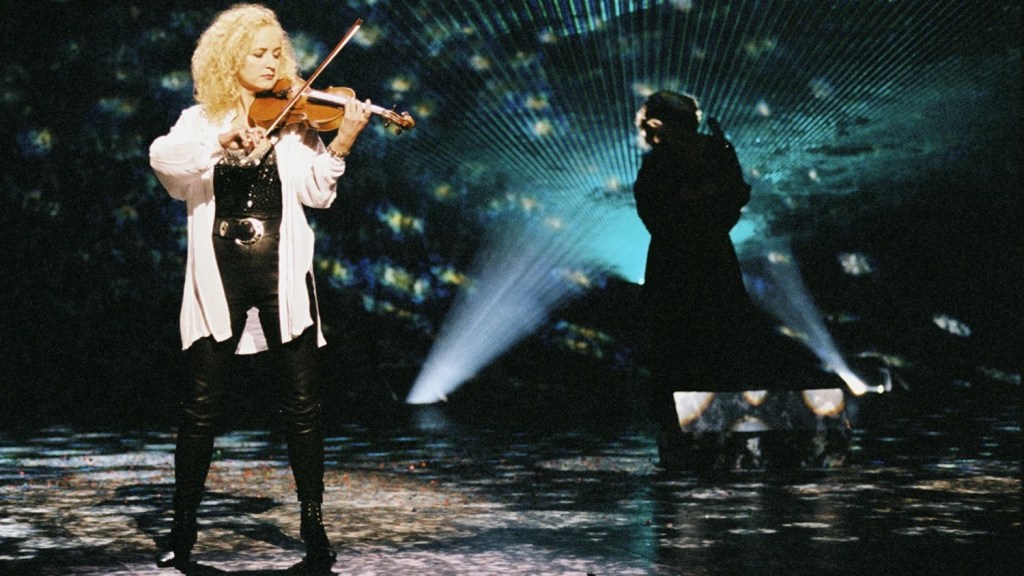
The winner was Norway with the song Nocturne, composed by Rolf Løvland, written by Petter Skavlan and performed by Secret Garden. Spain, Sweden, France, and Denmark rounded out the top five, with Spain achieving their best result since 1979. Croatia and Slovenia also achieved their best results so far, placing sixth and seventh respectively, while Germany finished in last place for the fourth time.

Eurovision 1986

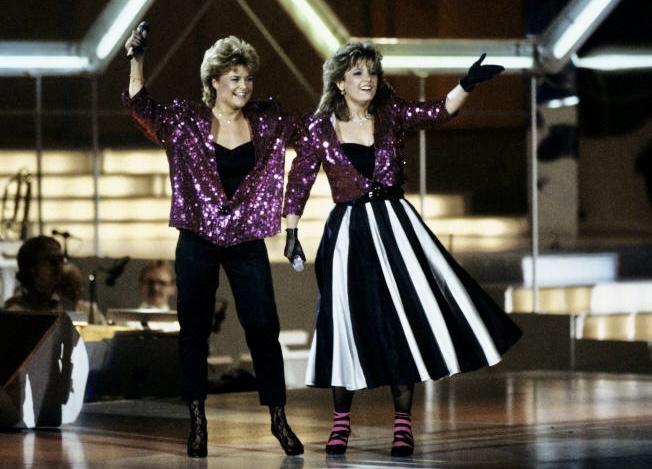
Tonight the 31st edition of the annual Eurovision Song Contest 1986 was held in Bergen, Norway, following the country’s victory at the 1985 contest with the song “La det swinge” by Bobbysocks! Organised by the European Broadcasting Union (EBU) and host broadcaster Norsk rikskringkasting (NRK), the contest was held at Grieghallen and was hosted by previous Norwegian contestant Åse Kleveland.

Twenty countries took part in this year’s contest with Greece and Italy deciding not to participate and Yugoslavia and Netherlands returning. Iceland also competed for the first time this year.

Iceland competed for the first time, as the national broadcaster RÚV had finally cemented their satellite television connections with the rest of Europe.

Greece withdrew, as the contest coincided with Holy Saturday on the Eastern Orthodox Church liturgical calendar. Their entry would have been “Wagon-lit” (Βάγκον λι), performed by Polina, who was backing vocalist of Elpida at the 1979 contest (Elpida represented Cyprus this year). Prior to their withdrawal, they were set to be 18th in the running order between Sweden and Denmark. Italian broadcaster RAI, on the other hand, decided not to send any delegation to Bergen.

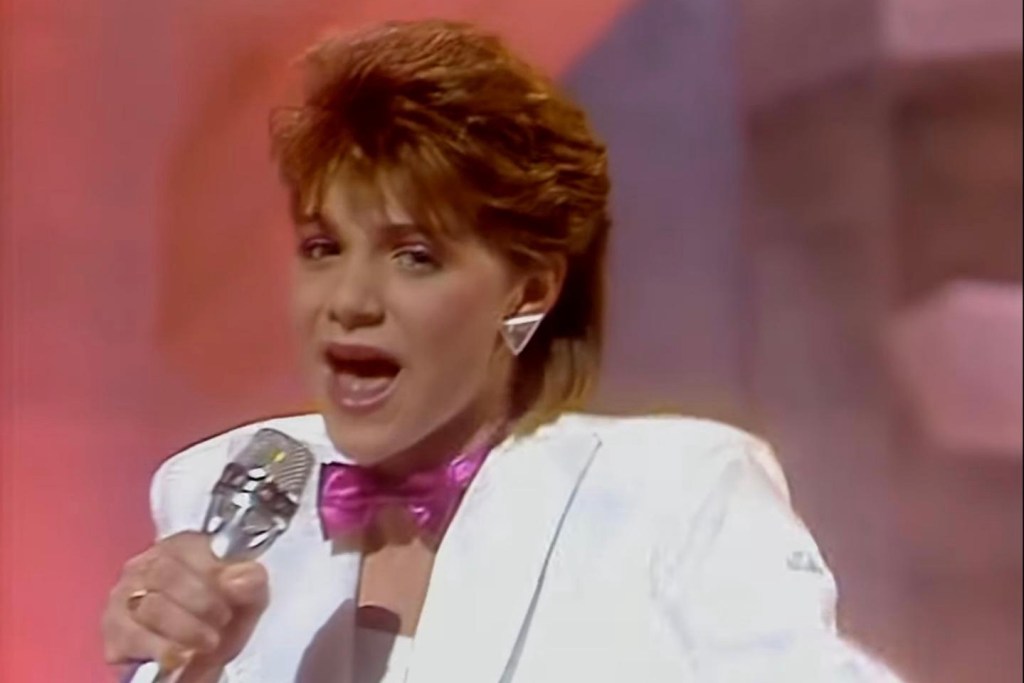
The winner was Belgium with the song “J’aime la vie” by Sandra Kim. Belgium was the last of the original 7 countries that had competed in the very first contest to win. Aged 13, Kim was the youngest ever Eurovision winner. Current rules require Eurovision Song Contest participants to be at least 16, so unless the rule is changed, Kim’s record will never be broken. In the lyrics of her song, Kim claimed to be 15 years of age, but after the contest, it was revealed that she was actually 13. Switzerland, who finished second, appealed for her to be disqualified, but was not successful.

The 1986 contest was a first for Eurovision in that royalty were among the guests—Crown Prince Harald, Crown Princess Sonja, Princess Märtha Louise and Prince Haakon Magnus were all in attendance.

Eurovision 1985

Today the 30th edition of the annual Eurovision Song Contest 1985 took place in Gothenburg, Sweden, following the country’s victory at the 1984 contest with the song Diggi-Loo Diggi-Ley by Herreys.

Organised by the European Broadcasting Union(EBU) and the host broadcaster Sveriges Television (SVT), the contest was held at the Scandinavium on 4th May 1985. It was hosted by previous Swedish contestant Lill Lindfors.

The Netherlands was absent in 1985 due to the date of the contest coinciding with the Dutch Remembrance of the Dead.

Nineteen countries participated in the contest, with Norway winning the contest for the first time with La det swinge by Bobbysocks!