ESC 2015 – Finale

eurovision-australia

De eerste halve finale van het Eurovisie Songfestival is achter de rug. Al wat ons rest is nog de tweede halve finale, morgenavond en de grote finale aanstaande zaterdag.

Het is Trijntje Oosterhuis helaas niet gelukt om zich kwalificeren voor de grote finale. Dankzij de vakjury en de televoters zal zij niet met de andere 20 favoriete acts van de beide voorrondes meedingen naar de eerste plaats. Overigens zijn het niet alleen de beste acts uit de voorrondes, want zoals ieder jaar hebben de landen Duitsland, Frankrijk, Italië, Spanje en het Verenigd Koninkrijk hun finaleplaats ingekocht. Dit is mogelijk omdat het organiseren van het Eurovisie songfestival tot in de miljoenen euro’s loopt. Dus iedere financiële bijdrage blijkt welkom

Vanzelfsprekend staat de winnaar van het voorgaande jaar ook meteen in de finale. Zeer indirect is dit ook een ingekochte finaleplaats, want als gastland mag je diep in de buidel tasten om het songfestival te organiseren. Nieuwe deelnemer dit jaar is het land Australië. Omdat het Eurovisie songfestival al sinds 1983 in Australië wordt uitgezonden en een grote schare fans heeft, mag het dit jaar –omdat het de zestigste editie van het songfestival is, voor één keer meedoen. Mocht Australië winnen, dan mogen ze volgend jaar weer meedoen, maar het Eurovisie songfestival blijft dan wel in Europa, en zal het door een Europees gastland georganiseerd worden.

Ann Sophie mag voor Duitsland het podium betreden met het nummer Black Smoke. Onze oosterburen hebben niet voor het beste nummer gekozen, want de winnaar van de voorrondes, Andreas Kümmert, bedankte op het laatste moment voor de eer, waardoor Ann Sophie vanzelfsprekend door mocht naar de finale van aanstaande zaterdag.

N‘oubliez Pas is het liedje dat Lisa Angell zingt voor Frankrijk. Het is een mooi, lief chanson, vanzelfsprekend in het Frans gezongen, maar meer is het ook niet. Het is voor Frankrijk maar goed dat men jaarlijks de finaleplaats afkoopt, anders was het wellicht net al Nederland jarenlang niet gelukt om in de finale te komen. Het lied eindigt volgens mij in de laatste regionen van de deelnemende landen.

Als je van de door Simon Cowell opgerichte zanggroep Il Divo houdt, dan houd je ook van de inzending van Italië. Het land stuurt een gelijkklinkende zanggroep in de vorm van het mannelijke trio Il Volo. De heren zingen het nummer Grande Amore. Ik heb begrepen dat Il Volo met grote sterren heeft gezongen, maar dat biedt geen garantie tot een plek in de top 10: Wereldberoemde Engelbert Humperdinck zong in 2012 voor het Verenigd Koninkrijk en eindigde op de een-na-laatste (25e) plaats.

Ondanks de financiële bankencrisis in het land, heeft Spanje genoeg budget in het Eurovisiepotje waarmee ze zangeres Edurne naar de finale sturen. Edurne bezingt in het nummer Amanecer dat haar liefde er vandoor is gegaan, zonder dat hij op de hoogte was van haar liefde voor hem. Haar hart had haar ingefluisterd niet terug te komen zonder zijn liefde. Natuurlijk klinkt dat in het Spaans veel mooier. Maar dan nog kan het lied me niet bekoren.

Het Verenigd Koninkrijk gaat dit jaar retro met gelegenheidsduo Electro Velvet, die het nummer Still in Love With You brengen op het Eurovisie songfestival. Het lied is een swingnummer uit het begin van de vorige eeuw, met de nodige electropop gemixt. Het klinkt in mijn oren als een nummer van Caro Emerald. Ik vind het allemaal heel vrolijk klinken, maar naar mijn mening iets te bedacht allemaal. Zal het Verenigd Koninkrijk dit jaar lukken om na 5 jaar eindelijk weer eens in de top 10 te komen?

Gastland Oostenrijk mag dit jaar het Eurovisie songfestival organiseren en laat de groep The Makemakes het nummer I Am Yours in de eigen hoofdstad ten gehore brengen. Wederom staan er een bebaarde zangers op het podium voor Oostenrijk, maar The Makemakers zijn beduidend minder opvallend dan een bebaarde man in jurk en make-up. Persoonlijk verdenk ik Oostenrijk ervan dat ze er niet zoveel zin in heeft om volgend jaar weer het songfestival te mogen organiseren.

Grote verrassing dit jaar is de deelname van Australië. Zoals eerder gemeld is het Eurovisie songfestival enorm populair op het continent, down under. Daarop heeft de organisatie besloten dat het eenmalig mag meedoen. Guy Sebastian heeft de eer om voor zijn land uit te komen en dit doet hij met het nummer Tonight Again. Mede door het aanstekelijke nummer en het feit dat Australië maar een keer mag meedoen, voorspel ik dat Guy Sebastian de eerste –en tevens laatste overwinning van Australië mag realiseren.
Eurovisie 2014

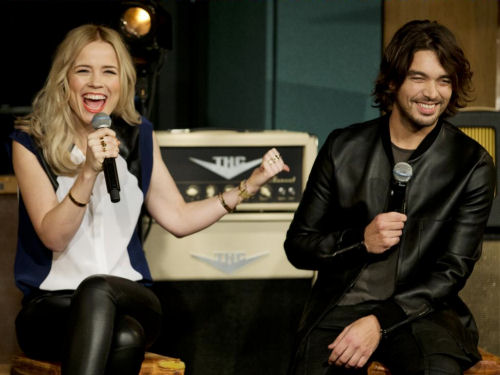
Ilse DeLange en Waylon gaan Nederland in 2014 vertegenwoordigen op het Eurovisie Songfestival in Denemarken. Ilse vind het belangrijk om te melden dat ze niet bij elkaar zijn gekomen voor het Songfestival. De twee hadden al plannen om een gezamenlijke countryplaat te maken. Ze kenden elkaar al als tieners, zegt de zangeres.

Het duo gaat Nederland vertegenwoordigen onder de naam The Common Linnets, maar er is nog geen duidelijkheid over het liedje. “We zijn nog in dubio, een uptempo opzwepend liedje of gaat het juist om het hart?”, zegt DeLange “En je hoort het al hoe ik het zeg, dat is waar mijn voorkeur naartoe gaat.” Waylon is het eens met de uitspraken van zijn collega. “Het gaat ons niet om de jurk en de dansjes, maar om het liedje en de uitvoering ervan”, vertelt hij. “Ik denk dat dat het belangrijkste is.”

Nu was bovenstaand nieuws niet echt nieuws meer, want de namen van Ilse en Waylon werden al vaker genoemd de laatste tijd, maar nu is het officieel bevestigd. Ik moet eerst het liedje horen, voordat ik een mening kan geven..

EUROVISIE

Anouk Does ESC

Anouk gaat naar het Eurovisie Songfestival in het Zweedse Malmö. Dat maakt de zangeres woensdag op haar Facebook bekend.  In een zelfgemaakt filmpje vertelt Anouk dat ze van de week een bespreking heeft gehad met de TROS. ‘Dat verliep heel erg okay. Toen dacht ik: ik ga er nog heel even een nachtje over slapen. Dat heb ik gedaan. En toen ik vanochtend wakker werd dacht ik: ik ga het gewoon doen, ik heb er zin in.”

De TROS heeft het nieuws inmiddels bevestigd. Directeur Peter Kuipers zegt blij te zijn met de positieve uitkomst na de rumoer die er afgelopen tijd was over de mogelijke deelname van Anouk. ‘Als publieke omroep geven we gehoor aan de wens van onze achterban en zullen wij Anouk afvaardigen’ , aldus Kuipers in een persbericht. bron

Nu moet tout Nederland niet gaan denken dat we hiermee in het bezit zijn van een vrijkaart voor de finale, volgend jaar. Of dat we nu dan eindelijk gaan winnen. Niets laat zich zo slecht meten als het Eurovisie Songfestival. Dat Anouk ons land vertegenwoordigd vind ik wèl leuk! En wanneer Anouk in een van de voorrondes blijft steken, kan ze nog altijd zeggen ‘It’s too bad, but that’s me.’

Earphone Excuse

Joan Franka had to perform during the semi-final of the Eurovision Song Contest with equipment that did not work properly.

The singer met a man who had supplied all the ‘earphones’ for the festival on behalf of a German company, which provide sound for artists. “According to him, something broke in the equipment that controlled the earphones shortly before the semi-final,” Franka said on Friday.

According to 22-year-old Franka, who did not sing in tune during her Eurovision Song Contest performance, all artists suffered from the disruption. “Especially singers of slower songs with softer background music, like me.” The man apologized for the inconvenience. “He was very annoyed to hear that I had had to search intently for the best sound in front of an audience of millions.”

Yet Franka does not blame her loss solely on the failing equipment. “It was also my fault that I failed in the semi-finals. I did not sing my song in the best way for me,” said Franka. “Sometimes you just can’t control your own voice.”

Franka can’t wait to perform on various stages in the near future. “Even though things went wrong in Baku, my dream – to perform on stage with my own music – has already come true.”

Headdress

Joan Franka appears on stage with a large Indian outfit during her participation in the Eurovision Song Contest, despite criticism of the outfit. This became apparent on Tuesday in Baku, where the singer rehearsed for the first time.

The ornament that 22-year-old Franka wears is larger than the one she had on her head at the National Song Contest. The headdress reaches up to her buttocks. Joan previously said that she always wears a feather in her hair. “The feather represents the freedom to be who I am.”

The rehearsal also made it clear that Franka plays a white guitar. She is accompanied by four musicians and a background singer.

Franka will sing her self-written song You and Me next Thursday during the second final of the song festival. The grand final is two days later.

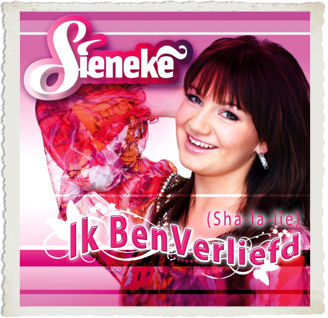
Ik Ben Verliefd

Ik word een beetje heel erg moe van iedereens mening over het ingezonden lied voor het Eurovisie Songfestival 2010 in Oslo, Noorwegen. Vooral moe over alle negatieve meningen (Tatjana, in de jury plaatsnemen -vast niet voor niets- en vervolgens daags er na met modder smijten. Shame on you!).

Iedereen is het er wel over eens dat ‘Ik Ben Verliefd’ (Sha la lie) een ouderwets en vooral oubollig lied is. Daarom ben ik zo blij met de winnende uitvoering: een draaiorgel en een jaren vijftig riedeltje. Niet te pretentieus, maar gewoon een liedje met een pakkende melodie. Dat laatste vind ik dan toch iets minder, want ik krijg het shalalie sinds afgelopen weekend niet meer uit mijn kop (en sta ik er morgen weer mee op?) ..

Eén voordeel van al deze Nationaal Songfestival-perikelen is wel dat Patricia Paay niet meer dagelijks met non-nieuws in het nieuws komt.

sieneke

Ik ben vergeten waar ik dit liedje heb gehoord, in de zomerzon
Ik geloof dat het toen daar met jou op het strand was in Lissabon
Of was het daar toen in Parijs
Achter een coupe vers mokkaijs?
Het kan ook zijn dat het was met zijn tweeën overzee in die luchtballon

Shalalie shalala, shalalie shalala
Het gaat niet uit m’n kop
Shalalie shalala, shalalie shalala
Ik sta d’r ‘s morgens mee op
Ik ben verliefd op jou
Daardoor vergeet ik alles gauw en weet ik het niet meer
Shalalie shalala, shalalie shalala Zo gaat het ongeveer

Ik ben verliefd, ik ben verliefd
Ik ben verliefd, dat kun je zo zien

Het kan ook zijn dat ik hoog in de lucht in een vliegtuig naar Oslo
Of klonk het uit een café in zo’n straatje – ik was ooit in Trinidad
Of was het met een goed glas wijn
Op dat terrasje in Berlijn?
Of was het in Moskou waar ik mijn eerste kus heb gehad van jou?

Hoe kan ik dat, hoe kan ik dat…
Hoe kan ik dat nou vergeten?

Shalalie shalala, shalalie shalala
Het gaat niet uit m’n kop
Shalalie shalala, shalalie shalala
Ik sta d’r ‘s morgens mee op
Ik ben verliefd op jou
Daardoor vergeet ik alles gauw en weet ik het niet meer
Shalalie shalala, shalalie shalala
Zo gaat het ongeveer.

History Repeatin’?

‘Ik ben verliefd (Sha-la-lie)’ heet het liedje waar we volgend jaar veel punten mee hopen te gooien op het Eurovisie Songfestival in Oslo. Dat werd vrijdag duidelijk in het TROS-programma Gouden Uren (Radio 2). Op uitnodiging van de TROS, die komend jaar in Nederland het Songfestival organiseert, heeft Pierre Kartner (aka Vader Abraham) het lied geschreven. De schrijver en componist bracht het nummer vrijdag in de radioshow zelf ten gehore. Wie de inhaker in Oslo gaatvertolken is echter nog niet bekend. Dat wordt duidelijk na het Nationaal Songfestival, dat op zondag 7 februari plaatsvindt.

Zenden we na 34 jaar dan eindelijk eens een winnend nummer in..?

Teach-In 75

Top of Flop

Ik heb net gekeken naar het Nationaal Song Festival met de Toppers. Gepresenteerd door Jack van Gelder. De vijfkoppige vakjury die hun zegje mochten doen, bestaat uit TROS-radiopresentator Daniël Dekker, Getty Kaspers (Teach-In),tekstschrijver/producer Emile Hartkamp, Tony Berk (voormalig radiopresentator) en actrice/zangeres Tatjana Simic.

De liedjes die de Toppers vanavond ten gehore brachten konden mij niet echt bekoren. Ik ben van mening dat men het winnende liedje kan kiezen uit de minst slechte van de zes. Ikzelf vond het laatste nummer ‘Shine’ het minst stom. Hoogtepunt voor mij vond ik het optreden van Your Votes (en Rolf Koster -nice!- in het bijzonder). Ze zongen een medley van wel leuke diverse songfestivalsongs.

Over een half uur wordt bekend gemaakt met welk liedje de Toppers naar Moskou gaan. Top of Flop?

ESC

Eurovision 2000

Today the 45th edition of the annual Eurovision Song Contest 2000 took place in Stockholm, Sweden, following the country’s victory at the 1999 contest with the song “Take Me to Your Heaven” by Charlotte Nilsson. Organised by the European Broadcasting Union (EBU) and host broadcaster Sveriges Television (SVT), the contest was held at the Globe Arena. The contest was presented by Swedish television presenters Kattis Ahlström and Anders Lundin.

Twenty-four countries took part in the contest. Latvia participated for the first time, while Slovakia, Greece and Hungary decided not to compete, citing financial reasons. Finland, Macedonia, Romania and Switzerland returned after their relegation from the previous edition. Russia also returned, after their last participation in 1997. Meanwhile, Bosnia and Herzegovina, Lithuania, Poland, Portugal and Slovenia were relegated due to having the lowest average scores over the previous five editions.

The winner was Denmark with the song “Fly on the Wings of Love”, performed by the Olsen Brothers and written by the oldest brother Jørgen Olsen. This was Denmark’s second victory in the contest, following their win in 1963 almost 4 decades earlier. Russia, Latvia, Estonia and Germany rounded out the top five. Both Russia and Estonia achieved their best result in the contest up to this point, while Latvia achieved the best placing for a debuting country since Poland’s second-place finish in 1994. On the day of their victory, Jørgen Olsen was 50 years and 61 days of age, making him the oldest artist yet to win the contest. The combined ages of the Olsen Brothers make them the oldest aged act ever to win the contest.

Sponsored by Microsoft, the contest was also broadcast in Australia, Canada, Japan, the United States, and via the Internet for the first time.

In the Netherlands, NOS decided to take the contest off air halfway through because of the Enschede fireworks disaster that happened earlier that day, so it could use the channel for continuous news broadcasts. Later, NOS declared that it was both for practical reasons as well as because they found it “inappropriate to broadcast a light entertainment programme on the night of such a catastrophic event”. As a result, televoting had to be suspended and the Dutch votes were given by a stand-by jury instead. The contest was later rebroadcast in full on 12 June 2000.

Today was a warm, almost tropical day in the Netherlands. We spent the day on the beach in Den Helder and heard about the fireworks disaster on our little transistor radio. In the evening, back home in Almere, we continued to watch the broadcast via the BBC, after the NOS took the contest off the air.

Het is een Wonder

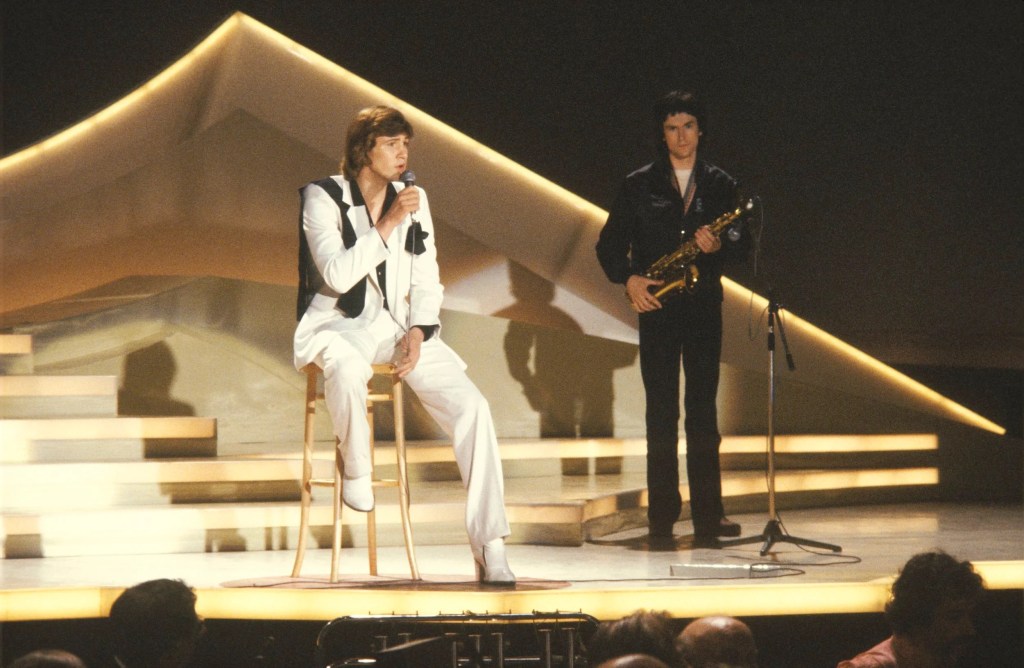
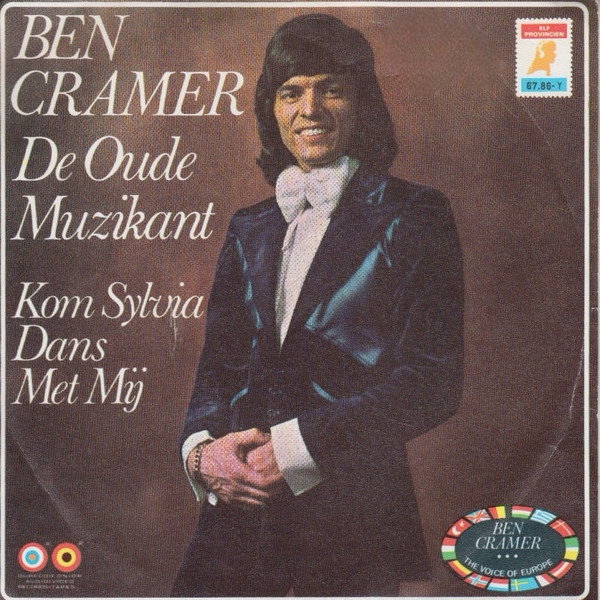
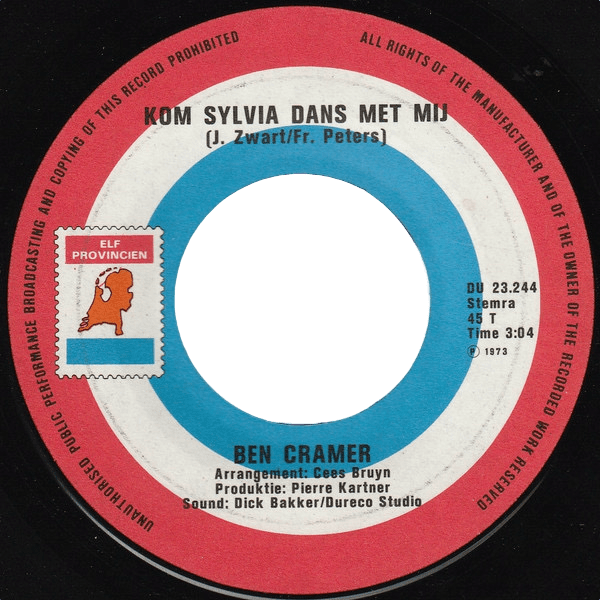
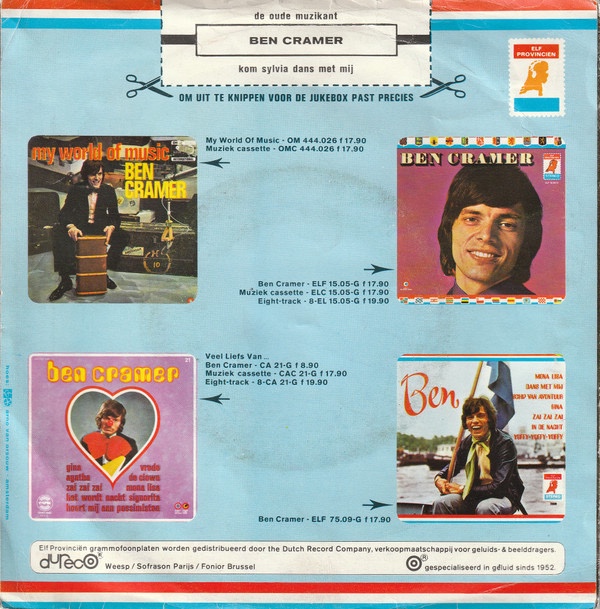
Vandaag, in het jaar 1981 wordt in het Zuidplein-Theater in Rotterdam het Nationaal Songfestival gehouden. Vijf kandidaten nemen het tegen elkaar op met ieder twee liedjes. Van de deelnemers is Ben Cramer, die in 1973 al eens naar het Eurovisiesongfestival ging, het bekendst. De andere acts zijn Lucy Steymel, de toen nog niet zo bekende zangeres Maribelle, de groep Familee en Linda Williams. Die laatste naam werd pas als laatste aan het deelnemersveld toegevoegd. De Brabantse zangeres nam de plaats in van Oscar Harris, die zich had teruggetrokken uit de strijd.

Maribelle werd vooraf als een kanshebber voor het ticket voor Dublin gezien. Ze had immers twee sterke liedjes: Marionette en Fantasie. Dit blijkt uiteindelijk juist haar ondergang te worden. De twaalf provinciejury’s verdelen hun punten ongeveer gelijk om de twee liedjes. Marionette eindigt op de tweede plaats met 27 punten en Fantasie op nummer 3 met 23 punten. Samen goed voor 50 punten. Bij Linda Williams heeft de jury een duidelijke voorkeur. Haar liedje Het Is Een Wonder krijgt 34 punten en haar tweede liedje Zo Is Het Leven krijgt er slechts 6. Linda verzamelt bij elkaar dus maar 40 punten, maar zij mag wel met Het Is Een Wonder ons land vertegenwoordigen op het Eurovisiesongfestival.

Er komt behoorlijk was kritiek op het winnende liedje, dat overigens als enige inzending van alle 12 jury’s punten heeft gekregen. Het zou veel te volks zijn en zeker niet misstaan op een piratenzender. Zit Europa wel te wachten op zoiets typisch Nederlands? Over de compositie zelf was ook nogal wat te doen. Beide liedjes van Linda werden geschreven door Cees De Wit. Bij de aankondiging van Linda’s tweede liedje vermeldde presentator Fred Oster dat Bart van de Laar er ook nog ‘iets mee te maken had gehad’. Zijn naam staat er met potlood op zijn papiertje bij geschreven, vertelt hij er nog even bij.

Als de winnende componisten aan het einde van de uitzending op het podium moeten komen, staat Bart van de Laar er meteen en is Cees de Wit in eerste instantie nergens te vinden. Pas een dikke minuut later, als Bart al geïnterviewd is, komt Cees pas op het podium, maar dan is er geen tijd meer om hem ook nog aan het woord te laten.

Daarmee is het verhaal nog niet klaar, want een paar dagen later zit Bart van de Laar (zonder Cees) bij Sonja’s Goed Nieuws Show, om over Het Is Een Wonder te praten. Dan wordt Sonja geïnterrumpeerd door een mevrouw die zegt de moeder van Cees de Wit te zijn en dat haar zoon het hele nummer, zowel tekst als muziek, alleen geschreven heeft. Sonja ontneemt haar daarna echter het woord. Het verhaal is dat Cees de Wit het lied oorspronkelijk heeft geschreven, maar dat Bart van de Laar de titel en de tekst heeft aangepast. De oorspronkelijke titel was Het Is Weer Zomer.

Ondanks alle kritiek zet Linda Williams op 4 april 1981 een prima resultaat neer in Dublin. Het Is Een Wonder eindigt als 9e van de 20 inzendingen. bron: Top40.

Eurovision 1980

Today the 25th edition of the annual Eurovision Song Contest was held in The Hague, Netherlands, and was organised by host broadcaster Nederlandse Omroep Stichting (NOS) – which agreed to stage the event after Israel, having won in both 1978 and 1979, declined to host it for a second successive year – and the European Broadcasting Union (EBU). The contest was held at the Nederlands Congresgebouw and was hosted by Dutch actress Marlous Fluitsma, although each song was introduced by a presenter from the participating nation (in some cases, this was the same person providing the commentary).

Nineteen countries took part this year, with Monaco and the previous year’s winner Israel deciding not to participate, and Turkey returning. Morocco, notably, made its only appearance in the contest.

The winner was Ireland with the song What’s Another Year, sung by Johnny Logan and written by Shay Healy.

Eurovision 1976

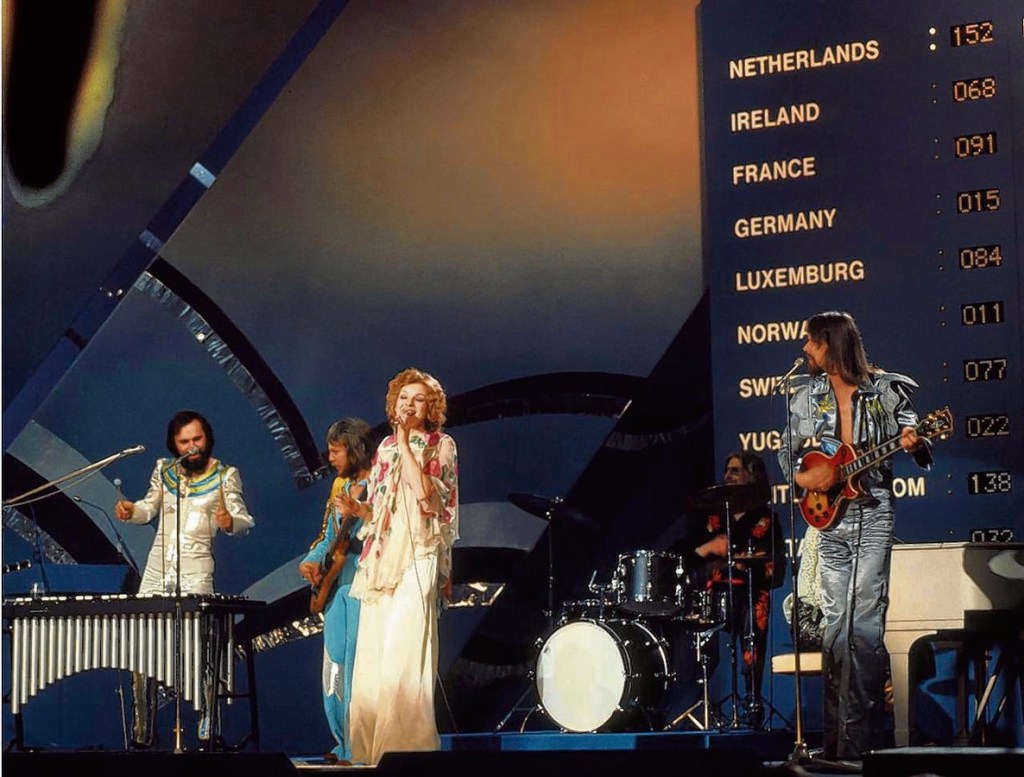
On this day in 1976, the 21th edition of the annual Eurovision Song Contest took place in The Hague, Netherlands, following the country’s victory at the 1975 contest with the song Ding-a-dong by Teach-In. Organised by the European Broadcasting Union (EBU) and host broadcaster Nederlandse Omroep Stichting(NOS), the contest was held at the Nederlands Congrescentrum and was hosted by 1957 Dutch Eurovision winner Corry Brokken.

Eighteen countries took part in the contest with Sweden, Malta and Turkey opting not to return to the contest after participating the previous year. Malta would not return to the contest again until 1991. On the other hand, Austria and Greece returned to the competition, having been absent since 1972 and 1974 respectively.

United Kingdom won the contest this year with the song Save Your Kisses for Me by Brotherhood of Man. The song went on to become the biggest selling winning single in the history of the contest and won with 80.39% of the possible maximum score and an average of 9.65 of 12; a record under the voting system introduced in 1975.

Eurovision 1975

The Eurovision Song Contest 1975 was the 20th edition of the annual Eurovision Song Contest. It took place in Stockholm, Sweden, following the country’s victory at the 1974 contest with the song Waterloo by ABBA. Organised by the European Broadcasting Union(EBU) and host broadcaster Sveriges Radio(SR), the contest was held at Stockholmsmässan on this day in 1975, and was hosted by Swedish television director Karin Falck. It was the first time that the contest had taken place in Sweden.

Nineteen countries participated in the contest, beating the previous record of eighteen, that was first set in the 1965 edition. France and Malta returned after their one-year and two-year absences, respectively. Turkey made its debut, while Greece decided not to enter after its debut the year prior.

The winner of the contest was the Netherlands who won with the song Ding-A-Dong, performed by Teach-In, written by Will Luikinga and Eddy Ouwens, and composed by Dick Bakker. The country would not win again until 2019.

Eurovision 1970

Tonight the 15th edition of the annual Eurovision Song Contest took place in Amsterdam, Netherlands. Organised by the European Broadcasting Union (EBU) and host broadcaster Nederlandse Omroep Stichting (NOS), the contest was held at the RAI Congrescentrum, and was hosted by Dutch television presenter Willy Dobbe.

Twelve countries participated in the contest this year. This was the lowest number of participants since the 1959 edition. The reason was that Finland, Norway, Portugal, Sweden and Austria all boycotted the 1970 edition, officially because they felt that the contest marginalised smaller countries and was no longer good television entertainment, though it is rumoured that this was also in protest of the four-way tie result that had occurred in 1969.

The winner of the competition was Ireland with the song All Kinds of Everything, performed by Dana, and written by Derry Lindsay and Jackie Smith. This was Ireland’s first of their eventual record seven victories in the contest. The United Kingdom finished in second place for the seventh time, while Germany ended up in third place – the best result for the country at the time. This was also the only time that Luxembourg received nul points.

Eurovision 1969

Today the 14th edition edition of the annual Eurovision Song Contest took place in Madrid, Spain, following the country’s victory at the 1968 contest with the song La La La by Massiel. Organised by the European Broadcasting Union(EBU) and host broadcaster Televisión Española (TVE), the contest was held at the Teatro Real and was hosted by Spanish television presenter and actress Laurita Valenzuela.

Sixteen countries took part in the contest with Austria deciding not to participate this year.

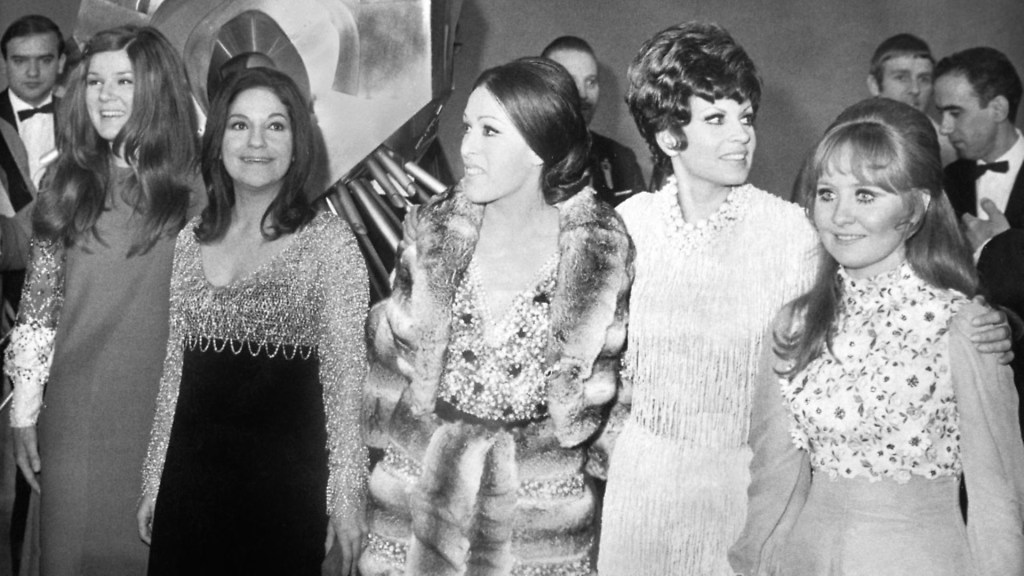
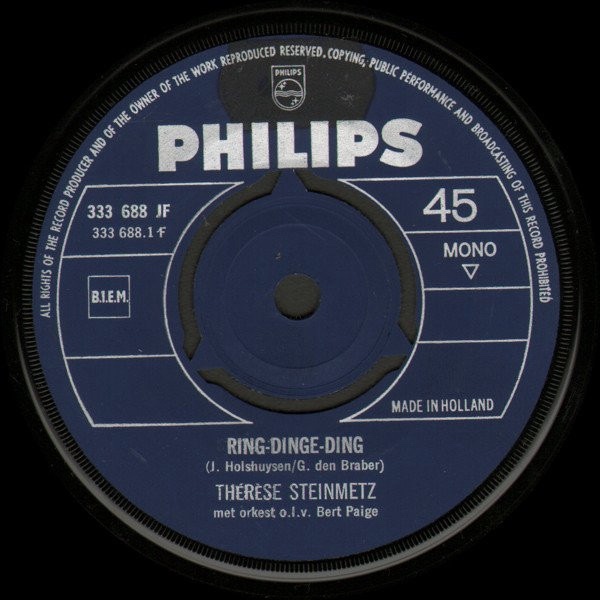
At the close of voting, four countries were declared joint-winners: the United Kingdom with Boom Bang-a-Bang by Lulu, Spain with Vivo cantando by Salomé, the Netherlands with De troubadour by Lenny Kuhr, and France with Un jour, un enfant by Frida Boccara. It was the first time in the history of the contest that a tie for first place had occurred, and as there was no tiebreaker rule in place at the time, all four countries were declared joint winners.

France’s win was their fourth, thus making it the first country to win the contest four times. The Netherlands’ win was their third. Spain and the United Kingdom each won for the second time, with Spain becoming the first country to win the Eurovision Song Contest twice in a row.

Eurovision 1959

Tonight the fourth edition of the annual Eurovision Song Contest 1959 was held at the Palais des Festivals et des Congrès in Cannes, France, and hosted by French television presenter Jacqueline Joubert. Organised by the European Broadcasting Union (EBU) and host broadcaster Radiodiffusion-Télévision Française (RTF), the contest, originally known as the Grand Prix Eurovision de la Chanson Européenne 1959 (English: Grand Prix of the Eurovision Song Contest 1959), was held in France following the country’s victory at the 1958 contest with the song Dors, mon amour, performed by André Claveau.

In total eleven countries participated in the contest, with Monaco making its first appearance and the United Kingdom returning after their absence the previous year. Luxembourg, however, decided not to participate after competing in all former editions.

The winner was the Netherlands with the song Een beetje, performed by Teddy Scholten, composed by Dick Schallies and written by Willy van Hemert. This was the Netherlands’ second victory in the contest, having also won in 1957, and also marked the first time a country had won the contest more than once. Van Hemert also became the first individual to win twice, having also written the first Dutch winning song from 1957, Net als toen. The United Kingdom placed second, marking the first of a record sixteen times that the country would go on to finish as contest runners-up, while France placed third.

Eurovision 1958

Today the third edition of the annual Eurovision Song Contest was held. Organised by the European Broadcasting Union (EBU) and host broadcaster Nederlandse Televisie Stichting(NTS), the contest, originally known as the Grand Prix Eurovision de la Chanson Européenne 1958 (English: Grand Prix of the Eurovision Song Contest 1958) was held on Wednesday 12 March 1958 at the AVRO Studios in Hilversum, the Netherlands and hosted by Dutch television presenter Hannie Lips. This marked the first time that the contest was hosted in the country of the preceding year’s winner, a tradition that has been continued ever since (with some exceptions).

Ten countries participated, equalling the number which took part the previous year; Sweden made its first appearance in the contest, while the United Kingdom decided not to participate.

The winner of the contest was France, represented by the song Dors mon amour performed by André Claveau, marking the first of five eventual wins for the country. Another entry however made a greater impact following the contest; the Italian entry, Nel blu, dipinto di blu performed by Domenico Modugno which had placed third, became a worldwide hit for Modugno, winning two Grammy Awards in 1959 and becoming a chart success in several countries.