
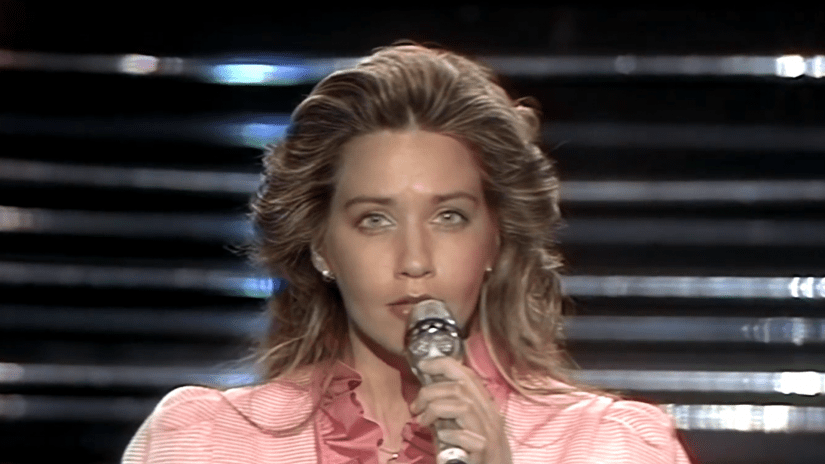
Tonight the 29th edition of the annual Eurovision Song Contest took place in Luxembourg City, Luxembourg, following the country’s victory at the 1983 contest with the song Si la vie est cadeau by Corinne Hermes. Organised by the European Broadcasting Union (EBU) and host broadcaster Radio Télévision Luxembourg(RTL), the contest was held at the Théâtre Municipal on 5 May 1984 and was hosted by Luxembourgish multimedia personality Désirée Nosbusch, who was only 19 years at the date, making her the youngest presenter in adult Eurovision history.
Nineteen countries took part in the contest. Israel did not enter due to it conflicting with the country’s Yom HaZikaron holiday again. Greece was also absent. On the other hand, Ireland, who had not participated the previous year, returned this year.
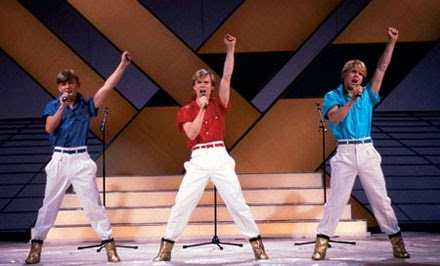
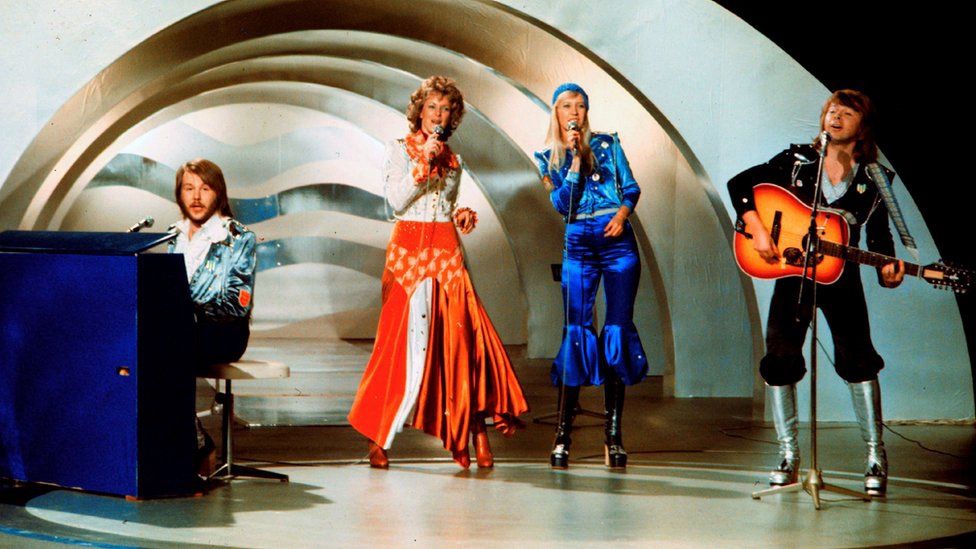
The winner was Sweden with the song Diggi-Loo Diggi-Ley performed by Herreys. This was the first winning song in Swedish, as ABBA had performed Waterloo in English when they won in 1974. Richard and Louis Herrey became the first teenage males to win Eurovision and as of 2023 remain the youngest ever adult Eurovision male winners, being 19 years and 260 days and 18 years and 184 days of age respectively.

 euro-vision.blog