
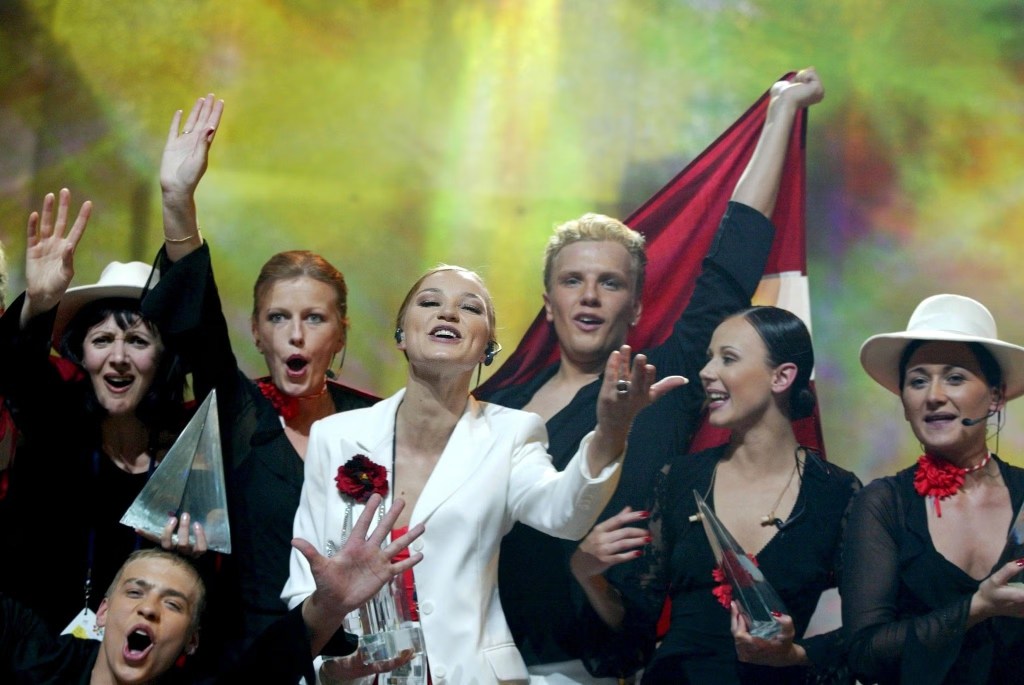
Today, the 48th edition of the annual Eurovision Song Contest 2003 was held in Riga, Latvia, following the country’s victory at the 2002 contest with the song I Wanna by Marie N. Organised by the European Broadcasting Union (EBU) and host broadcaster Latvijas Televīzija (LTV), the contest was held at the Skonto Hall on 24 May 2003. The contest was presented by last year’s winner Marie N and former contestant Renārs Kaupers.

Twenty-six countries participated in the contest, beating the record of twenty-five first set in 1993. It saw the return of Iceland, Ireland, the Netherlands, Norway and Poland after having been relegated from competing the previous year. Portugal also returned to the contest after being absent the previous year, while Ukraine participated in the contest for the first time. Denmark, Finland, Lithuania, Macedonia and Switzerland were relegated due to their poor results in 2002.
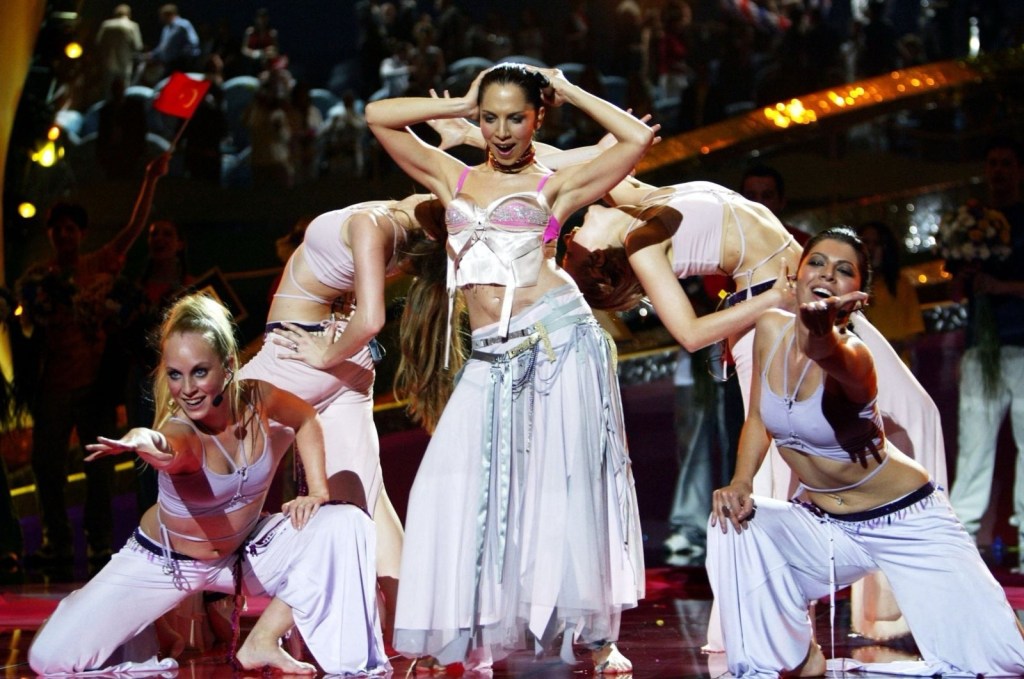
The winner was Turkey with the song Everyway That I Can, performed by Sertab Erener who wrote it with Demir Demirkan. This was Turkey’s first victory in the contest after 28 years of participation. Belgium, Russia, Norway and Sweden rounded out the top five. Further down the table, the United Kingdom achieved their worst result to date, finishing twenty-sixth (last place) with no points. However, they avoided relegation due to being one of the “Big Four” countries at the time. The host country Latvia placed twenty-fourth (third from last) – this was the first time since 1995 that the host entry did not place in the top 10, and it was, overall, the worst result for a host entry since 1992.
This was the last contest to take place on one evening. The EBU revealed that it would be adding a semi-final show to the competition in order to accommodate the growing number of interested countries wishing to take part in the contest. This was also the last contest in which a relegation system was used to determine which countries would participate in the following year’s contest. As the Belgian entry was sung in an imaginary language, this was also the first time the contest featured a song with no parts performed in English or a language native to the country.
 euro-vision.blog