Eurovision 2017

This week the 62nd edition of the annual Eurovision Song Contest took place in Kyiv, Ukraine, following the country’s victory at the 2016 contest with the song 1944 by Jamala. Organised by the European Broadcasting Union (EBU) and host broadcaster Public Broadcasting Company of Ukraine (UA:PBC), the contest was held at the International Exhibition Centre and consisted of two semi-finals on 9 and 11 May, and a final on 13 May 2017. The three live shows were presented by Ukrainian television presenters Oleksandr Skichko, Volodymyr Ostapchuk and Timur Miroshnychenko, being the first contest since the inaugural 1956 edition without a female host.
Forty-two countries participated in the contest. Portugal and Romania returned to the contest after a year’s absence, while Bosnia and Herzegovina did not participate on financial grounds. Russia had originally planned to participate, but later withdrew after its representative, Julia Samoylova, was banned from entering Ukraine by virtue of having travelled directly from Russia to Crimea, a region that was annexed by Russia in 2014, to give a performance, which is illegal under Ukrainian law.

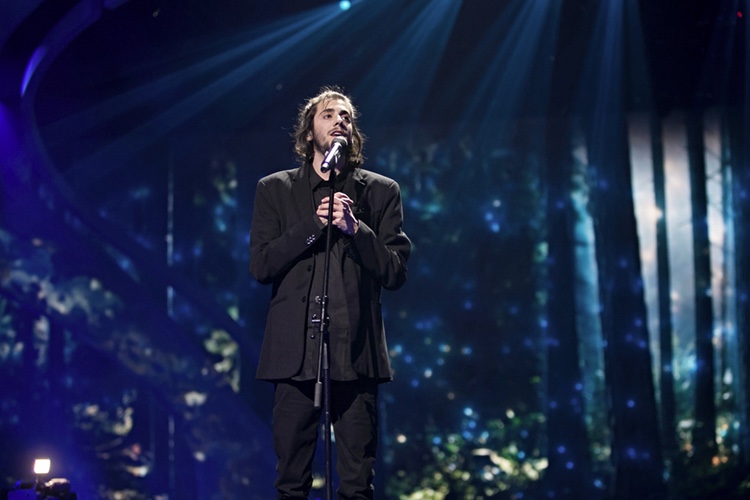
The winner was Portugal with the song Amar pelos dois, performed by Salvador Sobral and written by his sister Luísa Sobral. The song won both the jury vote and televote, and Bulgaria, Moldova, Belgium and Sweden rounded out the top five. This was Portugal’s first victory in 53 years of participation, the longest in Eurovision history. It was also the first winning song entirely performed in a country’s native language since Serbia’s Molitva in 2007. The top three countries – Portugal, Bulgaria and Moldova – all achieved their highest placings in their Eurovision history, while host country Ukraine received its worst placing to date, finishing 24th in the final.

The EBU reported that 182 million viewers worldwide watched the contest, 22 million fewer than the 2016 record.
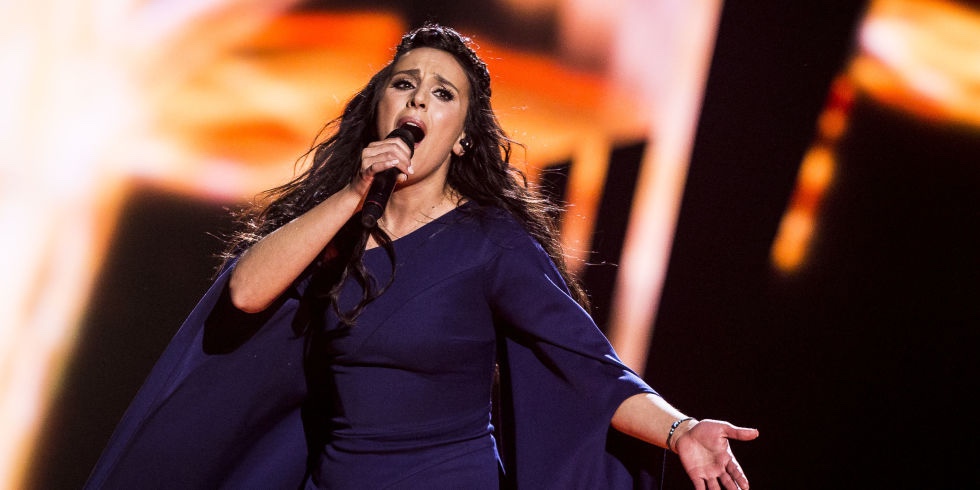
Eurovision 2016

This week the 61st edition of the annual Eurovision Song Contest took place in Stockholm, Sweden, following the country’s victory at the 2015 contest with the song Heroes by Måns Zelmerlöw. Organised by the European Broadcasting Union (EBU) and host broadcaster Sveriges Television (SVT), the contest was held at the Globe Arena and consisted of two semi-finals on 10 and 12 May, and a final on 14 May 2016. The three live shows were presented by Petra Mede and the previous year’s winner Måns Zelmerlöw.

Forty-two countries participated in the contest. Bosnia and Herzegovina, Bulgaria, Croatia and Ukraine returned after absences from recent contests, while Australia also returned after debuting as a special guest in 2015. Portugal did not enter, largely due to their national broadcaster’s insufficient promotion of its music-based media, while Romania had planned to participate, but was disqualified due to repeated non-payment of debts by its national broadcaster to the EBU.

The winner was Ukraine with the song 1944, performed and written by Jamala. Australia, Russia, Bulgaria and host country Sweden rounded out the top five. This was the first time since the introduction of professional jury voting in 2009 that the overall winner won neither the jury vote, which was won by Australia, nor the televote, which was won by Russia, with Ukraine placing second in both. 1944 is the first song containing lyrics in Crimean Tatar to win the contest.

The Czech Republic managed to qualify for the final for the first time in five attempts since its debut in 2007, while both Bosnia and Herzegovina and Greece failed to qualify from the semi-finals for the first time ever, the latter being absent from the final for the first time since 2000. In the final, Australia’s second-place finish was an improvement on its fifth-place finish in 2015, while Bulgaria finished fourth, its best result since its debut and first participation in a final since 2007.

The contest was the first to implement a voting system change since 1975: each country’s professional jury points were announced largely as before, while the results of each national televote were combined and announced in reverse order. It was also the first contest to be broadcast on live television in the United States, and the EBU recorded a record-breaking 204 million viewers worldwide for the contest, beating the 2015 viewing figures by over 5 million.