
Wanneer ik anderen in mijn omgeving opdring met deel in mijn enthousiasme voor het Eurovisie Songfestival zijn de meesten aangenaam verrast door de inzending van Frankrijk. Het is een zomers zouk-achtige nummer, waar je met moeite stil bij kan blijven zitten. Of het nummer zal winnen weet ik niet, want ik weet niet hoe de mensen in het Oostblok reageren op vrolijke Kaoma-muziek. Zet de volume van je computer lekker hoog en speel onderstaand youtubefilmpje af. Schudden! Schudden!
Tag: France
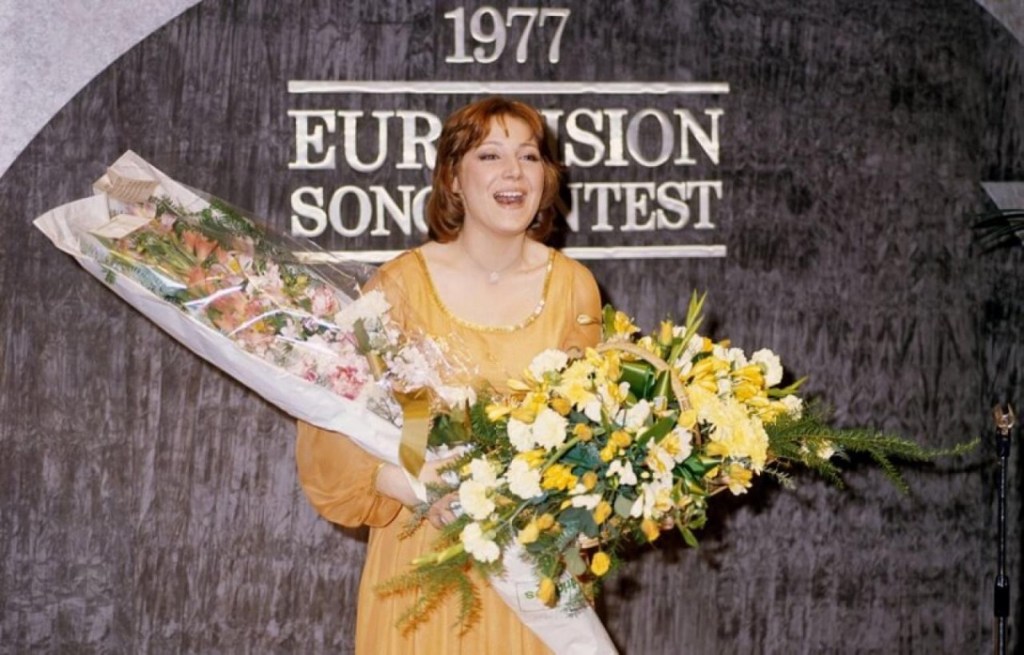
Eurovision 1977
Today the 22nd edition of the annual Eurovision Song Contest took place in London, United Kingdom, following the country’s victory at the 1976 contest with the song “Save Your Kisses for Me” by Brotherhood of Man. Organised by the European Broadcasting Union (EBU) and host broadcaster British Broadcasting Corporation (BBC), the contest was held at the Wembley Conference Centre, marking the first time the event took place in the month of May since the first contest in 1956. The contest was directed by Stewart Morris and hosted by English journalist Angela Rippon.
Eighteen countries participated in the contest; Sweden returned after its absence from the previous edition, while Yugoslavia decided not to enter.
The winner was France with the song “L’Oiseau et l’Enfant“, performed by Marie Myriam, written by Joe Gracy, and composed by Jean-Paul Cara. The United Kingdom, Ireland, Monaco and Greece rounded out the top five. Greece’s fifth place finish was their best result up to that point. France’ fifth win was also a record at the time, and one that France held onto for six years, until being equalled by Luxembourg in 1983.
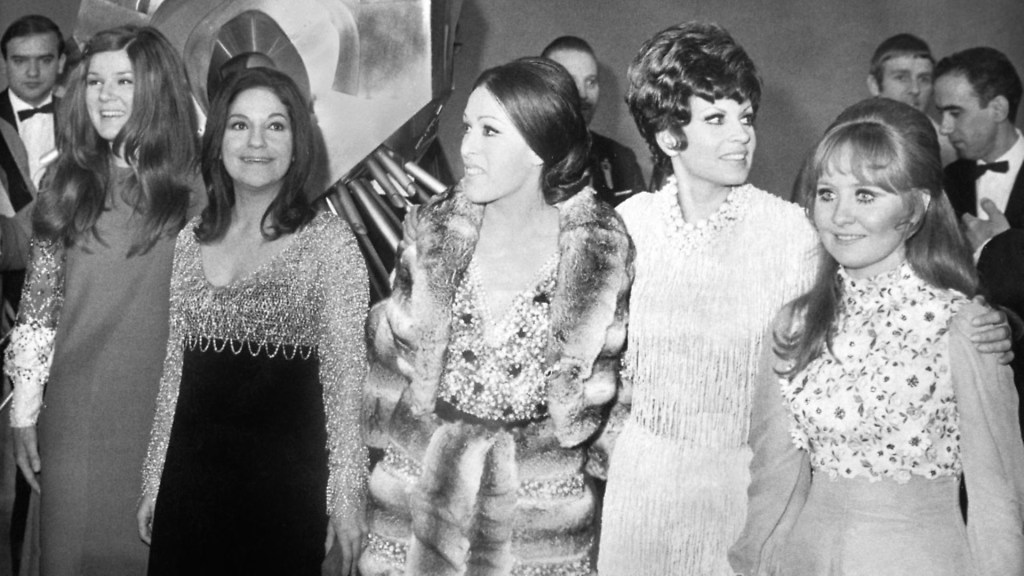
Eurovision 1969
Today the 14th edition edition of the annual Eurovision Song Contest took place in Madrid, Spain, following the country’s victory at the 1968 contest with the song La La La by Massiel. Organised by the European Broadcasting Union(EBU) and host broadcaster Televisión Española (TVE), the contest was held at the Teatro Real and was hosted by Spanish television presenter and actress Laurita Valenzuela.
Sixteen countries took part in the contest with Austria deciding not to participate this year.
At the close of voting, four countries were declared joint-winners: the United Kingdom with Boom Bang-a-Bang by Lulu, Spain with Vivo cantando by Salomé, the Netherlands with De troubadour by Lenny Kuhr, and France with Un jour, un enfant by Frida Boccara. It was the first time in the history of the contest that a tie for first place had occurred, and as there was no tiebreaker rule in place at the time, all four countries were declared joint winners.
France’s win was their fourth, thus making it the first country to win the contest four times. The Netherlands’ win was their third. Spain and the United Kingdom each won for the second time, with Spain becoming the first country to win the Eurovision Song Contest twice in a row.
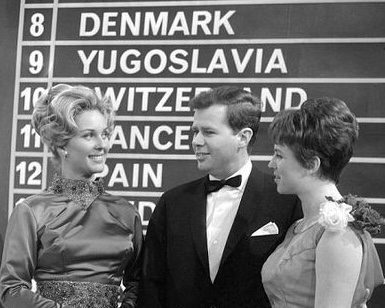
Eurovision 1963
Today the 8th edition of the annual Eurovision Song Contest took place in London, United Kingdom. It was organised by the European Broadcasting Union (EBU) and host broadcaster British Broadcasting Corporation (BBC), who agreed to stage the event after France, who had won the 1962 edition, declined to host it due to financial shortcomings, also having hosted the competition in 1959 and 1961. The contest was held at the BBC Television Centre on Saturday 23 March 1963 and was hosted by Katie Boylefor a second time.
Sixteen countries participated in the contest, the same countries that had participated the previous year.
The contest this year was won by Denmark with the song Dansevise, performed by Grethe and Jørgen Ingmann. This was the first victory for any of the Nordic countries. Four countries got nul points, with Finland, Norway and Sweden failing to score any points for the first time and the Netherlands for the second time, becoming the first country to go two years in a row without scoring a single point.
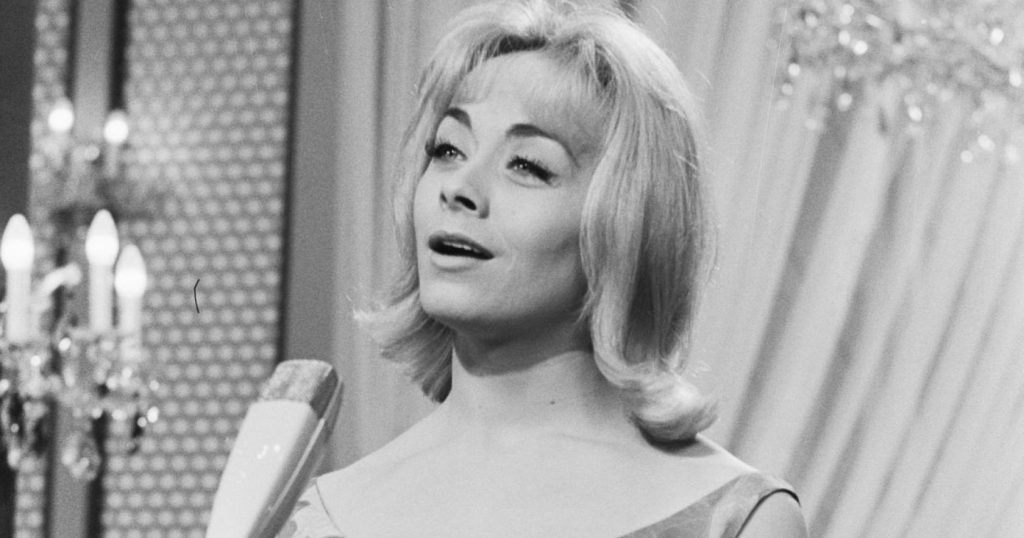
Eurovision 1962
Today the 7th edition of the annual Eurovision Song Contest 1962 took place in Luxembourg City, Luxembourg, following the country’s victory at the 1961 contest with the song Nous les amoureux by Jean-Claude Pascal. The contest was organised by the European Broadcasting Union (EBU) and host broadcaster Compagnie Luxembourgeoise de Télédiffusion (CLT), and was held at the Villa Louvigny on Sunday 18 March 1962 hosted by the Luxembourgish speaker Mireille Delannoy. This remains the last time that the final of the contest was not held on a Saturday, as since 1963 the final of the contest has consistently been held on a Saturday evening.
Sixteen countries participated in the contest – the same that took part the year before.
The winner was France with the song Un premier amour, performed by Isabelle Aubret, written by Roland Valade and composed by Claude Henri Vic. This was France’s third victory in the contest in just five years, having also won in 1958 and 1960. It was also the third consecutive winning song performed in French. For the first time in the contest’s history, Austria, Belgium, Netherlands and Spain all scored nul points.
Eurovision 1961
Tonight the 6th edition of the annual Eurovision Song Contest was once again held in the French seaside city of Cannes, having also hosted the 1959 edition. Organised by the European Broadcasting Union (EBU) and host broadcaster Radiodiffusion-Télévision Française (RTF), the contest was again held at the Palais des Festivals et des Congrès on Saturday 18 March 1961, becoming the first contest to take place on a Saturday evening, a tradition that has continued ever since (with the exception of 1962). The show was directed by Marcel Cravenne and again hosted by Jacqueline Joubert, who had also hosted in 1959.
Sixteen countries participated in the contest – three more than in the previous edition; Finland, Spain and Yugoslavia all competed for the first time this year.
The winner was Luxembourg with the song Nous les amoureux, performed by Jean-Claude Pascal, written by Maurice Vidalin, and composed by Jacques Datin, with the United Kingdom finishing in second place for the third consecutive year.
Eurovision 1960
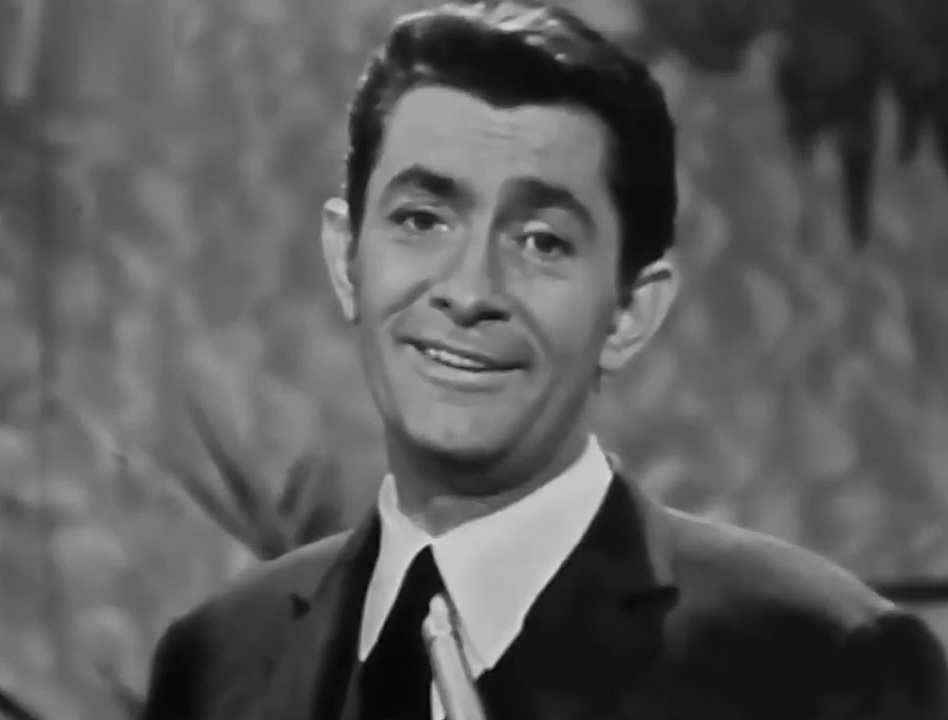
Today the fifth edition of the annual Eurovision Song Contest 1960 was held at the Royal Festival Hall in London, United Kingdom, and hosted by British television presenter and actress Catherine Boyle. Organised by the European Broadcasting Union (EBU) and host broadcaster the British Broadcasting Corporation (BBC), the United Kingdom was offered the rights to stage the contest after the Netherlands, which had won the 1959 contest, declined the opportunity after having organised the event in 1958.
Luxembourg returned to the competition after an absence of one year, and Norway made its first contest appearance, bringing the total number of participating countries to thirteen.
The winner was France with the song Tom Pillibi, performed by Jacqueline Boyer, composed by André Popp and written by Pierre Cour. This marked France’s second contest victory, having also won in 1958. The United Kingdom placed second for the second consecutive year and Monaco earned their first top three finish by placing third.
Eurovision 1959
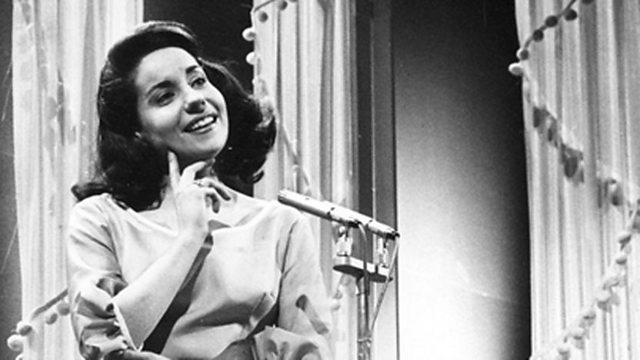
Tonight the fourth edition of the annual Eurovision Song Contest 1959 was held at the Palais des Festivals et des Congrès in Cannes, France, and hosted by French television presenter Jacqueline Joubert. Organised by the European Broadcasting Union (EBU) and host broadcaster Radiodiffusion-Télévision Française (RTF), the contest, originally known as the Grand Prix Eurovision de la Chanson Européenne 1959 (English: Grand Prix of the Eurovision Song Contest 1959), was held in France following the country’s victory at the 1958 contest with the song Dors, mon amour, performed by André Claveau.
In total eleven countries participated in the contest, with Monaco making its first appearance and the United Kingdom returning after their absence the previous year. Luxembourg, however, decided not to participate after competing in all former editions.
The winner was the Netherlands with the song Een beetje, performed by Teddy Scholten, composed by Dick Schallies and written by Willy van Hemert. This was the Netherlands’ second victory in the contest, having also won in 1957, and also marked the first time a country had won the contest more than once. Van Hemert also became the first individual to win twice, having also written the first Dutch winning song from 1957, Net als toen. The United Kingdom placed second, marking the first of a record sixteen times that the country would go on to finish as contest runners-up, while France placed third.
Eurovision 1958
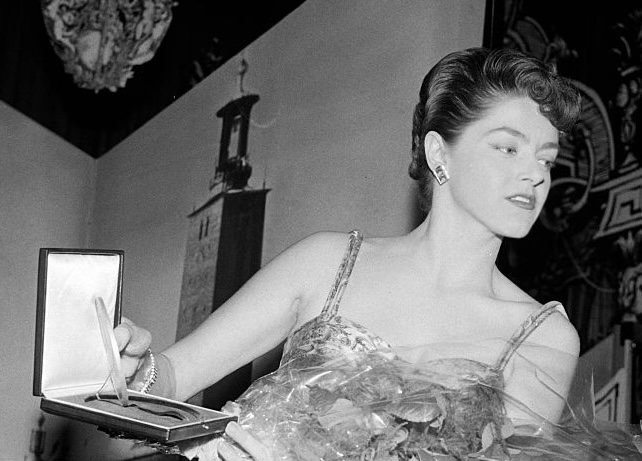
Today the third edition of the annual Eurovision Song Contest was held. Organised by the European Broadcasting Union (EBU) and host broadcaster Nederlandse Televisie Stichting(NTS), the contest, originally known as the Grand Prix Eurovision de la Chanson Européenne 1958 (English: Grand Prix of the Eurovision Song Contest 1958) was held on Wednesday 12 March 1958 at the AVRO Studios in Hilversum, the Netherlands and hosted by Dutch television presenter Hannie Lips. This marked the first time that the contest was hosted in the country of the preceding year’s winner, a tradition that has been continued ever since (with some exceptions).
Ten countries participated, equalling the number which took part the previous year; Sweden made its first appearance in the contest, while the United Kingdom decided not to participate.
The winner of the contest was France, represented by the song Dors mon amour performed by André Claveau, marking the first of five eventual wins for the country. Another entry however made a greater impact following the contest; the Italian entry, Nel blu, dipinto di blu performed by Domenico Modugno which had placed third, became a worldwide hit for Modugno, winning two Grammy Awards in 1959 and becoming a chart success in several countries.
 euro-vision.blog