
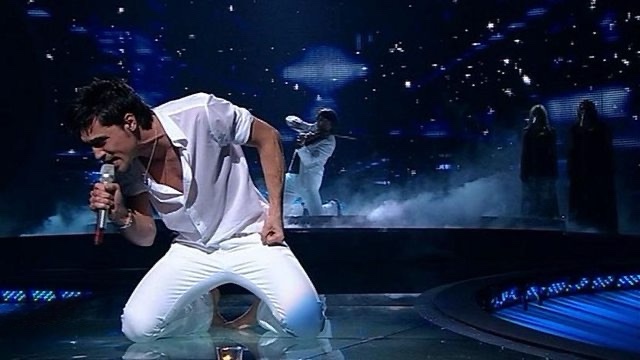
This week the 54th edition of the annual Eurovision Song Contest took place in Moscow, Russia, following the country’s victory at the 2008 contest with the song Believe by Dima Bilan. Organised by the European Broadcasting Union (EBU) and host broadcaster Channel One (C1R), the contest was held at the Olimpiysky Arena, and consisted of two semi-finals on 12 and 14 May, and a final on 16 May 2009. The semi-finals were presented by Russian model Natalia Vodianova and television presenter Andrey Malakhov, while the final was presented by Russian television presenter Ivan Urgant and former Russian contestant Alsou Abramova, becoming the first and to date only time that two different sets of presenters had hosted the semi-finals and finals.
Forty-two countries participated in the contest, down one from the record forty-three the year before. Slovakia returned to the contest for the first time since 1998, while San Marino did not enter due to financial issues. Latvia and Georgia originally announced their intention not to participate, but it was later stated by the EBU that both countries would participate. However, Georgia later decided to withdraw after the EBU rejected its selected song as being a breach of the contest’s rules.
Thirty-seven countries participated in one of the two semi-finals of the contest, with the Big Four countries (France, Germany, Spainand the United Kingdom) and the host (Russia) pre-qualified for the final. In addition to those pre-qualified, the final also included the ten selected countries from each semi-final, making a total of twenty-five participants.
A discussion on changes to the format of the 2009 Eurovision Song Contest had taken place at an EBU meeting in Athens, Greece in June 2008 where a proposal was made that could have resulted in the Big Four losing their automatic place in the final of the contest. However, it was confirmed that the Big Four countries would continue to automatically qualify for the final at the 2009 contest.
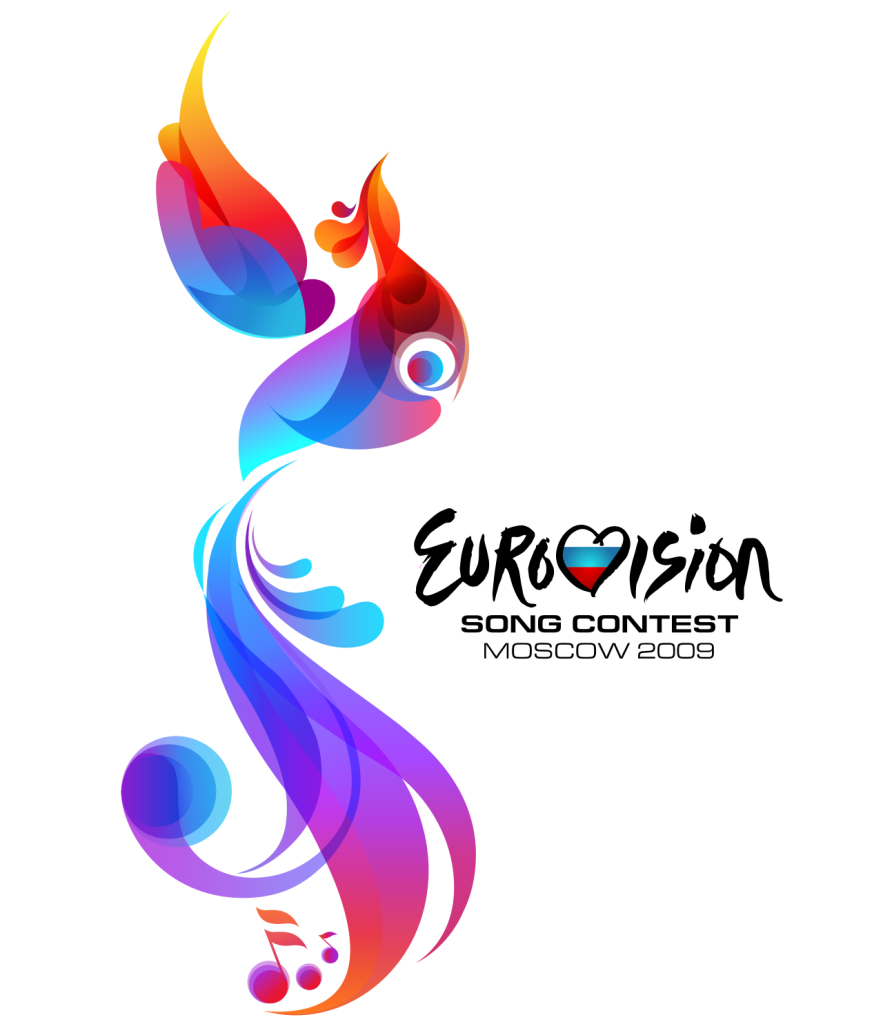
Host broadcaster Channel One presented the sub-logo and theme for the 2009 contest on 30 January 2009. The sub-logo is based upon a Fantasy Bird, which can be used with many colours. As in previous years, the sub-logo was presented alongside the generic logo. 2009 is the only year since 2002 without a slogan.
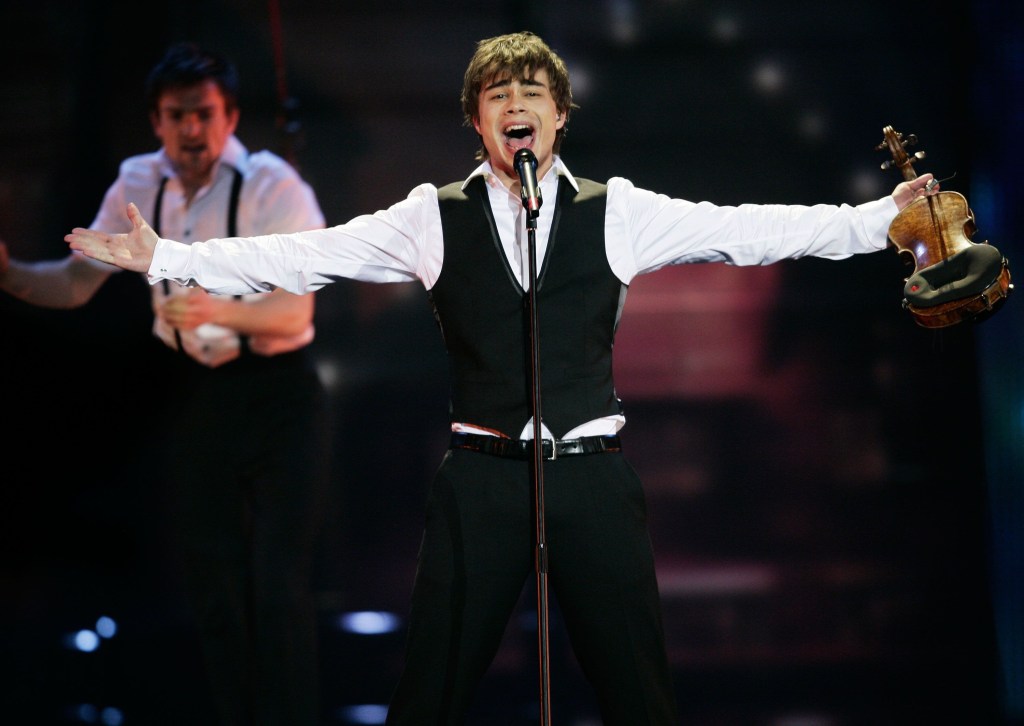
The winner was Norway with the song Fairytale, performed and written by Alexander Rybak. The song won both the jury vote and televote and received 387 points out of a possible 492, at the time the highest total score in the history of the contest. Iceland, Azerbaijan, Turkey and the United Kingdom rounded out the top five, with the latter achieving its best placing since 2002. Iceland’s second-place finish was the country’s best placing in a decade.
After criticism of the voting system in 2007, changes in the voting procedure were finally made prior to this contest, with the re-introduction of a national jury alongside televoting for the final, while the format of the semi-finals remained the same.
 euro-vision.blog