Eurovision 2000

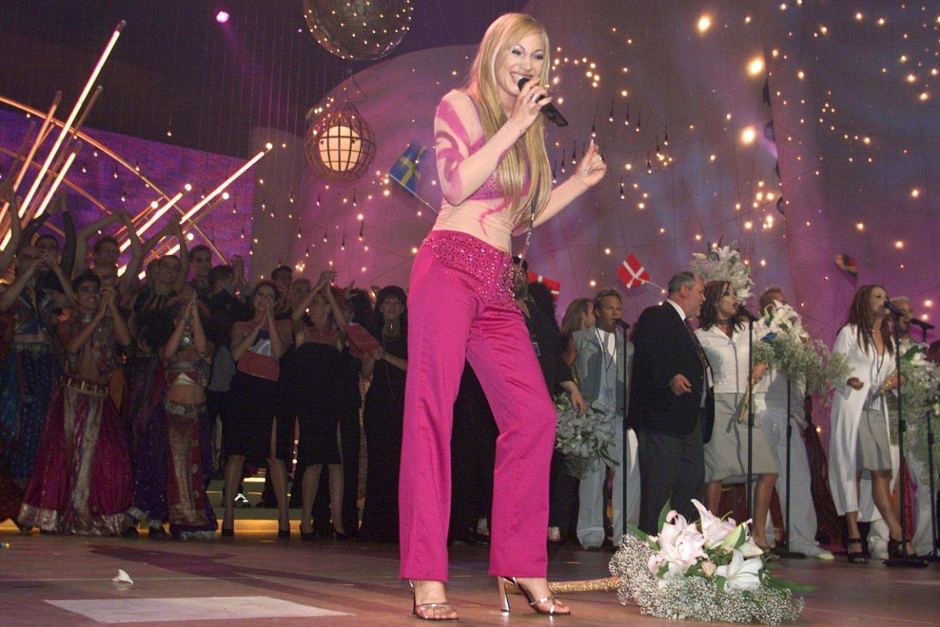
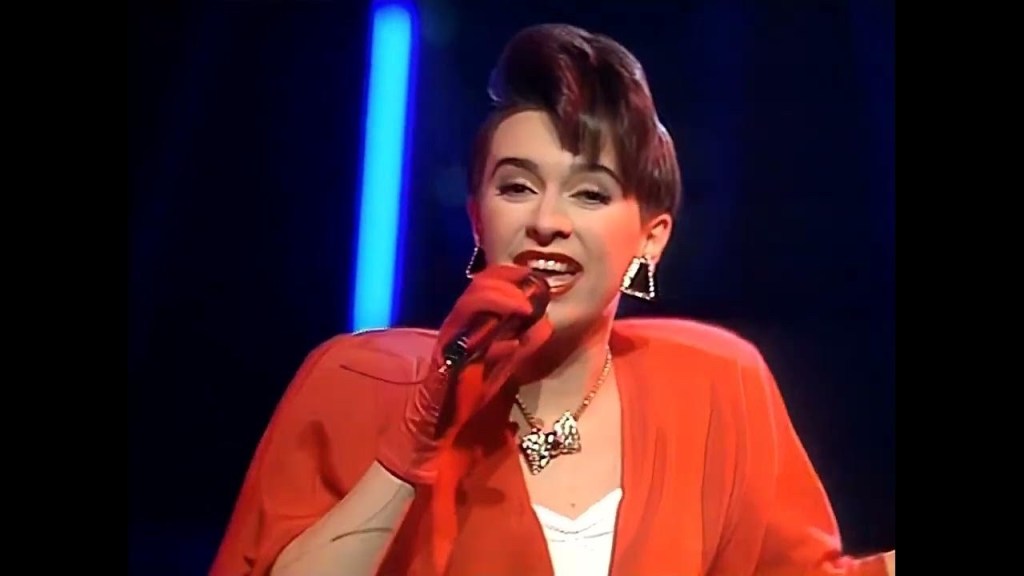
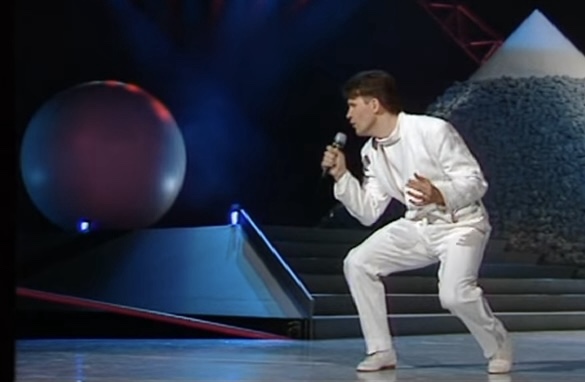
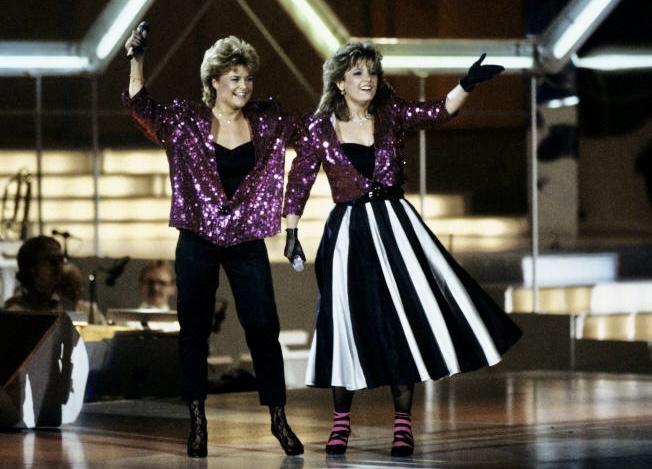
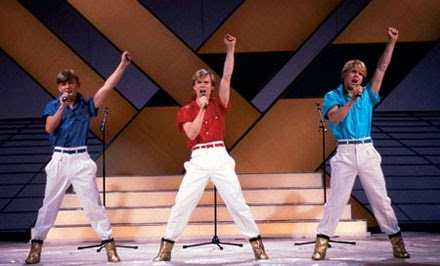
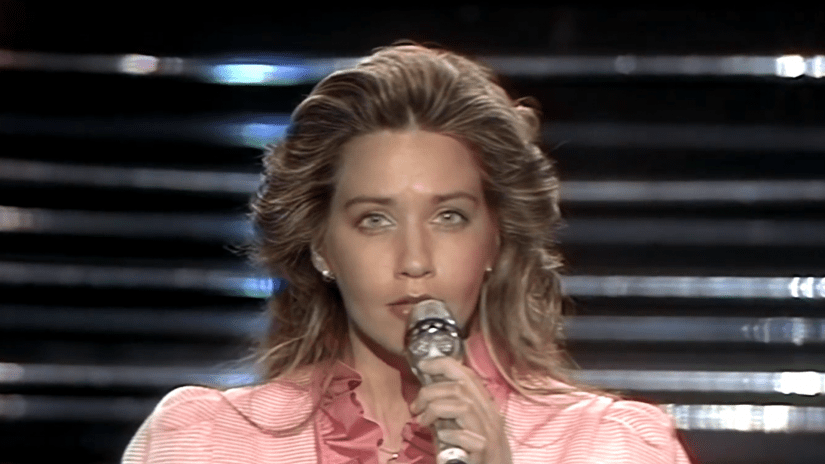
Today the 45th edition of the annual Eurovision Song Contest 2000 took place in Stockholm, Sweden, following the country’s victory at the 1999 contest with the song “Take Me to Your Heaven” by Charlotte Nilsson. Organised by the European Broadcasting Union (EBU) and host broadcaster Sveriges Television (SVT), the contest was held at the Globe Arena. The contest was presented by Swedish television presenters Kattis Ahlström and Anders Lundin.

Twenty-four countries took part in the contest. Latvia participated for the first time, while Slovakia, Greece and Hungary decided not to compete, citing financial reasons. Finland, Macedonia, Romania and Switzerland returned after their relegation from the previous edition. Russia also returned, after their last participation in 1997. Meanwhile, Bosnia and Herzegovina, Lithuania, Poland, Portugal and Slovenia were relegated due to having the lowest average scores over the previous five editions.

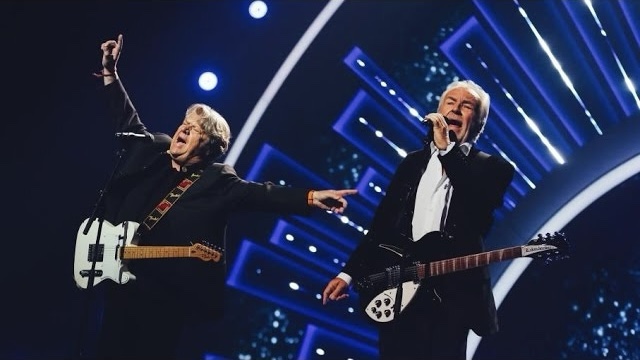
The winner was Denmark with the song “Fly on the Wings of Love”, performed by the Olsen Brothers and written by the oldest brother Jørgen Olsen. This was Denmark’s second victory in the contest, following their win in 1963 almost 4 decades earlier. Russia, Latvia, Estonia and Germany rounded out the top five. Both Russia and Estonia achieved their best result in the contest up to this point, while Latvia achieved the best placing for a debuting country since Poland’s second-place finish in 1994. On the day of their victory, Jørgen Olsen was 50 years and 61 days of age, making him the oldest artist yet to win the contest. The combined ages of the Olsen Brothers make them the oldest aged act ever to win the contest.

Sponsored by Microsoft, the contest was also broadcast in Australia, Canada, Japan, the United States, and via the Internet for the first time.

In the Netherlands, NOS decided to take the contest off air halfway through because of the Enschede fireworks disaster that happened earlier that day, so it could use the channel for continuous news broadcasts. Later, NOS declared that it was both for practical reasons as well as because they found it “inappropriate to broadcast a light entertainment programme on the night of such a catastrophic event”. As a result, televoting had to be suspended and the Dutch votes were given by a stand-by jury instead. The contest was later rebroadcast in full on 12 June 2000.

Today was a warm, almost tropical day in the Netherlands. We spent the day on the beach in Den Helder and heard about the fireworks disaster on our little transistor radio. In the evening, back home in Almere, we continued to watch the broadcast via the BBC, after the NOS took the contest off the air.
Eurovision 1999

Today the 44th edition of the annual Eurovision Song Contest 1999 was held at the International Convention Centre in Jerusalem, Israel. Organised by the European Broadcasting Union(EBU) and host broadcaster Israel Broadcasting Authority (IBA), the contest was held in the country following its victory at the 1998 contest with the song Diva by Dana International, and was presented by Dafna Dekel, Yigal Ravid and Sigal Shachmon.

Twenty-three countries participated in the contest. Finland, Greece, Hungary, Macedonia, Romania, Slovakia, and Switzerland, having participated in the 1998 contest, were absent due to being relegated after achieving the lowest average points totals over the past five contests or by actively choosing not to return. Meanwhile Austria, Bosnia and Herzegovina, Denmark, and Iceland returned to the contest, having last participated in 1997, while Lithuania made its first contest appearance since 1994.

For the first time since the 1976 contest the participants had full freedom to perform in any language, and not simply that of the country they represented. This led to a marked increase in the number of entries which were performed in English. Additionally, the rules were modified to make the orchestra a non-obligatory feature of the contest of which organising broadcasters were free to opt out. IBA chose not to provide an orchestra, with all entries subsequently being performed with backing tracks, and no orchestra has been included as part of the competition since.

The winner was Sweden with the song Take Me to Your Heaven, composed by Lars Diedricson, written by Gert Lengstrand and performed by Charlotte Nilsson. Iceland, Germany, Croatia, and Israel rounded out the top five, with Iceland achieving its best ever result and Croatia equalling its previous best.

Eurovision 1998

Today the 43rd edition of the annual Eurovision Song Contest 1998 took place at the National Indoor Arena in Birmingham, United Kingdom. Organised by the European Broadcasting Union (EBU) and host broadcaster the British Broadcasting Corporation (BBC) and presented by Terry Wogan and Ulrika Jonsson, the contest was held in the United Kingdom following the country’s victory at the 1997 contest with the song Love Shine a Light by Katrina and the Waves.

Twenty-five countries participated in the contest. Six participating countries in the 1997 edition were absent, with Austria, Bosnia and Herzegovina, Denmark, Iceland and Russia relegated due to achieving the lowest average points totals over the previous five contests and Italy actively choosing not to participate. These countries were replaced by Macedoniain its first contest appearance, and previously relegated and absent countries Belgium, Finland, Israel, Romania and Slovakia.

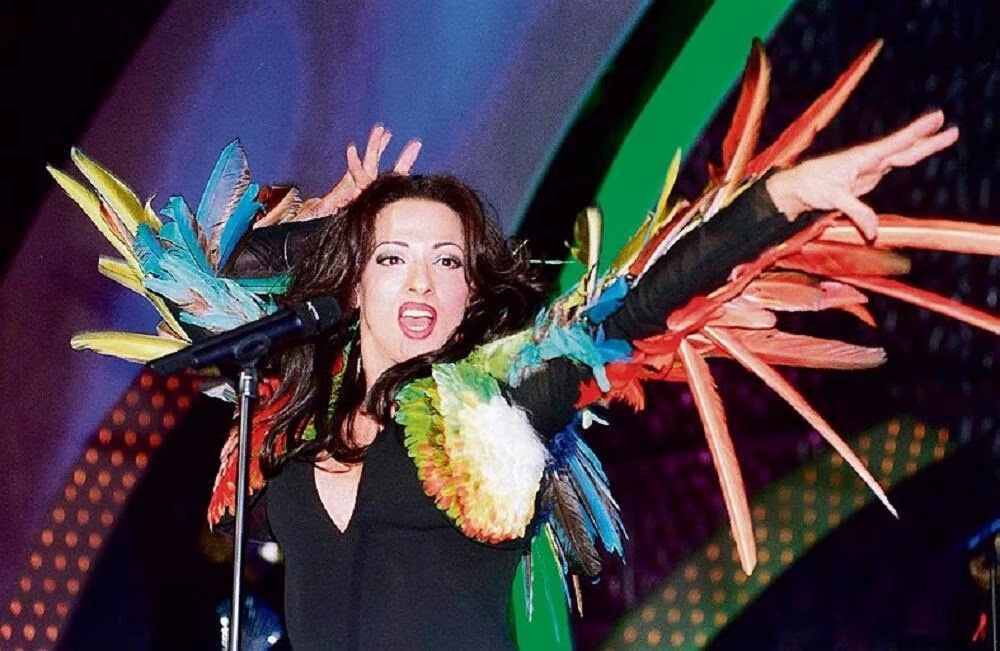
The winner was Israel with the song Diva, composed by Svika Pick, written by Yoav Ginai and performed by Dana International. The United Kingdom, Malta, the Netherlands and Croatia rounded out the top five. Dana International was the contest’s first openly transgender participant and became the contest’s first openly LGBTQ+ winning artist; however, her participation for Israel was controversial among sections of Israeli society and resulted in opposition and death threats against her in the run-up to the contest.

It was the first contest in which the results were determined predominantly through televoting, and would become the last contest in which all participants were required to perform in the language of their country and the last to feature an orchestra and live music accompaniment for the competing entries.

Eurovision 1997

The Eurovision Song Contest 1997 was the 42nd edition of the annual Eurovision Song Contest, held on 3 May 1997 at the Point Theatre in Dublin, Ireland. Organised by the European Broadcasting Union (EBU) and host broadcaster Radio Telefís Éireann (RTÉ) and presented by Carrie Crowley and Ronan Keating, the contest was held in Ireland following the country’s victory at the 1996 contest with the song The Voice by Eimear Quinn. The 1997 contest was the seventh – and to date last – edition to be staged in Ireland, as well as the fourth to be produced by RTÉ in five years. The Point Theatre served as the host venue for the third time, following the 1994 and 1995 contests, becoming the only venue to have been the site of three Eurovision Song Contests.

Twenty-five countries participated in the contest, with a new relegation system introduced to determine which nations could participate, based on each country’s average points total in previous contests. Italy made its first appearance since 1993, and Denmark, Germany, Hungary and Russia returned after last competing in 1995, having been prevented from competing the previous year after failing to progress from that event’s qualifying round. Belgium, Finland and Slovakia, participants in the previous year’s contest, were unable to return after being excluded by the new relegation rules.

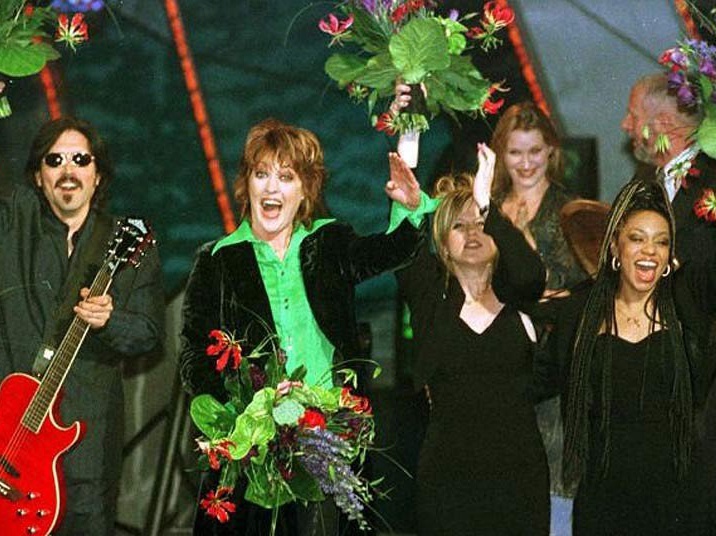
The winner was the United Kingdom with the song Love Shine a Light, written by Kimberley Rew and performed by Katrina and the Waves. Ireland, Turkey, Italy and Cyprus rounded out the top five, with Ireland earning their fifth placing in the top two within six years and Turkey and Cyprus achieving their best results to date. Five of the competing countries used televoting to determine their points, allowing the general viewing public a say in the results for the first time; following this successful trial all countries were encouraged to use this system starting from the following year’s event. Entries were also permitted for the first time to feature no live music accompaniment, with each performance being able to use only a backing track rather than utilising any part of the orchestra or any live instrumentation from the performers themselves.

The 1997 event would prove to be a watershed for the contest, with many aspects of this event leaving a lasting impact on future editions of Eurovision. These included: the first openly LGBT artist, Iceland’s Paul Oscar, selected to compete in the event; changes to contest rules led to the abandonment of live musical accompaniment in future events; a successful trial of televoting in five countries led to widespread adoption for all countries in 1998.

Eurovision 1996

The Eurovision Song Contest 1996 was the 41st edition of the Eurovision Song Contest, held on 18 May 1996 at the Oslo Spektrum in Oslo, Norway. Organised by the European Broadcasting Union (EBU) and host broadcaster Norsk rikskringkasting (NRK) and presented by Ingvild Bryn and Morten Harket, the contest was held in Norway following the country’s victory at the 1995 contest with the song Nocturne by Secret Garden.

Thirty countries submitted entries to the contest, with a non-public, audio-only qualifying round held two months before the final to reduce the number of participants from 30 to 23. The entries from Denmark, Germany, Hungary, Israel, Macedonia, Romania, and Russia were subsequently eliminated, which resulted in Germany being absent from the contest for the first time.

The winner was Ireland with the song The Voice, written by Brendan Graham and performed by Eimear Quinn. This gave the nation a record-extending seventh contest win, their fourth win in five years, with Graham also recording his second win as a songwriter in three years after having written the winning song at the 1994 contest. Norway, Sweden, Croatia, and Estonia took the remaining places in the top five, with Croatia, Estonia, and Portugal, which placed sixth, achieving their best results to date. This was the final contest where the results were determined solely by jury voting, with a trial use of televoting in the following year’s event leading to widespread adoption from 1998 onwards.

Eurovision 1995

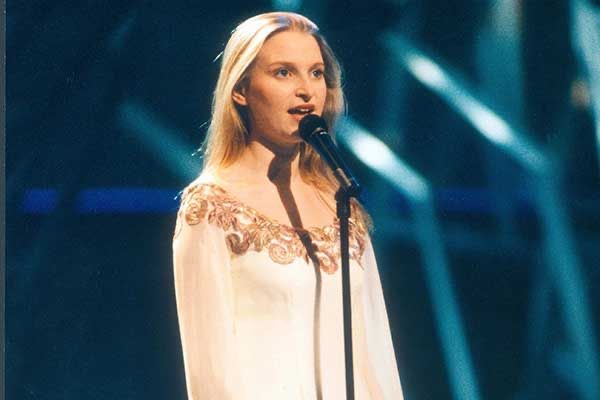
Tonight the 40th edition of the annual Eurovision Song Contest was the 40th edition of the Eurovision Song Contest, held on 13 May 1995 at the Point Theatre in Dublin, Ireland. Organised by the European Broadcasting Union (EBU) and host broadcaster Radio Telefís Éireann (RTÉ), and presented by Mary Kennedy, the contest was held in Ireland following the country’s victory at the 1994 contest with the song Rock ‘n’ Roll Kids by Paul Harrington and Charlie McGettigan. It was the third consecutive contest to be held in Ireland – the first and only time in the history of the event that a country has hosted three editions in a row – and the second consecutive edition to be held in the Point Theatre in Dublin.

Twenty-three countries participated in the contest; Estonia, Finland, Lithuania, the Netherlands, Romania, Slovakia, and Switzerland were relegated as the lowest-scoring countries in the previous edition, getting replaced by Belgium, Denmark, Israel, Slovenia, and Turkey, returning after being relegated following the 1993 edition.

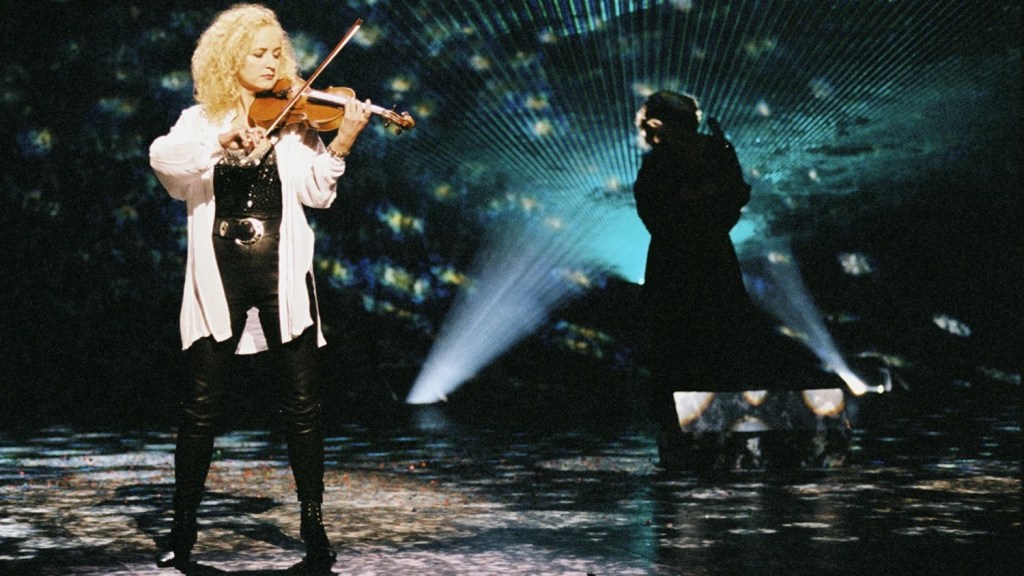
The winner was Norway with the song Nocturne, composed by Rolf Løvland, written by Petter Skavlan and performed by Secret Garden. Spain, Sweden, France, and Denmark rounded out the top five, with Spain achieving their best result since 1979. Croatia and Slovenia also achieved their best results so far, placing sixth and seventh respectively, while Germany finished in last place for the fourth time.

Eurovision 1994

Yesterday the 39th edition of the annual Eurovision Song Contest was held on 30 April 1994 at the Point Theatre in Dublin, Ireland. Organised by the European Broadcasting Union (EBU) and host broadcaster Radio Telefís Éireann (RTÉ), and presented by Cynthia Ní Mhurchú and Gerry Ryan, the contest was held in Ireland following the country’s victory at the 1993 contest with the song In Your Eyes by Niamh Kavanagh. It was the first time that any country had hosted two successive editions of the contest, following the previous year’s contest held in Millstreet.

Twenty-five countries participated in the contest, which for the first time featured a relegation system to reduce the number of interested participating countries. Seven new countries participated in the event, with entries from Estonia, Hungary, Lithuania, Poland, Romania, Russia and Slovakia featuring for the first time. However, Belgium, Denmark, Israel, Luxembourg, Slovenia and Turkey were unable to compete due to the new relegation rules as the lowest-scoring countries at the previous event, whereas Italy decided against participating by choice.

Ireland won the contest for the third year in a row, represented by the song Rock ‘n’ Roll Kids, written by Brendan Graham and performed by Paul Harrington and Charlie McGettigan. It was the first – and as of 2023 only – time that a country had won the event on three consecutive occasions, and was a record sixth win for Ireland, confirming it as the contest’s most successful nation at that point by number of wins. Poland, Germany, Hungary and Malta rounded out the top five positions, with Poland achieving the most successful result for a début entry in the contest’s history.

The 1994 contest also featured the first appearance of Riverdance. Originally a seven-minute performance of traditional Irish and modern music, choral singing and Irish dancingfeatured as part of the contest’s interval act, it was subsequently developed into a full stage show which has since become a worldwide phenomenon and catapulted the careers of its lead dancers Jean Butler and Michael Flatley.

Eurovision 1993

Yesterday the 38th edition of the annual Eurovision Song Contest was held on 15 May 1993 at the Green Glens Arena in Millstreet, Ireland. Organised by the European Broadcasting Union (EBU) and host broadcaster Radio Telefís Éireann (RTÉ), and presented by Fionnuala Sweeney, the contest was held in Ireland following the country’s victory at the 1992 contest with the song Why Me? by Linda Martin.

Twenty-five countries participated in the contest – the largest event yet held. Twenty-two of the twenty-three countries that had participated in the previous year’s event returned, with Yugoslavia prevented from competing following the closure of its national broadcaster and the placement of sanctions against the country as a response to the Yugoslav Wars. In response to an increased interest in participation from former Eastern Bloc countries following the collapse of communist regimes, three spaces in the event were allocated to first-time participating countries, which would be determined through a qualifying competition. Held in April 1993 in Ljubljana, Slovenia, Kvalifikacija za Millstreet featured entries from seven countries and resulted in the entries from the former Yugoslav republics of Bosnia and Herzegovina, Croatia and Slovenia progressing to the contest in Millstreet.

For the second year in a row, the winner was Ireland with the song In Your Eyes, written by Jimmy Walsh and performed by Niamh Kavanagh. The United Kingdom, Switzerland, France, and Norway completed the top five, with the United Kingdom achieving their second consecutive runner-up placing. Ireland achieved their fifth victory in the contest, matching the overall record held by France and Luxembourg, and joined Israel, Luxembourg and Spain as countries with wins in successive contests.

Eurovision 1992

Yesterday the 37th edition of the annual Eurovision Song Contest was held on 9 May 1992 at the Malmö Isstadion in Malmö, Sweden. Organised by the European Broadcasting Union (EBU) and host broadcaster Sveriges Television (SVT), and presented by Lydia Capolicchio and Harald Treutiger, the contest was held in Sweden following the country’s victory at the 1991 contest with the song Fångad av en stormvind by Carola.

Twenty-three countries participated in the contest – a new record number of participating countries – with the Netherlands returning to the contest following a one-year break to join the twenty-two countries which had participated in the previous year’s event.

The winner was Ireland with the song Why Me, written by Johnny Logan and performed by Linda Martin. This marked Ireland’s fourth contest win, and brought songwriter Logan his third win overall, having previously won the contest in 1980 as singer and in 1987 as both singer and songwriter. The United Kingdom, Malta, Italy, and Greece also placed in the top five, with the United Kingdom recording its thirteenth second-place position and Malta and Greece achieving their best ever results in the contest.
Eurovision 1991

Today the 36th edition of the annual Eurovision Song Contest was held at Stage 15 of the Cinecittà Studios in Rome, Italy. Organised by the European Broadcasting Union (EBU) and host broadcaster Radiotelevisione italiana (RAI), and presented by Gigliola Cinquetti and Toto Cutugno, the contest was held in Italy following the country’s victory at the 1990 contest with the song “Insieme: 1992” by Toto Cutugno.

Twenty-two countries participated in the event: Malta made its first Eurovision Song Contest appearance in sixteen years, having last participated in 1975, while the Netherlands decided not to participate due to the date of this year’s event coinciding with the country’s annual Remembrance of the Dead commemorations. It was also the first time that Germany was represented as a single state following the reunification of East and West Germany.

For the first time since 1969 the contest resulted in a draw for first place, with both France and Sweden being awarded the same number of points. The contest’s tie-break procedure was implemented for the first time in its history, which resulted in Sweden being declared the winner due to their entry, “Fångad av en stormvind”, written by Stephan Berg and performed by Carola, having received a greater number of top scores from the other competing countries than the French entry; it was Sweden’s third contest victory overall. Alongside France, Israel, Spain and Switzerland rounded out the top five countries.

Eurovision 1990

Today the 35th edition of the annual Eurovision Song Contest was held in the Vatroslav Lisinski Concert Hall in Zagreb, Yugoslavia. Organised by the European Broadcasting Union(EBU) and host broadcaster Radiotelevizija Zagreb (RTV Zagreb) on behalf of Jugoslavenska radiotelevizija (JRT), and presented by Oliver Mlakar and Helga Vlahović, the contest was held in Yugoslavia following the country’s victory at the 1989 contest with the song Rock Me by the group Riva. It was the first contest to be held in the Balkans and the first to be held in a socialist state.

Twenty-two countries participated in the contest, with the same countries that had participated in 1989 returning. The 1990 contest was the first to implement an age limit on the competing performers, following criticism of the participation of two child performers in the previous year’s event; all artists were now required to reach the age of sixteen within the year of the contest.

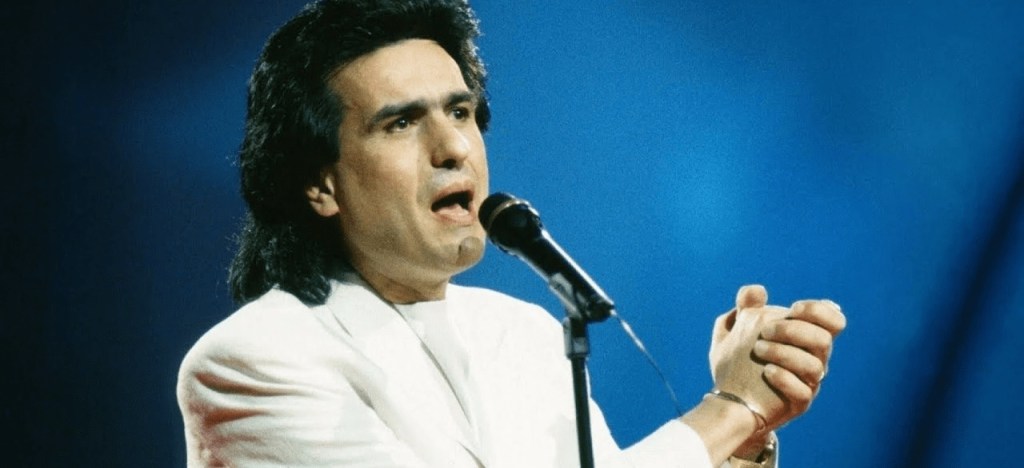
The winner was Italy for the second time in its history, with the song Insieme: 1992, written and performed by Toto Cutugno. France and Ireland shared second place, with Iceland and Spain rounding out the top five countries. France and Spain both placed within the top 5 for the first time in several years, while Iceland recorded their best ever result.

Eurovision 1989

This evening the 34th edition of the annual Eurovision Song Contest was held on 6 May 1989 in the Palais de Beaulieu in Lausanne, Switzerland. Organised by the European Broadcasting Union (EBU) and host broadcaster Télévision suisse romande (TSR) on behalf of the Swiss Broadcasting Corporation (SRG SSR), and presented by Jacques Deschenaux and Lolita Morena, the contest was held in Switzerland following the country’s victory at the 1988 contest with the song Ne partez pas sans moi by Céline Dion.

Each participating broadcaster submitted one song, which was required to be no longer than three minutes in duration and performed in the language, or one of the languages, of the country which it represented. A maximum of six performers were allowed on stage during each country’s performance. Each entry could utilise all or part of the live orchestra and could use instrumental-only backing tracks, however any backing tracks used could only include the sound of instruments featured on stage being mimed by the performers.

The results of the 1989 contest were determined through the same scoring system as had first been introduced in 1975: each country awarded twelve points to its favourite entry, followed by ten points to its second favourite, and then awarded points in decreasing value from eight to one for the remaining songs which featured in the country’s top ten, with countries unable to vote for their own entry. The points awarded by each country were determined by an assembled jury of sixteen individuals, who were all required to be members of the public with no connection to the music industry, split evenly between men and women and by age. Each jury member voted in secret and awarded between one and ten votes to each participating song, excluding that from their own country and with no abstentions permitted. The votes of each member were collected following the country’s performance and then tallied by the non-voting jury chairperson to determine the points to be awarded. In any cases where two or more songs in the top ten received the same number of votes, a show of hands by all jury members was used to determine the final placing.

Partly due to the close result at the previous year’s event, the tie-break procedure, to determine a single winner should two or more countries finish in first place with the same number of points, was modified. For the 1989 event and for future contents an analysis of the tied countries’ top marks would be conducted, with the country that received the most 12 point scores being declared the winner. If a tie for first place remained then the country with the most 10 points would be crowned the winner. Should two or more countries still remain tied for first place after analysing both 12 and 10 point scores then the tying countries would be declared joint winners.

Twenty-two countries participated in the contest, with Cyprus returning after a one-year absence. Among the participating artists were the two youngest artists to have ever participated in the contest, 12-year-old Gili Netanel and 11-year-old Nathalie Pâquerepresenting Israel and France respectively; the inclusion of the young performers led to some controversy in the run-up to the event.

The winner was Yugoslavia with the song Rock Me, composed by Rajko Dujmić, written by Stevo Cvikić and performed by the group Riva. This was Yugoslavia’s first contest victory in twenty-four attempts. The United Kingdom, Denmark, Sweden and Austria rounded out the top five positions; the UK and Denmark placed second and third for a second consecutive year, and Austria finished in the top five for the first time since 1976. Finland gained their best result since 1975, while Ireland and Iceland achieved their worst ever placings to date, placing eighteenth and twenty-second respectively, with Iceland ultimately earning nul points and coming last for the first time.

Eurovision 1988

Today the 33rd edition of the annual Eurovision Song Contest took place in Dublin, Ireland, following Johnny Logan’s win at the 1987 contest with the song Hold Me Now. Organised by the European Broadcasting Union (EBU) and host broadcaster Radio Telefís Éireann (RTÉ), the contest was held at the RDS Simmonscourt and was hosted by Irish broadcaster Pat Kenny and the Miss Ireland 1980 Michelle Rocca, marking the first time since the 1979 contest that two presenters had hosted the contest.

Twenty-one countries took part, after an initial plan of twenty-two, as Cyprus’ song was disqualified for breaching the contest’s rules by being published a few years earlier, in an attempt to represent the country at a prior edition of the contest. The Cypriot song had been drawn to be performed 2nd in the running order.

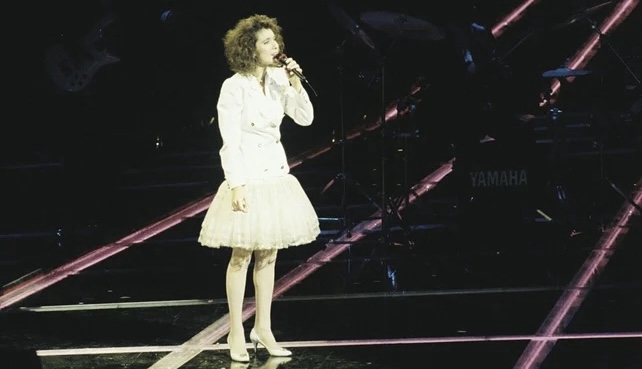
The contest helped launch an international career for two now world-famous artists, the winner for Switzerland Céline Dion and Luxembourg’s representative Lara Fabian. Canadian Céline Dion was a rising star in the French-speaking world at the time of the contest. Shortly afterwards she started recording songs in English to great worldwide success. As Dion, Belgian-Canadian Lara Fabian also achieved a successful career after the contest with becoming established in various countries worldwide, with a mainly French-sung repertoire. The UK entry was written and composed by Julie Forsyth, the daughter of the entertainer Bruce Forsyth who was present. When interviewed afterwards he was particularly annoyed at the Dutch jury not having given a vote to the UK, as they had done some work there.

The winner was Switzerland with the song Ne partez pas sans moi, performed by Canadian singer Céline Dion and composed by Atilla Şereftuğ with lyrics in French by Nella Martinetti. Switzerland beat the United Kingdom by just one point in the last vote to win the title. The victory helped launch Dion’s international career, subsequently leading her to become one of the best-selling artists of all time.

Eurovision 1987

Today the 32nd edition of the annual Eurovision Song Contest took place in Brussels, Belgium, following the country’s victory at the 1986 contest with the song “J’aime la vie” by Sandra Kim. Organised by the European Broadcasting Union (EBU) and host broadcaster Radio-télévision belge de la Communauté française(RTBF), the contest was held at the Centenary Palace on 9 May 1987 (also Europe Day) and hosted by French-Belgian singer Viktor Lazlo.

By 1986, Belgium has participated in the Eurovision Song Contest 30 times since making its debut at the first contest in 1956 along 6 other countries. Before Sandra Kim’s win, Belgium was the only one of the 7 founding countries to have never won the contest and had only twice finished in the top five (with Tonia’s fourth place in 1966 and Jean Vallée’s second place in 1978).

Twenty-two countries took part in the contest with Greece and Italy returning to the competition after their absences the previous year. This set the record for the highest number of competing countries up until that point.

The winner was Ireland with the song “Hold Me Now” by Johnny Logan, who had also won the 1980 contest. He was the first performer to have won the Eurovision Song Contest twice.

Eurovision 1986

Tonight the 31st edition of the annual Eurovision Song Contest 1986 was held in Bergen, Norway, following the country’s victory at the 1985 contest with the song “La det swinge” by Bobbysocks! Organised by the European Broadcasting Union (EBU) and host broadcaster Norsk rikskringkasting (NRK), the contest was held at Grieghallen and was hosted by previous Norwegian contestant Åse Kleveland.

Twenty countries took part in this year’s contest with Greece and Italy deciding not to participate and Yugoslavia and Netherlands returning. Iceland also competed for the first time this year.

Iceland competed for the first time, as the national broadcaster RÚV had finally cemented their satellite television connections with the rest of Europe.

Greece withdrew, as the contest coincided with Holy Saturday on the Eastern Orthodox Church liturgical calendar. Their entry would have been “Wagon-lit” (Βάγκον λι), performed by Polina, who was backing vocalist of Elpida at the 1979 contest (Elpida represented Cyprus this year). Prior to their withdrawal, they were set to be 18th in the running order between Sweden and Denmark. Italian broadcaster RAI, on the other hand, decided not to send any delegation to Bergen.

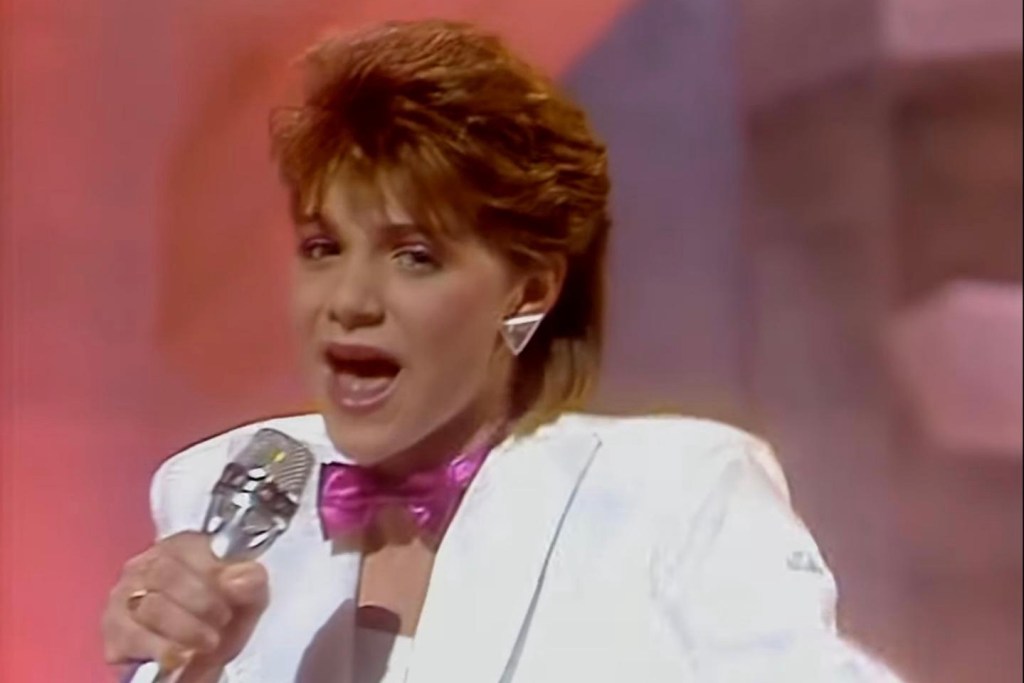
The winner was Belgium with the song “J’aime la vie” by Sandra Kim. Belgium was the last of the original 7 countries that had competed in the very first contest to win. Aged 13, Kim was the youngest ever Eurovision winner. Current rules require Eurovision Song Contest participants to be at least 16, so unless the rule is changed, Kim’s record will never be broken. In the lyrics of her song, Kim claimed to be 15 years of age, but after the contest, it was revealed that she was actually 13. Switzerland, who finished second, appealed for her to be disqualified, but was not successful.

The 1986 contest was a first for Eurovision in that royalty were among the guests—Crown Prince Harald, Crown Princess Sonja, Princess Märtha Louise and Prince Haakon Magnus were all in attendance.

Eurovision 1985

Today the 30th edition of the annual Eurovision Song Contest 1985 took place in Gothenburg, Sweden, following the country’s victory at the 1984 contest with the song Diggi-Loo Diggi-Ley by Herreys.

Organised by the European Broadcasting Union(EBU) and the host broadcaster Sveriges Television (SVT), the contest was held at the Scandinavium on 4th May 1985. It was hosted by previous Swedish contestant Lill Lindfors.

The Netherlands was absent in 1985 due to the date of the contest coinciding with the Dutch Remembrance of the Dead.

Nineteen countries participated in the contest, with Norway winning the contest for the first time with La det swinge by Bobbysocks!

Eurovision 1984

Tonight the 29th edition of the annual Eurovision Song Contest took place in Luxembourg City, Luxembourg, following the country’s victory at the 1983 contest with the song Si la vie est cadeau by Corinne Hermes. Organised by the European Broadcasting Union (EBU) and host broadcaster Radio Télévision Luxembourg(RTL), the contest was held at the Théâtre Municipal on 5 May 1984 and was hosted by Luxembourgish multimedia personality Désirée Nosbusch, who was only 19 years at the date, making her the youngest presenter in adult Eurovision history.

Nineteen countries took part in the contest. Israel did not enter due to it conflicting with the country’s Yom HaZikaron holiday again. Greece was also absent. On the other hand, Ireland, who had not participated the previous year, returned this year.

The winner was Sweden with the song Diggi-Loo Diggi-Ley performed by Herreys. This was the first winning song in Swedish, as ABBA had performed Waterloo in English when they won in 1974. Richard and Louis Herrey became the first teenage males to win Eurovision and as of 2023 remain the youngest ever adult Eurovision male winners, being 19 years and 260 days and 18 years and 184 days of age respectively.

Eurovision 1983

Today the 28th edition of the annual Eurovision Song Contest was held in Munich, West Germany, following the country’s victory at the 1982 contest with the song Ein bißchen Frieden by Nicole. Although this was Germany’s first victory, 1983 was the second time Germany had hosted the contest, having previously done so in 1957. Organised by the European Broadcasting Union (EBU) and host broadcaster Bayerischer Rundfunk (BR) on behalf of the Arbeitsgemeinschaft der öffentlich-rechtlichen Rundfunkanstalten der Bundesrepublik Deutschland (ARD), the contest was held at the Rudi-Sedlmayer-Halleon and was hosted by German dancer Marlene Charell.

Twenty countries took part this year, with France, Greece and Italy all returning this year, while Ireland decided not to participate.

The winner was Luxembourg with the song Si la vie est cadeau by Corinne Hermes, which equalled the record of 5 victories set by France in 1977. This record would in turn be beaten by Ireland in 1994. It was also the second year in a row where the winning entry was performed last on the night and the second year in a row in which Israel won 2nd place. For the third year in a row, at least one country ended up with nul points, and in this case, it happened to be two countries, Spain and Turkey, neither of whom were able to get off the mark.

The 1983 contest was the first to be televised in Australia, via Channel 0/28 (now the Special Broadcasting Service) in Sydney and Melbourne. The contest went on to become popular in Australia, leading to the country’s eventual debut at the 60th anniversary contestin 2015.

Eurovision 1982

Today the 27th edition of the annual Eurovision Song Contest 1982 took place in Harrogate, United Kingdom, following the country’s victory at the 1981 contest with the song Making Your Mind Up by Bucks Fizz. Organised by the European Broadcasting Union (EBU) and host broadcaster British Broadcasting Corporation(BBC), the contest was held at the Harrogate International Centre and was hosted by English TV presenter and newsreader Jan Leeming.

Eighteen countries took part in the contest with Greece deciding not to enter this year. Due the downsizing of their national broadcasters, France lost the rights to participating at the contest and so was also forced to withdraw.

The winner was Germany with the song Ein bißchen Frieden by Nicole. This was the first time that Germany had won the contest after having competed every year since the contest’s inception. Germany received 1.61 times as many points as runner-up Israel, which was a record under the current scoring system until 2009, when Norway received 1.78 times as many points as Iceland. The song also cemented Ralph Siegel and Bernd Meinunger, the song’s composers, into German Eurovision tradition, writing 18 Eurovision songs between them before and after “Ein bißchen Frieden”, 13 of which were for Germany.

Eurovision 1981

On this day the 26th edition of the annual Eurovision Song Contest was held in Dublin, Ireland, following the country’s victory at the 1980 contest with the song “What’s Another Year” by Johnny Logan. Organised by the European Broadcasting Union (EBU) and host broadcaster Radio Telefís Éireann (RTÉ), the contest was held at the RDS Simmonscourt and was hosted by Irish television journalist Doireann Ní Bhriain.

Twenty countries participated in the contest, equalling the record of the 1978 edition. Cyprus made their début this year, while Israel and Yugoslavia both returned to the competition, after their one-year and five-year absences, respectively. Morocco and Italy decided not to participate.

The winner was the United Kingdom with the song Making Your Mind Up, performed by Bucks Fizz, written by Andy Hill and John Danter. Germany finished second for the second consecutive year, while France finished third. Norway again finished last, with its third nul points in the contest.

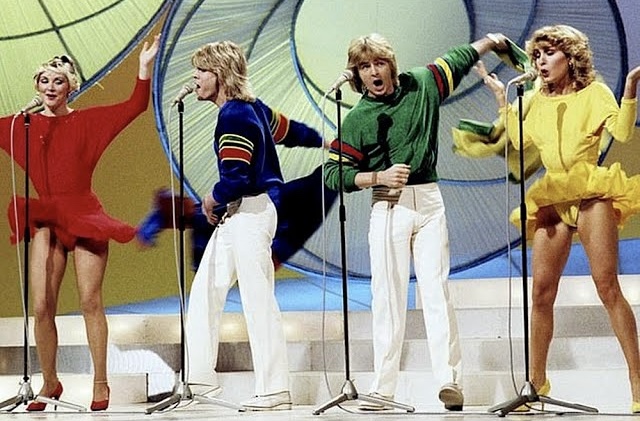
Bucks Fizz’s win launched the group’s hugely successful international career. Their performance on the Eurovision stage included a dance-routine where the two male members ripped the skirts off the two female members only to reveal mini-skirts, and today stands as one of the most defining moments in the contest’s history.