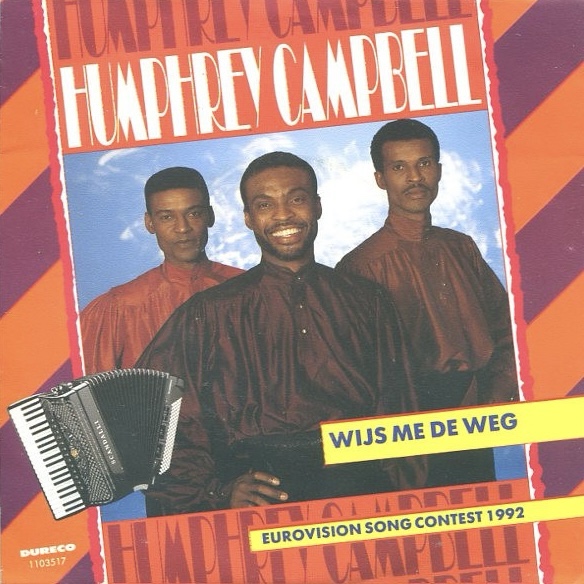
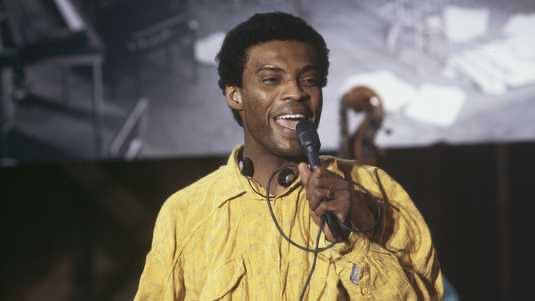
Humphrey Campbell died on Monday evening at the age of 66. The singer, who represented the Netherlands in the Eurovision Song Contest in 1992, died of cancer.
Campbell died peacefully and pain-free, his family and management said. His family announced earlier this month that Campbell was seriously ill. He has made his body available to science. That’s why there is no funeral.
The singer is best known to the general public for his participation in the Eurovision Song Contest in 1992. In Malmö, Sweden, where Linda Martin won for Ireland, he achieved ninth place with the song Wijs Me De Weg.
Campbell collaborated with artists such as Rob de Nijs, Paul de Leeuw and Ruth Jacott. Together with Campbell’s two brothers, Jacott was in the background choir during Campbell’s Eurovision participation in 1992. In return, he also sang in the background a year later when Jacott went to the Eurovision Song Contest with Vrede.
Jacott and Campbell were also in a relationship for a long time. The two separated in 2011 after 22 years.
Next year Campbell would embark on his theater tour Van Moengo Tot Hier! with pianist Cor Bakker. to start. “He was really looking forward to telling his life story during those performances. But unfortunately, yesterday he started another journey. His last,” the relatives wrote in a statement on Tuesday.
Former Eurovision Song Contest participant Humphrey Campbell is seriously ill. His family announced this to the ANP on Wednesday evening. The singer participated in the Eurovision Song Contest on behalf of the Netherlands in 1992 with the song Wijs Me De Weg.
The 66-year-old singer was about to go on tour to fifteen theaters next year. “He was really looking forward to this, but unfortunately this tour cannot go ahead. The theaters will be contacted for a replacement program,” his management said. It is unclear what exactly Campbell has.
Campbell achieved ninth place with his song Wijs Me De Weg. The Eurovision Song Contest was held that year in Malmö, Sweden.
The singer continued to work with artists such as Rob de Nijs, Paul de Leeuw and Ruth Jacott. The latter singer was in the background choir during his Eurovision Song Contest participation. In return, he also sang in the background a year later during her participation in the event.
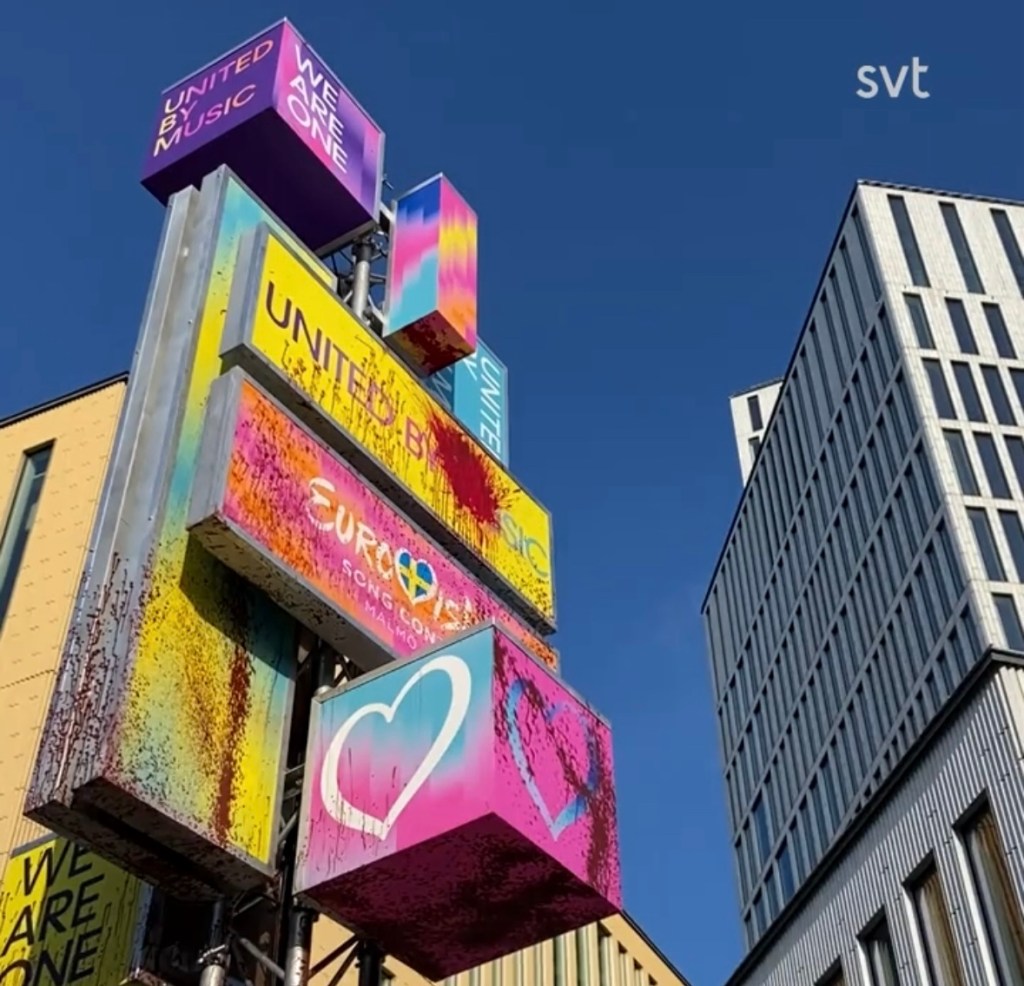
The large digital sign about Eurovision outside Malmö Live was vandalized overnight on Monday. Someone or a few have thrown blood-red paint and written pro-Palestinian slogans.
The vandalism was discovered in the morning hours. On the base of the sign, someone has written “Free Gaza” and daubed it with red paint. Even on the digital sign that says “United by music” and “We are one” someone has thrown paint.
The EBU decides the contestants Israel’s participation in Eurovision has provoked strong protests directed both at Malmö municipality and at SVT, despite the fact that it is the EBU – the European Television Union – that decides who gets to compete.
The police have not received any report about the vandalism during the night, but will prepare one themselves in the morning. Source: SVT Nyheter.
I believe that everyone has the right to demonstrate, but I don’t understand that this should be done by vandalism.
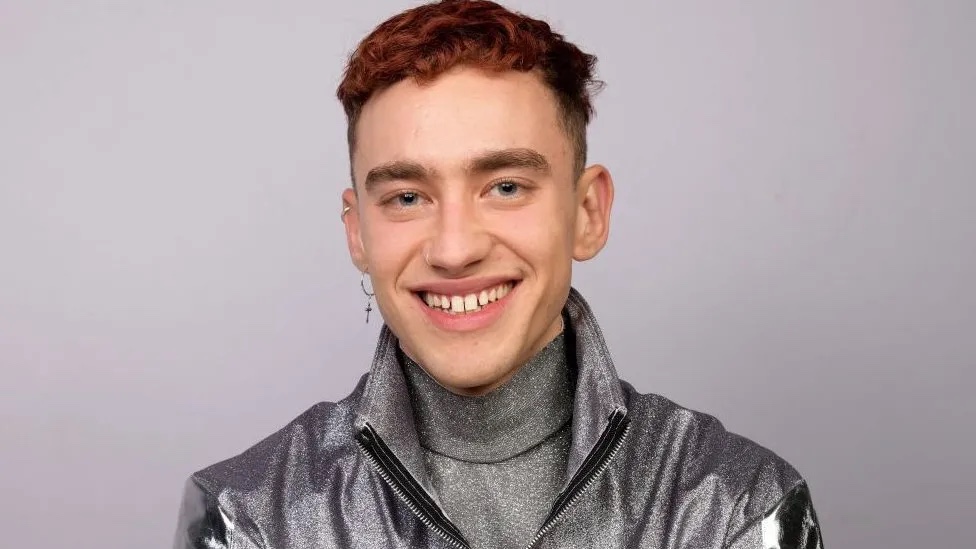
The UK has revealed its entry song for this year’s Eurovision Song Contest. The song is called Dizzy, and it’s by UK pop singer Olly Alexander. Olly is hoping to impress the other countries in the competition in Sweden later this year.
Olly used to be a part of a pop band called Years and Years. Three years ago, he made it into his own solo project, and since then has continued performing all over the world.
In his career he’s had two Number One albums in the charts, had 10 of his songs in the UK Top 40 singles, and had his songs streamed over 6.5 billion times.
He has performed and recorded with some pretty famous musicians, and even had a duet with Sir Elton John!
Olly Alexander’s will play his new track ‘Dizzy’ against other countries in Malmo, in Sweden later this year for the Eurovision Song Contest.
He said he’s really excited to be in the competition, and remembers watching the show with his family when he was younger. Source: BBCNews.
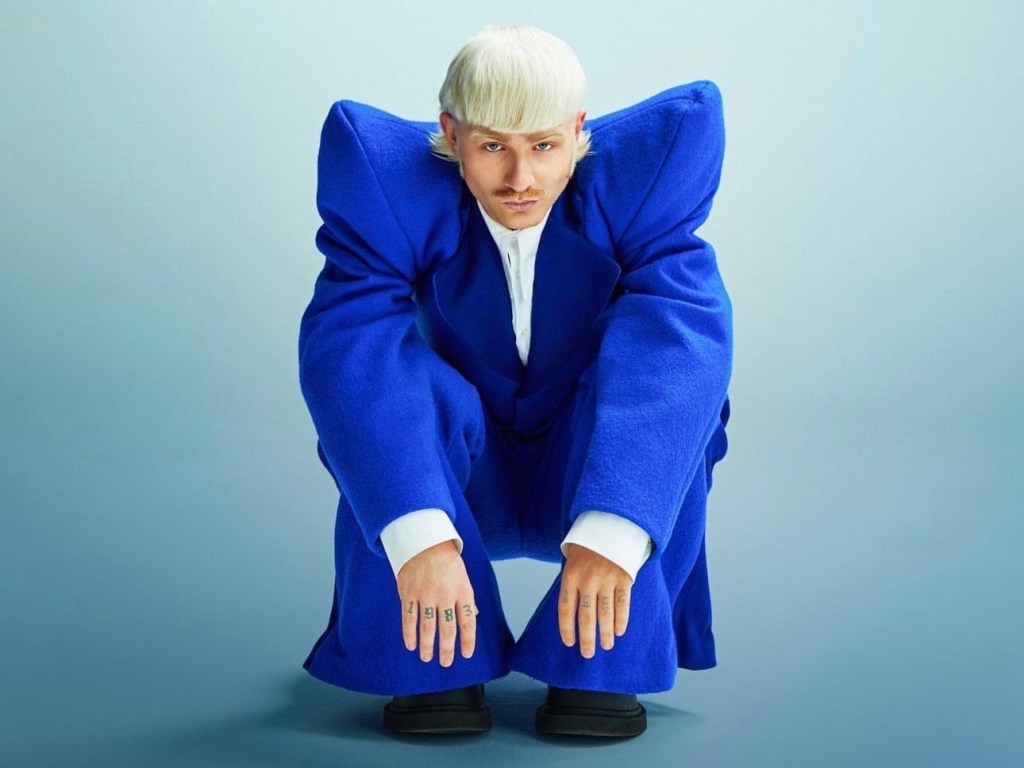
Europapa, the song with which Joost Klein will compete in this year’s Eurovision Song Contest, is a tribute to his father. The song also features Paul Elstak.
“It is a letter I wrote to my father,” Klein told about Europapa in a special broadcast of De Avondshow met Arjen Lubach on Thursday. Klein previously told NU.nl that he grew up with the Eurovision Song Contest. Together with his parents, he always watched it at a young age.
The song, which has clear gabber influences, ends with an ode to his parents. The song then slows down in tempo and the singer addresses his father directly. Klein’s parents both passed away when he was young.
“My papa and my mama are forever my heroes,” he sings at the end of Europapa. “Rain on the window and I stood at the window crying. Darkness far too early, it’s winter in spring. ‘I miss you every day,’ is what I secretly whisper. You see dad, I listened to you.”
“It’s a very surreal feeling. I think it’s really fat that I get to share the art I made with my friends now,” the 26-year-old Klein told us. Besides Elstak, the music video also features rapper Donnie, René Froger and S10.
“The Eurovision performance will be a full circle experience of turning sadness into euphoria,” the artist said of his performance in Malmö in May. “When people see my act, the first reaction should be: what is happening here? To then touch the viewer anyway. An invitation to dive deeper. At first glance it looks like a very happy act, but once past that, blood, sweat and tears lie.”
The title of the Song Contest song had been known for several weeks, but neither Europapa‘s lyrics nor its subject matter had been known yet. Klein announced on the talk show. Lubach and Klein have known each other for years, the presenter told at the start of the show.
Klein will be in the second semifinal of the Song Contest on Thursday 9 May. He will then compete against Belgium, Austria and Greece, among others. Ten other countries will then have already qualified for the final which is on 11 May.
This year’s Song Contest will be held in the Swedish city of Malmö, after Loreen won the event for the second time last year with Tattoo. The first semi-final will take place on Tuesday 7 May. Source: nu.nl.
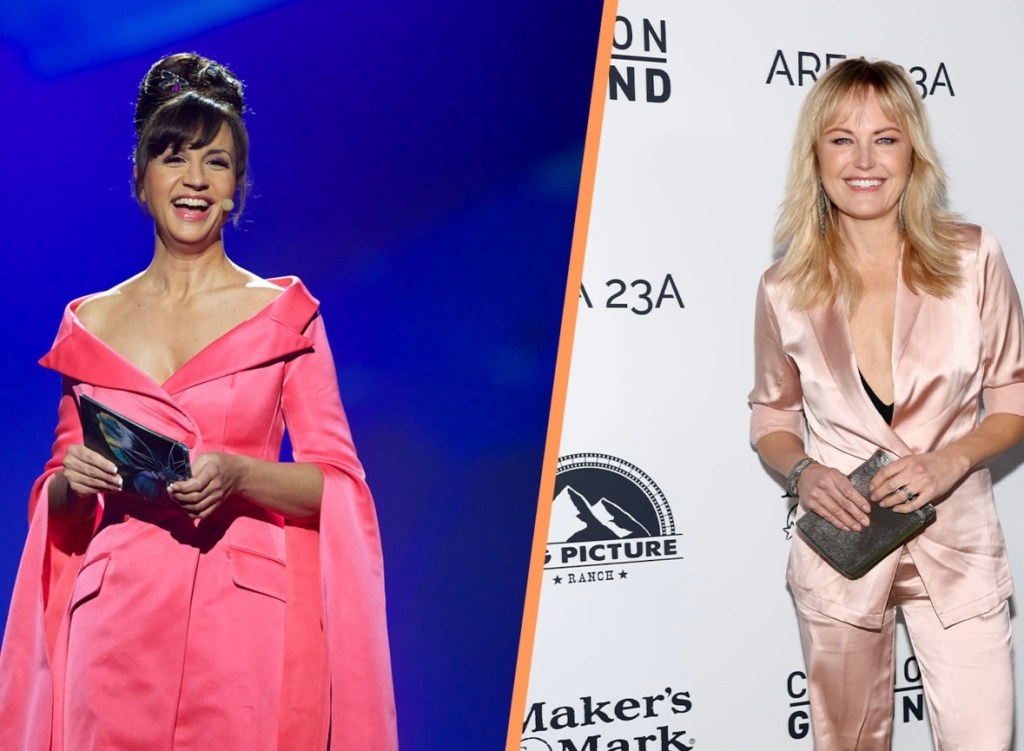
Presenter Petra Mede and actress Malin Akerman will present the Eurovision Song Contest in Malmö, Sweden this May. The organization of the event announced the presentation duo on Monday.
The 53-year-old Mede is one of the best-known Swedish presenters and already presented the Eurovision Song Contest in 2013 and 2016. The 45-year-old Akerman, born in Stockholm and raised in Canada, is known as an actress for films such as The Heartbreak Kid and Rock of Ages .
Mede and Akerman have not worked together before, but say they are very much looking forward to presenting the Eurovision Song Contest together.
The Eurovision Song Contest takes place in Malmö from Tuesday 7 to Sunday 11 May. The Netherlands is represented by Joost Klein. He will play in the second semi-final on May 9. Source: nu.nl.
Romania will not participate in the upcoming Eurovision Song Contest in Sweden. The responsible broadcaster TVR cannot release enough money.
A total of 37 countries are now participating in the Eurovision Song Contest in Malmö, Sweden.
The European Broadcasting Union (EBU) announced last month that discussions were still ongoing with Romania about possible participation. The broadcasting organization then announced that the country’s participation might be confirmed later.
Romania has participated in the Eurovision Song Contest 23 times and has always been present in recent years. The last time the country did not participate was in 2016. Romania was also absent from the Eurovision Song Contest in 2001.
Last year Romania failed to qualify for the final. Singer Theodor Andrei did not score a single point in the semi-finals, posting the worst Romanian score to date.
The Eurovision Song Contest is from May 7 to 11, 2024.
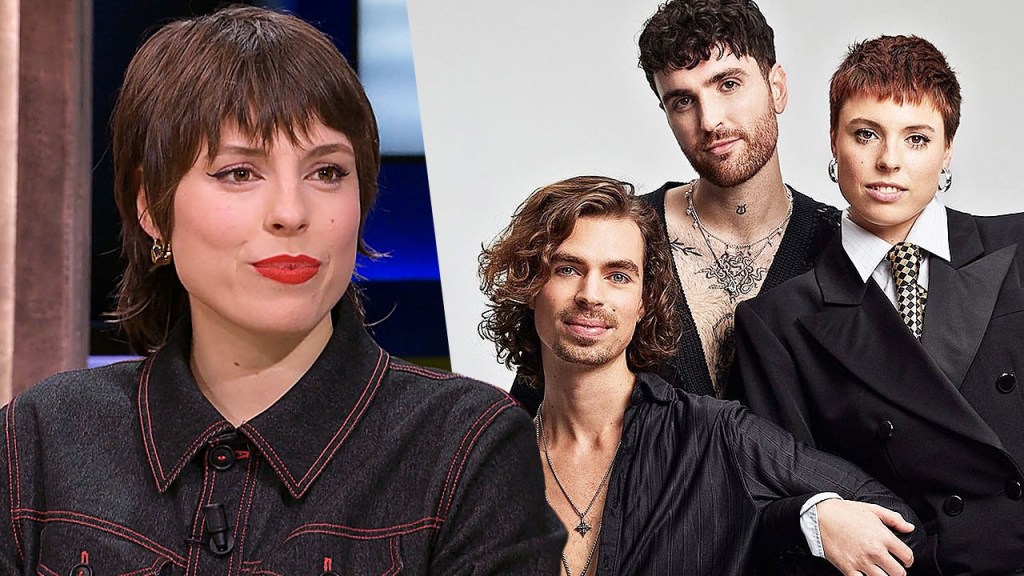
Now that the Eurovision Song Contest is already seven months behind us, Mia Nicolai still seems to be distancing herself from her ‘mentor’ Duncan Laurence. “We would have benefited from additional training.”
It is perhaps one of the biggest mistakes in the Dutch history of the Eurovision Song Contest: the participation of the musically struggling couple Mia & Dion. Expectations were high, because former winner Duncan Laurence was their ‘mentor’. What did that mentorship entail? Even Mia Nicolai doesn’t know.
Mia has no idea what was actually part of Duncan’s duties. He came over every now and then with his friend Jordan and their dog, but that was about it. Het Parool asks her: “And Duncan Laurence? As creative director, he would guide you throughout the entire process. Has he fulfilled his role well in your opinion?”
The troubled singer does not exactly stand up for him: “Ehhh. This would mean that it had been clearly agreed in advance what that role would entail. That there was a list of appointments that we could have ticked off afterwards. But that list was not there.”
So that list was just as absent as Duncan himself. All very professional. Would it have been smart to draw up such an appointment list, Het Parool then asks. Mia: “I don’t think that’s a bad idea at all in any working relationship, indeed.”
The false performance that Mia & Dion gave in Madrid at the time was truly cringeworthy; then things went wrong again in Amsterdam. And Duncan? He was posting selfies of himself on Instagram. How is that possible? “I understand that question, but you really have to ask Duncan.”
Everything breathes that Mia finally dares to admit that Duncan was a mentor from hell. Who did she feel supported by? “By my parents, friends, the people of Avrotros.”
All in all, Mia’s Eurovision experience with mentor Duncan was like a ride without a destination – lots of movement, but nowhere to go. “I do think we would have benefited from extra training in the months before.”
Joost Klein will represent the Netherlands during the Eurovision Song Contest next year. The selection committee chose his song from more than six hundred entries.
“There were many entries from all kinds of genres, but in our opinion his entry has the greatest hit potential,” says Twan van de Nieuwenhuijzen, chairman of the selection committee.
“You hear his well-known combination of party and nostalgia in the song. We think that Joost will put on a great act with his creativity and positively surprise the Netherlands and Europe.” The song with which Klein will go to the Eurovision Song Contest will be announced at a later date.
The selection committee did not unanimously go for Klein. Nevertheless, everyone supports the choice, says Van de Nieuwenhuijzen. “Choosing between the last five potential entries was extremely difficult. But Joost has a song that we really think has the potential to do well throughout Europe. That was the deciding factor. And he is also someone who very nice and good in a very infectious way.”
Klein sees a dream come true with his participation: “I used to watch it every year with my parents, glued to the TV. It is an honor that I can represent the Netherlands and I will do everything I can to achieve the best result.”
The 26-year-old Klein, who releases his music under his first name Joost, makes a mixture of pop, happy hardcore and pop punk. He is best known for his song Friesenjung, which has been listened to more than 100 million times on Spotify. This song also caught on in countries such as Belgium, Germany and Austria.
Last summer Klein performed on the main stage of Lowlands, among others. He also performed at Pinkpop and gave two sold-out concerts at AFAS Live.
A total of about six hundred songs were submitted, broadcaster AVROTROS reports. A special selection committee listened to this. Krezip singer Jacqueline Govaert, Eurovision Song Contest expert Cornald Maas and radio DJ Sander Lantinga, among others, helped decide on the artist and the song.
The Eurovision Song Contest will take place in Sweden in 2024, because Swedish singer Loreen has won the music festival for the second time this year. In Liverpool she won with her song Tattoo. Eleven years earlier she was allowed to take the trophy home thanks to the song Euphoria.
The Netherlands is competing against 36 other countries, it was announced earlier this month. Ukraine, the United Kingdom and Italy, among others, are participating in the 68th edition.
The final of the Eurovision Song Contest will take place on May 11, 2024. The Netherlands must first qualify for this during one of the semi-finals. These will take place on Tuesday, May 7 and Thursday, May 9.
This week the 67th edition of the annual Eurovision Song Contest took place in Liverpool, United Kingdom, as Ukraine, the winner of the 2022 contest with the song Stefania by Kalush Orchestra, was unable to host the event due to the Russian invasion of the country. It was organised by the European Broadcasting Union (EBU), with the British Broadcasting Corporation (BBC) acting as host broadcaster on behalf of the Public Broadcasting Company of Ukraine (UA:PBC). The contest was held at Liverpool Arena, and consisted of two semi-finals on 9 and 11 May and a final on 13 May 2023. The three live shows were presented by British singer Alesha Dixon, British actress Hannah Waddingham, and Ukrainian singer Julia Sanina, with Irish television presenter Graham Norton joining for the final.
Thirty-seven countries participated in the contest, with Bulgaria, Montenegro, and North Macedonia ceasing their participation, mainly due to the economic impact of the global energy crisis.
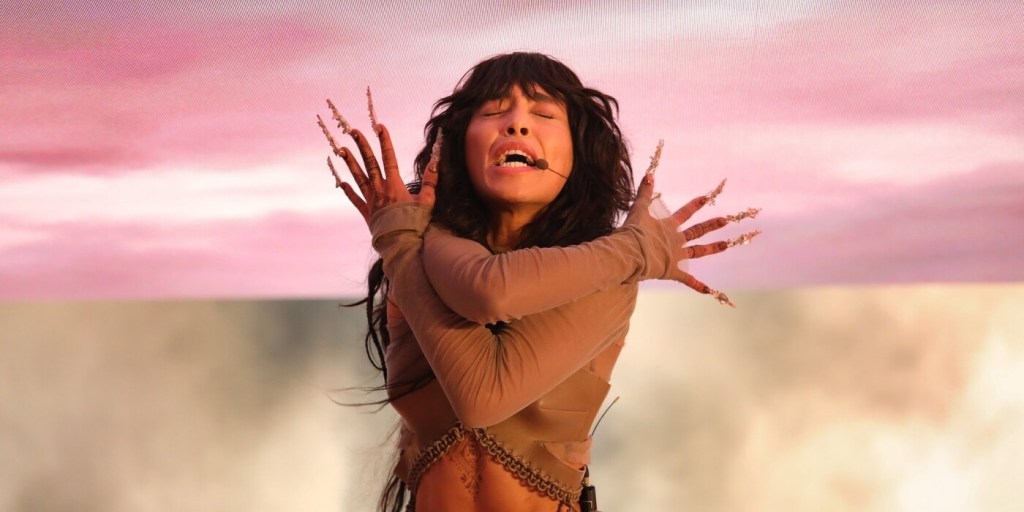
The winner was Sweden with the song Tattoo, performed by Loreen and written by her along with Jimmy Thörnfeldt, Jimmy Jansson, Moa Carlebecker, Peter Boström, and Thomas G:son. Finland, Israel, Italy, and Norway rounded out the top five. Sweden won the combined vote and jury vote, and came second to Finland in the televote. Loreen became the second performer to win the contest twice, after Irish singer Johnny Logan; it was also the seventh win for Sweden, tying Ireland’s record for the most Eurovision victories.
The EBU reported that the contest had a television audience of 162 million viewers in 38 European markets, an increase of a million viewers from the previous edition. A total of 15.6 million viewers watched the contest online on YouTube and TikTok.
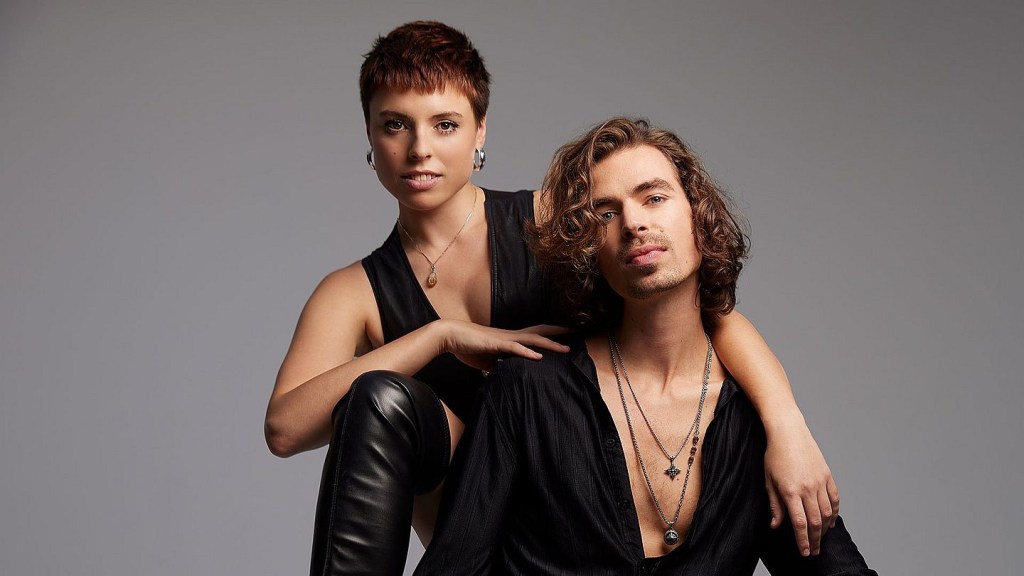
Mia Nicolai and Dion Cooper are heading to the Eurovision Song Contest with the song Burning Daylight. On Tuesday, a short teaser appeared on social media in which little can be heard yet, but the title of the song becomes clear.
In the short video, we see Cooper and Nicolai, but no music can be heard yet. The song, which they co-wrote with Duncan Laurence, will not be announced until Wednesday.
“The song is an ode to trial and error,” Cooper previously told me. “It’s about recognising that we are just people trying to do our best too and that it’s not bad to make mistakes. It’s about getting back up afterwards, choosing something better and moving on.” The singer speaks of “a very hopeful song”. “Mia and I were both able to put some of our personal story into it,” he says.
Mia and Dion are competing on behalf of the Netherlands in the first semi-final of the Eurovision Song Contest. If they manage to place in the top ten, they will advance to the final. That will take place on 13 May in Liverpool.
This week the 66th edition of the annual Eurovision Song Contest took place in Turin, Italy, following the country’s victory at the 2021 contest with the song Zitti e buoni by Måneskin. Organised by the European Broadcasting Union (EBU) and host broadcaster Radiotelevisione italiana (RAI), the contest was held at the PalaOlimpico, and consisted of two semi-finals on 10 and 12 May, and a final on 14 May 2022. The three live shows were presented by Italian television presenter Alessandro Cattelan, Italian singer Laura Pausini and Lebanese-born British-French singer Mika.
Forty countries participated in the contest, with Armenia and Montenegro returning after their absence from the previous edition. Russia had originally planned to participate, but was excluded due to its invasion of Ukraine.
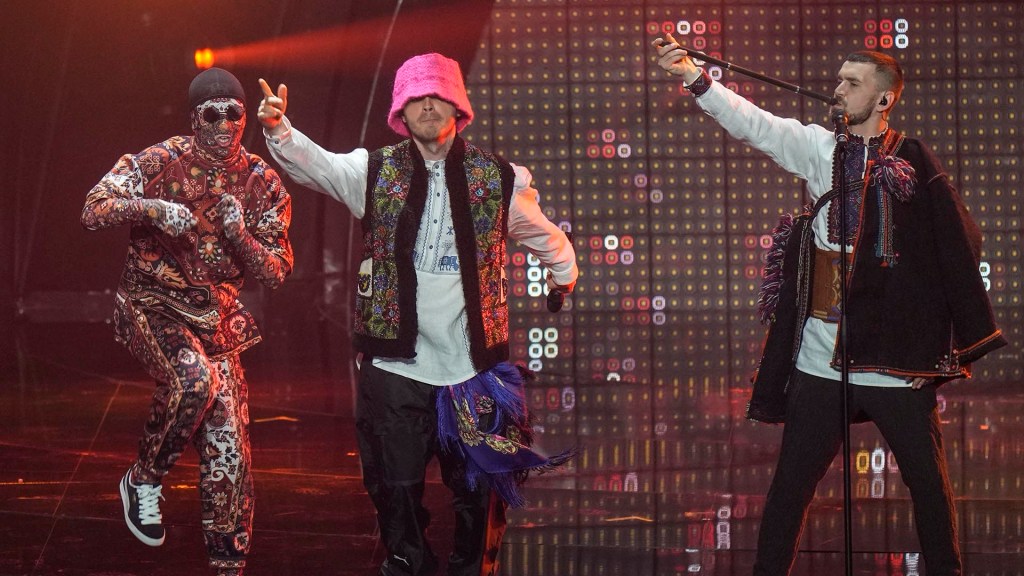
The winner was Ukraine with the song Stefania, performed by Kalush Orchestra and written by the group’s members Ihor Didenchuk, Oleh Psiuk, Tymofii Muzychuk and Vitalii Duzhyk, along with Ivan Klymenko. The United Kingdom finished in second place for a record-extending sixteenth time, also achieving its best result since 1998. Spain, Sweden and Serbia rounded out the top five, with Spain achieving its best result since 1995. Ukraine won the televote with 439 points, the most received in the contest’s history to date, and came fourth in the jury vote behind the United Kingdom, Sweden and Spain. “Stefania” is the first song sung entirely in Ukrainian and the first song with hip-hop elements to win the contest.
The EBU reported that the contest had a television audience of 161 million viewers in 34 European markets, a decrease of 22 million viewers from the previous edition, however, it is noted that this is due to the exclusion of Russia and the lack of audience figures from Ukraine, with the overall figures up by 7 million viewers in a comparable market from 2021. An increase of three per cent in the 15–24 year old age range was also reported. A total of 18 million viewers watched the contest online on YouTube and TikTok.
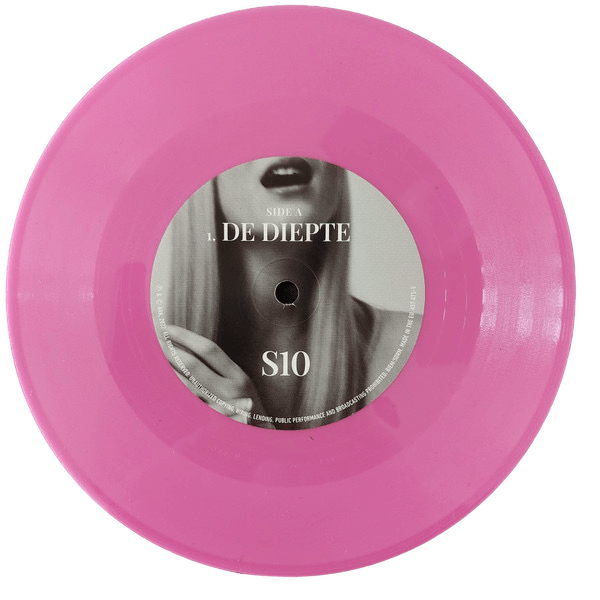
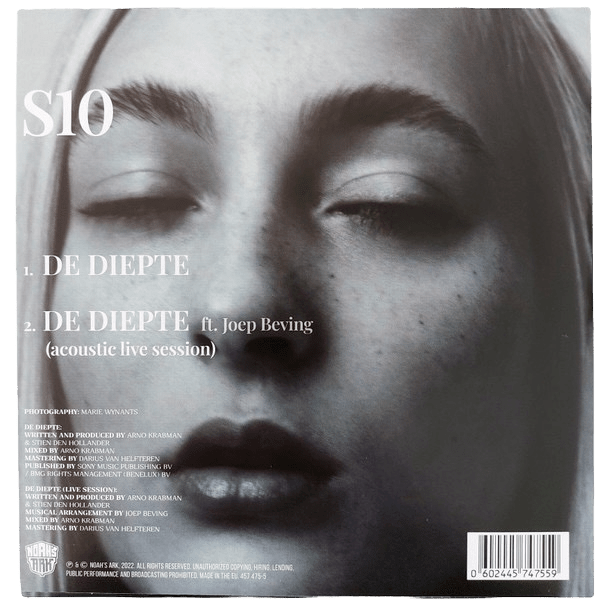
S10 is participating in the Eurovision Song Contest in Turin with the song De Diepte (the Depth) this year. The 21-year-old singer says she is relieved that the news is now finally out.
S10 announced the song on Thursday morning in Tuschinski in Amsterdam. The singer reacted emotionally after the release. “I do this for all the people who have been so deep, for that Stien from back then.”
“It is an ode to the sadness and memories that you carry with you. Everyone experiences events in their lives that are difficult. That is something that all people share together and I hope that you feel less alone when listening to it song,” said S10, who was born as Stien den Hollander.
It is the first time since 2010, when Sieneke participated in Ik Ben Verliefd (Sha-La-Lie), that a Dutch song has been selected. She was unable to qualify for the final at the time. The last time before this was in 1998, when Edsilia Rombley finished fourth with Hemel en Aarde.
The Dutch entry must first prove itself in the first semi-final of the Eurovision Song Contest. She will then compete against Bulgaria, Ukraine and Croatia, among others. If she is among the top 10 on May 10, she will advance to the final on Saturday, May 14.
The Eurovision Song Contest will take place in the Italian city of Turin this year, after Maneskin won in Rotterdam with Zitti e Buoni. The first semi-final is on May 10, the second on May 12 and the final takes place on May 14.
S10 will represent the Netherlands at the Eurovision Song Contest in Turin next year. Broadcaster AVROTROS announced this on Tuesday afternoon via social media.
“I almost explode with happiness at the idea that I can participate in the Eurovision Song Contest this year,” S10, full name Stien den Hollander, said in an initial response. It has not yet been announced which song she will travel to the Italian city with. In recent years, AVROTROS first announced an artist and followed with the presentation of the song in March.
Eric van Stade, general manager of AVROTROS, says on behalf of the selection committee that the S10 song “shows courage and authenticity”. Van Stade reports that S10 will perform her song in Dutch. For the first time since 2010, when Sieneke represented the Netherlands, a Dutch participant will sing in their own language.
Cornald Maas, commentator at the Eurovision Song Contest and part of the selection committee, says that the entire committee was “overwhelmed” by S10’s song. “You are immediately taken into the story she tells, both lyrically and with the composition. It is a really strong song that we have chosen.”
The 21-year-old singer and rapper, who told her team that she wanted to take a shot at the Eurovision Song Contest ticket, has two albums and two EPs to her name. In 2019 she released the album Snowsniper and Vlinders followed a year later. With Adem Je In she scored her biggest hit to date earlier this year. She has released the song both solo and together with rappers Frenna and Kevin. S10 has been under contract with the record label Noah’s Ark since 2018.
S10 takes over from singer Jeangu Macrooy, who finished 23rd last May. It is the first time since Trijntje Oosterhuis’s participation in 2015 that a solo singer has been sent to the Eurovision Song Contest on behalf of the Netherlands.
Because the Italian band Maneskin won in Rotterdam, the 2022 Eurovision Song Contest will take place in an Italian city. The semi-finals will be held in Turin on May 10 and 12 and the final will take place in the same city on Saturday, May 14.
The Netherlands is not the first country to announce a candidate for next year’s Eurovision Song Contest. Belgium previously announced that it would send singer Jérémie Makiese and Bulgaria presented its entry Intention from Intelligent Music Project last weekend.
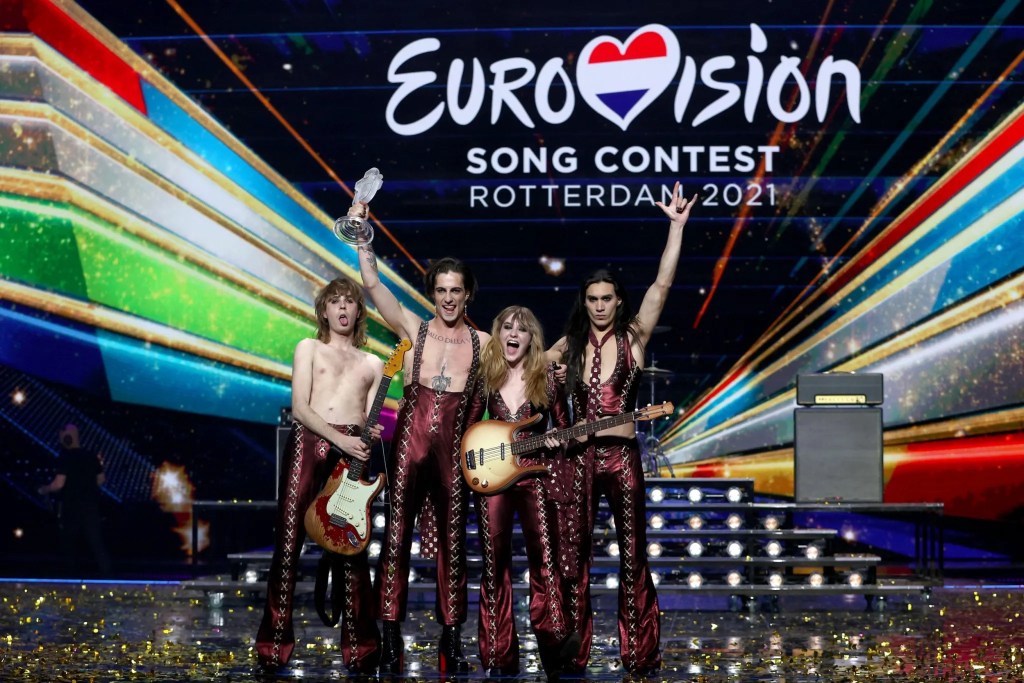
This week the 65th edition of the annual Eurovision Song Contest took place in Rotterdam, Netherlands, following the country’s win at the 2019 contest with the song Arcade by Duncan Laurence. The Netherlands was set to host the 2020 contest, before it was cancelled due to the COVID-19 pandemic. Organised by the European Broadcasting Union (EBU) and host broadcasters Nederlandse Publieke Omroep(NPO), Nederlandse Omroep Stichting (NOS) and AVROTROS, the contest was held at Rotterdam Ahoy, and consisted of two semi-finals on 18 and 20 May, and a final on 22 May 2021. The three live shows were presented by Dutch television presenters and singers Chantal Janzen, Edsilia Rombley and Jan Smit, and Dutch YouTuber and make-up artist Nikkie de Jager.
Thirty-nine countries participated in the contest, of which twenty-six re-entered the artists chosen for 2020 (albeit with different songs, as per the contest’s rules). Bulgaria and Ukraine returned after their absence from the 2019 contest, while Hungary and Montenegro did not return after their participation in the 2019 edition. Armenia and Belarus had originally planned to participate, but Armenia withdrew due to its social and political crises following the Second Nagorno-Karabakh War, and Belarus was disqualified after submitting entries in violation of the rules twice, and not providing an eligible entry before the deadline.
The winner was Italy with the song “Zitti e buoni“, performed by Måneskin and written by the band’s members Damiano David, Ethan Torchio, Thomas Raggi and Victoria De Angelis. France, Switzerland, Iceland and Ukraine rounded out the top five, with France and Switzerland achieving their best results since 1991 and 1993 respectively. Italy won the combined vote and televote, but placed fourth in the jury vote after Switzerland, France, and Malta. Italy was the second member of the “Big Five” since its introduction to win the contest after Germany in 2010. For the first time since 1995, none of the top three entries were performed in English, with France and Switzerland performing in French, and Italy in Italian.
Also, for the first time since the current voting system was implemented in 2016, more than one country received no points from the televote in the final; these countries were Germany, Spain, the host country the Netherlands, and the United Kingdom, the last of those becoming the first country to receive no points from both the jury and televote. It was the second time that the United Kingdom had received no points in the contest, the last time having been in 2003. For the first time since its debut in 2015, Australia failed to qualify for the final, making Ukraine the only country that has never failed to qualify from the semi-finals since their introduction in 2004.
The EBU reported that the contest had an audience of 183 million viewers in 36 European markets, an increase of a million viewers from the previous edition, with an increase of seven percent in the 15–24 year old age range.
For this year, delegations were given the option to use pre-recorded backing vocals. Each delegation could still choose to use backing singers, whether on or off stage, or a combination of live and recorded backing vocals. All lead vocals performing the melody of the song must still be live, according to the rules. As a measure to guarantee that all participants could take part in the contest, every national broadcaster were required to create a ‘live-on-tape’ backup recording prior to the contest, which could be used if a participant was unable to travel to Rotterdam, or subjected to quarantine on arrival. The recordings took place in a studio setting, in real-time (as it would be at the contest) without any edits to the vocals or any part of the performance itself after the recording. A set of production guidelines was also revealed to ensure fairness and the integrity of the recordings.
Other rules for the entries stayed the same in the 2021 contest. This includes that the maximum length for a song is three minutes, that there can be at most six performers on stage, and that the compositions (lyrics and music) must not have been commercially released before 1 September of the year before. Following the cancellation of the 2020 contest, the EBU explored the option of allowing the songs selected for the 2020 contest to compete in the 2021 contest, which needed to be discussed with the Eurovision Song Contest reference group and the national broadcasters. Victoria, Bulgaria’s representative for 2020 and 2021, publicly expressed her support for such a move. However, on 20 March 2020, the reference group decided that, in accordance with the rules of the Eurovision Song Contest, the 2020 songs would not be eligible to compete in the 2021 contest.
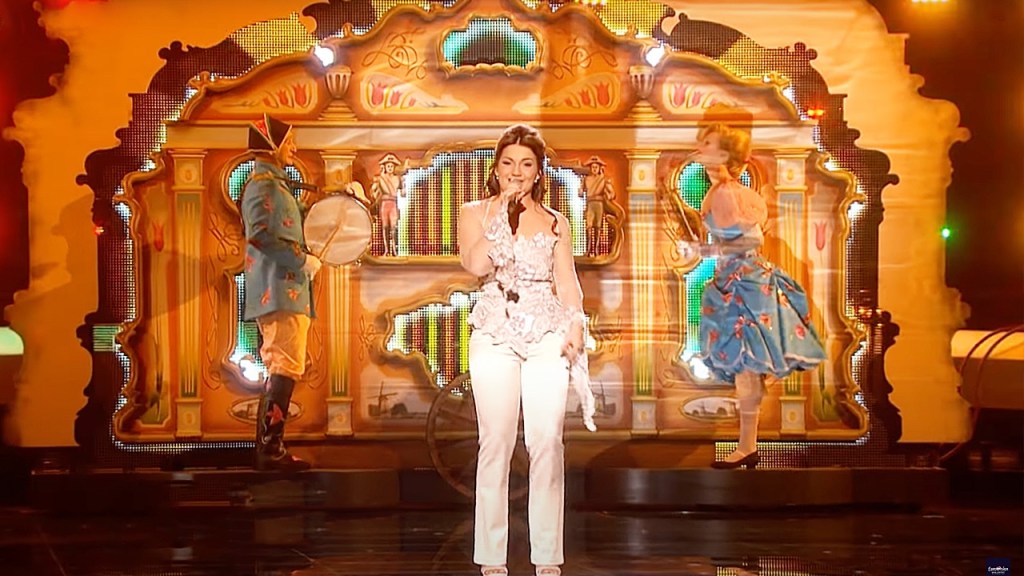
Pierre Kartner, also known as Father Abraham (with the Smurfs), thinks that Sieneke Peeters failed so badly at the Eurovision Song Contest in 2010 because she performed there with a fake organ.
Sieneke stood on the Eurovision stage with the extremely sweet song Ik ben Verliefd (sha-la-lie). It was one of the last Dutch entries in the ‘old style’. It was only in 2013 that a quality improvement was made at the Eurovision team of the AvroTros with Anouk at the helm.
But how is it possible that almost no one in Europe voted for Sieneke? “The performance could have been better,” complains Pierre Kartner, the writer of her song, in the VARA Gids. “The organ should have been a real Amsterdam organ. With an organ grinder and then Sieneke in traditional costume, with a cart full of cheese on stage.” This way you show the old-fashioned Netherlands in full regalia, says Pierre. “Continue that line completely, because that is the Netherlands!”
Because a real organ was too heavy for the glass Eurovision stage, AvroTros decided to send a fake organ. As a result, you missed the authentic feeling, Pierre thinks. What other mistakes have been made? “They could also have put me at the piano; they all know me from the Smurfs. ‘The father’ used to sometimes appear on the cover of the VARA guide. Not this time.”
Pierre still believes in his song. In fact, he thinks it’s a shame that everything has changed so much because of Anouk. “I think it’s a shame that we are drifting further and further away from that atmosphere in terms of choice. People want to be entertained. Like a circus, it should be a party. Why not ‘Sha-la-lie’?”
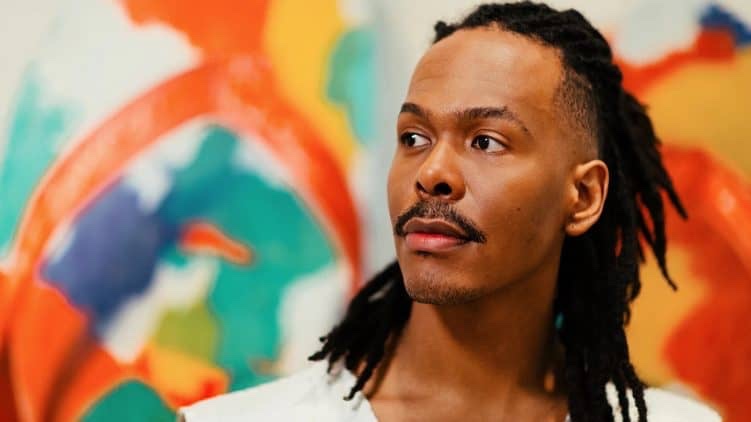
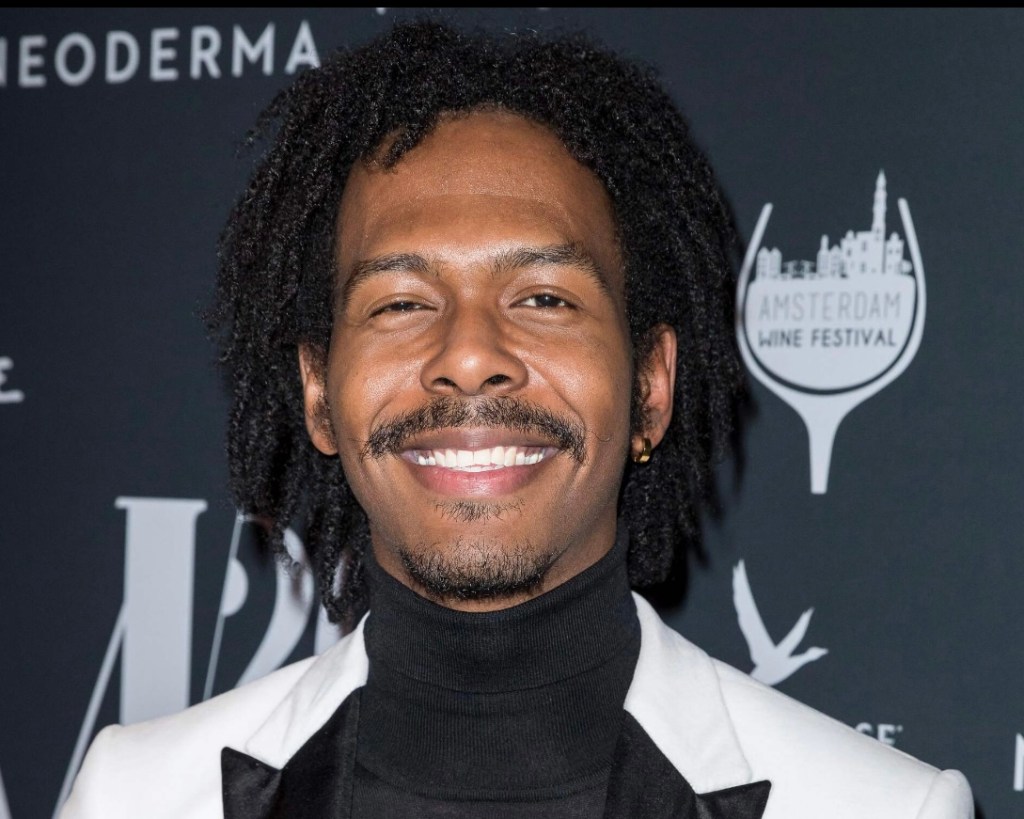
Jeangu Macrooy will represent the Netherlands at the Eurovision Song Contest with the song Birth of a New Age. The singer released the song for the first time in a livestream that could be followed on YouTube, Instagram and Facebook on Thursday night.
Macrooy co-wrote the Song Contest entry with Pieter Perquin, better known as Perquisite, who also produced last year’s entry, Grow. The chorus consists of a sentence in Sranantongo, the language of Suriname, in which Macrooy sings that no one can break him.
Speaking to Cornald Maas, Macrooy explained that he wanted to honour his origins in the song. For him, the song is about living an authentic life and showing resilience in difficult times.
Macrooy was chosen by the AVROTROS selection committee last year to represent the Netherlands at the Song Contest with his song. However, the event was cancelled due to the corona crisis. Each participating country was given the opportunity to send the same artist again, but a different song had to be provided.
The Netherlands does not have to perform in the semi-finals, as the organising country is automatically qualified for the final. The festival will be held in Rotterdam after Duncan Laurence won on behalf of the Netherlands in 2019.
Macrooy will compete against 25 other countries in the final. A total of 41 countries are competing, 15 of which remain in the semi-finals. The 2021 Eurovision Song Contest will take place on 18, 20 and 22 May in Rotterdam Ahoy.
Belgian director Hans Pannecoucke will also be responsible for directing Macrooy’s performance this year. After the successful edition in 2014, when The Common Linnets came second, he was constantly asked back. So he also portrayed Trijntje Oosterhuis, Douwe Bob and Waylon.
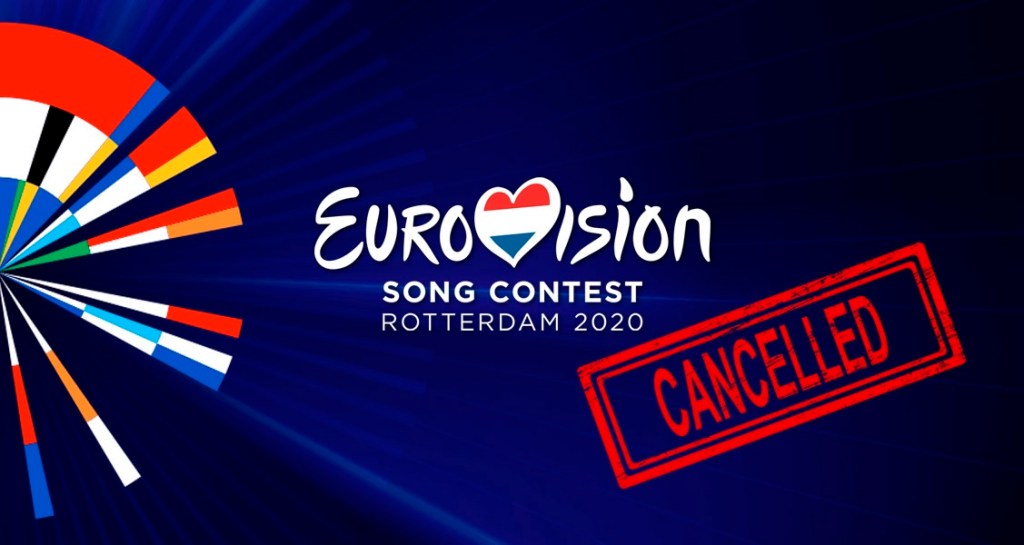
The Eurovision Song Contest 2020 was planned to be the 65th edition of the Eurovision Song Contest. It would have taken place in Rotterdam, Netherlands, following the country’s victory at the 2019 contest with the song Arcade by Duncan Laurence. This edition was the first and only one in the contest’s history to be cancelled, with it being called off on 18 March 2020 due to the COVID-19 pandemic.
The contest was scheduled to be held at Rotterdam Ahoy and would have consisted of two semi-finals on 12 and 14 May, and a final on 16 May 2020. Forty-one countries would have participated in the contest; Bulgaria and Ukraine would have returned after their absence from the 2019 contest, while Hungary and Montenegro had confirmed their non-participation after taking part in the previous edition. All 41 competing artists and songs were confirmed by the relevant broadcasters by early March 2020.
Following the cancellation, the European Broadcasting Union (EBU) began discussions of potential carryovers for the 2021 contest, such as the host city and participating artists, with various parties. In place of the cancelled contest, the EBU and its Dutch members NPO, NOS and AVROTROS organised a replacement show, Eurovision: Europe Shine a Light, to showcase the selected entries on 16 May, the day of the planned final. Rotterdam remained host of the 2021 contest on 18, 20 and 22 May 2021; however, the songs selected for the 2020 contest were not eligible for the competition.
The Eurovision Song Contest, which was supposed to take place in Rotterdam Ahoy this year, is canceled due to the coronavirus. The organization of the Eurovision Song Contest confirmed this on Twitter on Wednesday.
“It is with great regret that we announce that we have to cancel the Eurovision Song Contest in Rotterdam,” the press release reads.
In recent weeks, the organization has discussed various options to allow the festival to continue. The measures currently in place in Europe have led to the European Broadcasting Union (EBU) having to take “the difficult decision” to cancel the live show this year.
The EBU remains in discussions with the NPO, NOS, AVROTROS and the municipality of Rotterdam. The will is there to still organize the festival in Rotterdam in 2021. “We would like to pay tribute to the organizing team in the Netherlands and everyone else who worked so hard to plan this event.”
It is currently being determined whether people who have purchased a ticket will receive a refund or whether their ticket will remain valid for the show in 2021. When there is news about this, ticket holders will be notified via the email address they used to make their purchase. doing.
Jeangu Macrooy would participate on behalf of the Netherlands in the song competition with the song Grow. AVROTROS has already confirmed that it also wants to work with Macrooy in 2021. “AVROTROS continues to support our Dutch entry and is happy to continue the collaboration with Jeangu in 2021 with new energy and a lot of passion,” a spokesperson said.
The organization of the Eurovision Song Contest is still considering the possibility for artists to keep their song for next year’s edition.
The Netherlands was allowed to organize the Eurovision Song Contest thanks to Duncan Laurence’s win last year in Tel Aviv, where he achieved the highest score with Arcade. The semi-finals of the 2020 competition were scheduled for May 12 and 14, with the final scheduled to take place on May 16.
Apple Music has taken the song Grow and the accompanying video by Jeangu Macrooy offline, after the music platform released it earlier on Wednesday morning. It may be the record with which he will represent the Netherlands at the Eurovision Song Contest this year.
A recording that could be listened to on YouTube has also now been taken offline due to a copyright claim by AVROTROS. This indicates that it is indeed the singer’s Eurovision entry.
In addition, the album opens with sounds from a slide projector, which could also previously be heard in the teaser that Macrooy posted online on Monday.
It was previously announced that the Eurovision Song Contest entry would be announced on Wednesday evening. The song will be performed during De Wereld Draait Door. Macrooy is present in the studio and the clip is shown in the talk show. The artist will sing the song live for the first time on Thursday.
In the calm Grow, in which gospel influences can be heard, Macrooy sings about the uncertainty that comes with growing up.
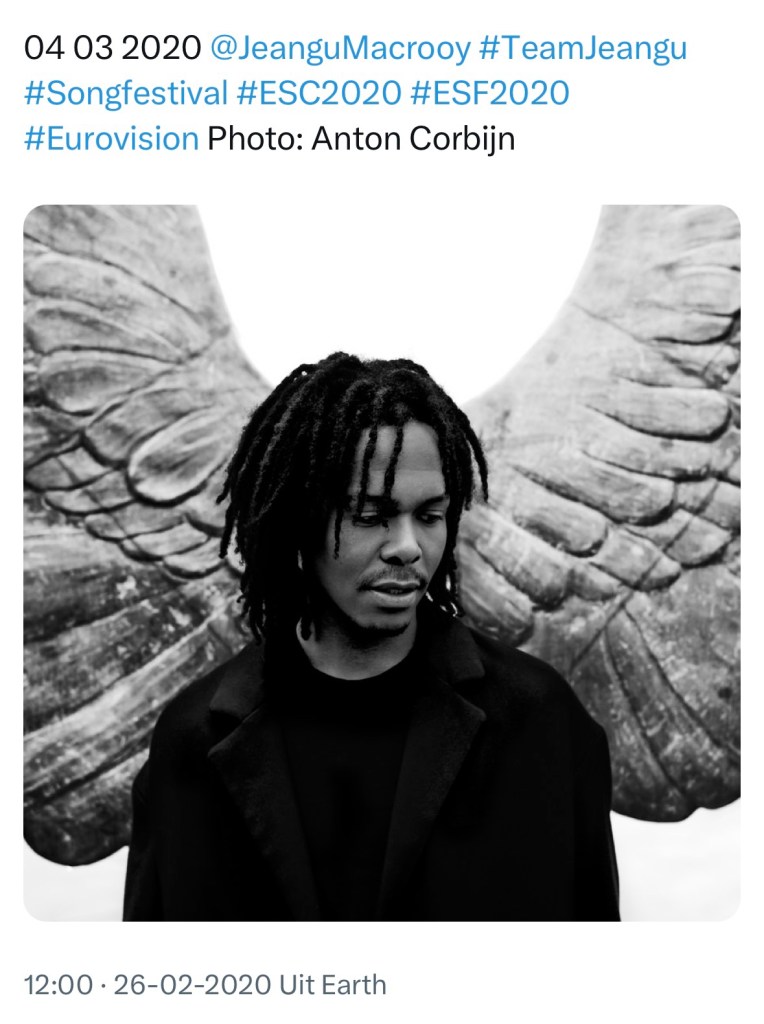
Singer Jeangu Macrooy’s Dutch Eurovision Song Contest entry will be presented on Wednesday, March 4, the organizing broadcaster AVROTROS reports on Twitter.
The Dutch entry can be heard for the first time on De Wereld Draait Door. A day later, on March 5, the singer sings the song live in the talk show. The same strategy was used last year when Duncan Laurence’s Eurovision song was presented.
The name of Macrooy’s song has not yet been announced. Cornald Maas, who is part of the selection committee for the Eurovision Song Contest, describes the song on Twitter as ‘distinctive and distinctive’.
On January 10, AVROTROS announced that Macrooy will represent the Netherlands at the Eurovision Song Contest. The Surinam-born singer has already released two albums, performed at various festivals in the Netherlands and played the role of Judas in 2018’s The Passion.
After Duncan Laurence’s victory with his song Arcade, the Eurovision Song Contest will take place in Rotterdam on May 12, 14 and 16.


 euro-vision.blog