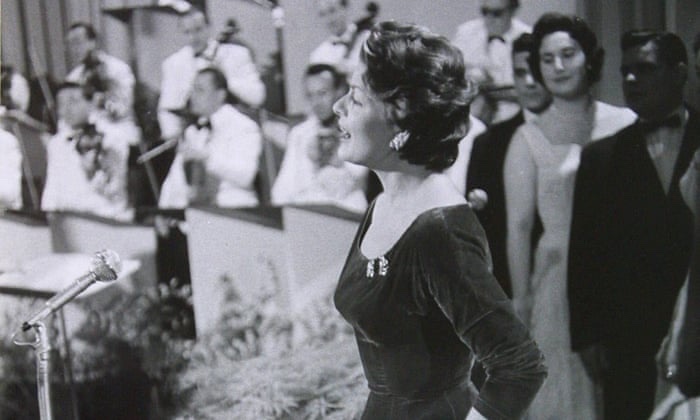
Eurovision 1966

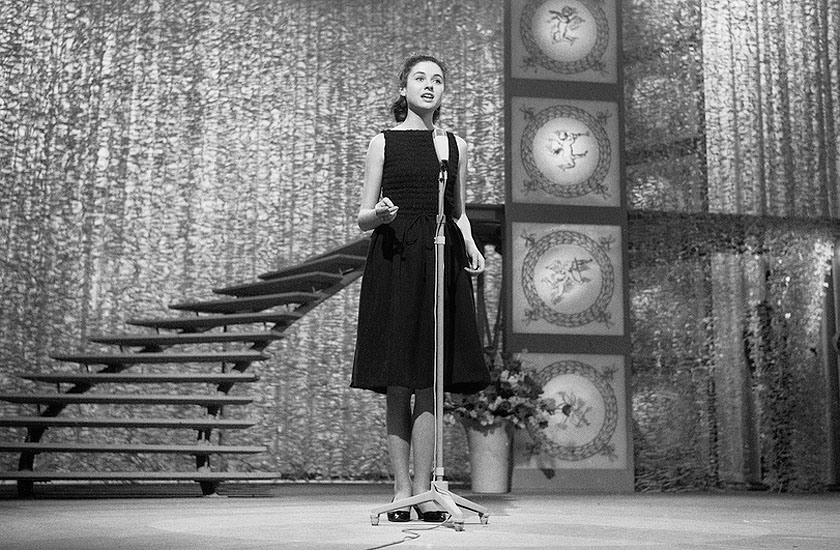
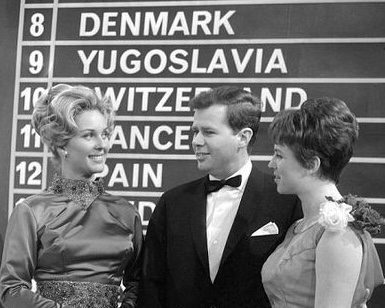
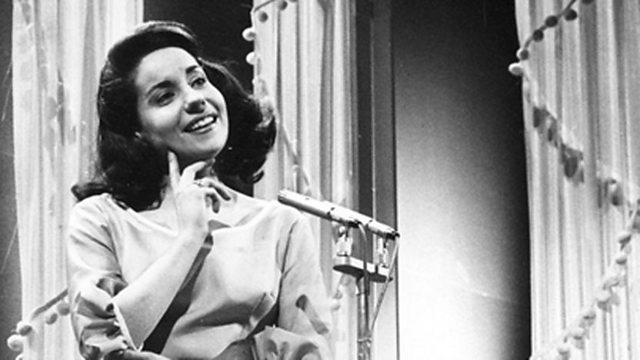
This evening the 11th edition of the annual Eurovision Song Contest took place in Luxembourg City, Luxembourg, following the country’s victory at the 1965 contest with the song Poupée de cire, poupée de son by France Gall. Organised by the European Broadcasting Union (EBU) and host broadcaster Compagnie Luxembourgeoise de Télédiffusion (CLT), the contest was held at the Villa Louvigny on 5 March 1966 and was hosted by Luxembourgish television presenter Josiane Chen.

Eighteen countries participated in the contest, the same that had competed the year before.

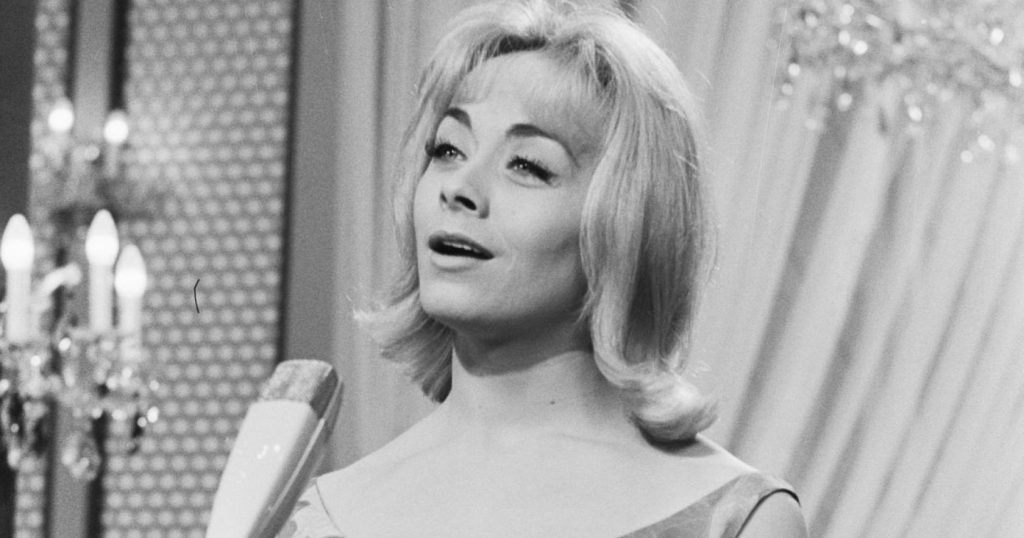
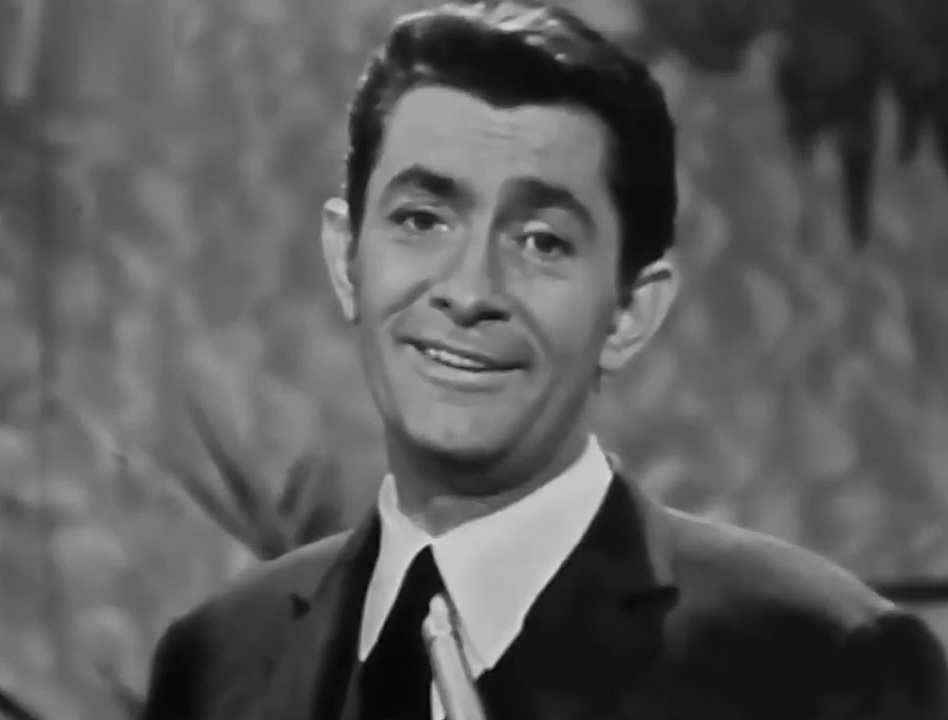
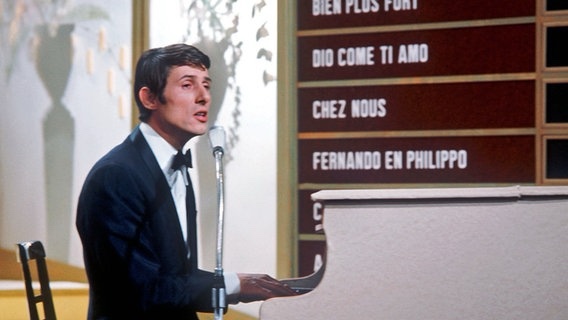
The winner was Austria with the song Merci, Chérie, performed and composed by Udo Jürgens, and written by Jürgens and Thomas Hörbiger. This was Udo Jürgens third consecutive entry in the contest, finally managing to score a victory for his native country Austria. Austria would not go on to win again until the 2014 edition. This was also the first winning song to be performed in German. The contest is also noted for its historic results for several countries. Austria who came first, Sweden who came second, Norway who came third and Belgium who came fourth all achieved their best results up until then, some of which would stand for several decades. In contrast traditional Eurovision heavyweights such as France, United Kingdom and Italy all achieved their worst result by far up till that point, with the general public in the aforementioned countries meeting these results with a degree of consternation.

The rule stating that a country could only sing in any of its national languages was originally created this year, possibly due to the 1965 edition’s Swedish entry which was sung in English.
Eurovision 1965

Tonight the tenth edition of the annual Eurovision Song Contest took place in Naples, Italy, following the country’s victory at the 1964 contest with the song Non ho l’età by Gigliola Cinquetti. Organised by the European Broadcasting Union(EBU) and host broadcaster Radiotelevisione italiana (RAI), the contest was held at Sala di Concerto della RAI on 20 March 1965, and was hosted by Italian singer Renata Mauro.

Eighteen countries participated in the contest – setting a new record for the highest number of entrants in the competition until that point. Sweden returned after being absent from the previous edition, while Ireland made its debut.

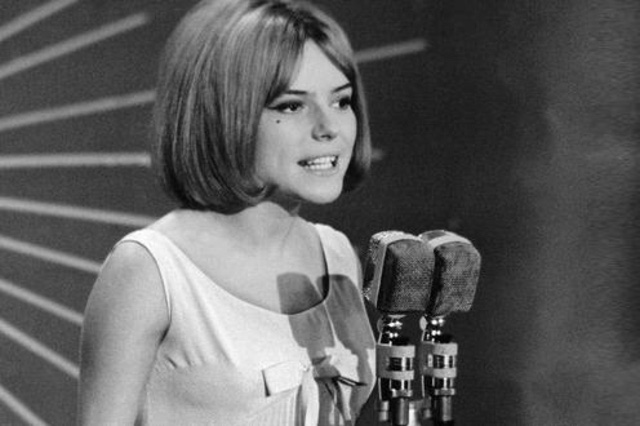
Luxembourg won for the second time with the highly controversial Poupée de cire, poupée de son sung by the French singer France Gall, and written by Serge Gainsbourg, which later went on to be a massive hit in almost all European countries. It was the first winning song since the Netherlands’ Een beetje in 1959 to not be a ballad, being the first pop song to ever win the competition. For the fourth consecutive year, four countries all scored nul points; Belgium, Finland, Germany, and Spain – all of which finished with no points for the second time in the contest’s history.

Eurovision 1964

Today in 1964, the 9th edition of the annual Eurovision Song Contest took place in Copenhagen, Denmark, following the country’s victory at the 1963 contest with the song Dansevise by Grethe and Jørgen Ingmann. Organised by the European Broadcasting Union (EBU) and host broadcaster Danmarks Radio (DR), the contest was held at Tivolis Koncertsal on 21 March 1964, and was hosted by Danish TV presenter Lotte Wæver.

Sixteen countries participated in the contest. Portugal made its debut this year, whereas Sweden decided not to enter.

The winner of the contest was Italy with the song Non ho l’età, performed by Gigliola Cinquetti, written by Nicola Salerno and composed by Mario Panzeri. At the age of 16 years and 92 days, Gigliola Cinquetti became the youngest winner of the contest yet; a record she held until 1986. The entry had one of the widest margins of victory ever witnessed in the competition. It garnered almost three times as many points as the second-placed song.

Besides the 1956 contest, the 1964 contest is the only other one of which there are no surviving video recordings.

Eurovision 1963

Today the 8th edition of the annual Eurovision Song Contest took place in London, United Kingdom. It was organised by the European Broadcasting Union (EBU) and host broadcaster British Broadcasting Corporation (BBC), who agreed to stage the event after France, who had won the 1962 edition, declined to host it due to financial shortcomings, also having hosted the competition in 1959 and 1961. The contest was held at the BBC Television Centre on Saturday 23 March 1963 and was hosted by Katie Boylefor a second time.

Sixteen countries participated in the contest, the same countries that had participated the previous year.

The contest this year was won by Denmark with the song Dansevise, performed by Grethe and Jørgen Ingmann. This was the first victory for any of the Nordic countries. Four countries got nul points, with Finland, Norway and Sweden failing to score any points for the first time and the Netherlands for the second time, becoming the first country to go two years in a row without scoring a single point.

Eurovision 1962

Today the 7th edition of the annual Eurovision Song Contest 1962 took place in Luxembourg City, Luxembourg, following the country’s victory at the 1961 contest with the song Nous les amoureux by Jean-Claude Pascal. The contest was organised by the European Broadcasting Union (EBU) and host broadcaster Compagnie Luxembourgeoise de Télédiffusion (CLT), and was held at the Villa Louvigny on Sunday 18 March 1962 hosted by the Luxembourgish speaker Mireille Delannoy. This remains the last time that the final of the contest was not held on a Saturday, as since 1963 the final of the contest has consistently been held on a Saturday evening.

Sixteen countries participated in the contest – the same that took part the year before.

The winner was France with the song Un premier amour, performed by Isabelle Aubret, written by Roland Valade and composed by Claude Henri Vic. This was France’s third victory in the contest in just five years, having also won in 1958 and 1960. It was also the third consecutive winning song performed in French. For the first time in the contest’s history, Austria, Belgium, Netherlands and Spain all scored nul points.

Eurovision 1961

Tonight the 6th edition of the annual Eurovision Song Contest was once again held in the French seaside city of Cannes, having also hosted the 1959 edition. Organised by the European Broadcasting Union (EBU) and host broadcaster Radiodiffusion-Télévision Française (RTF), the contest was again held at the Palais des Festivals et des Congrès on Saturday 18 March 1961, becoming the first contest to take place on a Saturday evening, a tradition that has continued ever since (with the exception of 1962). The show was directed by Marcel Cravenne and again hosted by Jacqueline Joubert, who had also hosted in 1959.

Sixteen countries participated in the contest – three more than in the previous edition; Finland, Spain and Yugoslavia all competed for the first time this year.

The winner was Luxembourg with the song Nous les amoureux, performed by Jean-Claude Pascal, written by Maurice Vidalin, and composed by Jacques Datin, with the United Kingdom finishing in second place for the third consecutive year.

Eurovision 1960

Today the fifth edition of the annual Eurovision Song Contest 1960 was held at the Royal Festival Hall in London, United Kingdom, and hosted by British television presenter and actress Catherine Boyle. Organised by the European Broadcasting Union (EBU) and host broadcaster the British Broadcasting Corporation (BBC), the United Kingdom was offered the rights to stage the contest after the Netherlands, which had won the 1959 contest, declined the opportunity after having organised the event in 1958.

Luxembourg returned to the competition after an absence of one year, and Norway made its first contest appearance, bringing the total number of participating countries to thirteen.

The winner was France with the song Tom Pillibi, performed by Jacqueline Boyer, composed by André Popp and written by Pierre Cour. This marked France’s second contest victory, having also won in 1958. The United Kingdom placed second for the second consecutive year and Monaco earned their first top three finish by placing third.

Eurovision 1959

Tonight the fourth edition of the annual Eurovision Song Contest 1959 was held at the Palais des Festivals et des Congrès in Cannes, France, and hosted by French television presenter Jacqueline Joubert. Organised by the European Broadcasting Union (EBU) and host broadcaster Radiodiffusion-Télévision Française (RTF), the contest, originally known as the Grand Prix Eurovision de la Chanson Européenne 1959 (English: Grand Prix of the Eurovision Song Contest 1959), was held in France following the country’s victory at the 1958 contest with the song Dors, mon amour, performed by André Claveau.

In total eleven countries participated in the contest, with Monaco making its first appearance and the United Kingdom returning after their absence the previous year. Luxembourg, however, decided not to participate after competing in all former editions.

The winner was the Netherlands with the song Een beetje, performed by Teddy Scholten, composed by Dick Schallies and written by Willy van Hemert. This was the Netherlands’ second victory in the contest, having also won in 1957, and also marked the first time a country had won the contest more than once. Van Hemert also became the first individual to win twice, having also written the first Dutch winning song from 1957, Net als toen. The United Kingdom placed second, marking the first of a record sixteen times that the country would go on to finish as contest runners-up, while France placed third.

Eurovision 1958

Today the third edition of the annual Eurovision Song Contest was held. Organised by the European Broadcasting Union (EBU) and host broadcaster Nederlandse Televisie Stichting(NTS), the contest, originally known as the Grand Prix Eurovision de la Chanson Européenne 1958 (English: Grand Prix of the Eurovision Song Contest 1958) was held on Wednesday 12 March 1958 at the AVRO Studios in Hilversum, the Netherlands and hosted by Dutch television presenter Hannie Lips. This marked the first time that the contest was hosted in the country of the preceding year’s winner, a tradition that has been continued ever since (with some exceptions).

Ten countries participated, equalling the number which took part the previous year; Sweden made its first appearance in the contest, while the United Kingdom decided not to participate.

The winner of the contest was France, represented by the song Dors mon amour performed by André Claveau, marking the first of five eventual wins for the country. Another entry however made a greater impact following the contest; the Italian entry, Nel blu, dipinto di blu performed by Domenico Modugno which had placed third, became a worldwide hit for Modugno, winning two Grammy Awards in 1959 and becoming a chart success in several countries.

Eurovision 1957

Today, the second edition of the annual Eurovision Song Contest took place. Organised by the European Broadcasting Union (EBU) and host broadcaster Hessischer Rundfunk (HR) on behalf of ARD, the contest, originally known as the Grand Prix Eurovision de la Chanson Européenne 1957 (English: Eurovision Grand Prize of European Song 1957) was held on Sunday 3 March 1957 and was hosted at the Großer Sendesaal des hessischen Rundfunksin Frankfurt, West Germany by German actress Anaid Iplicjian.

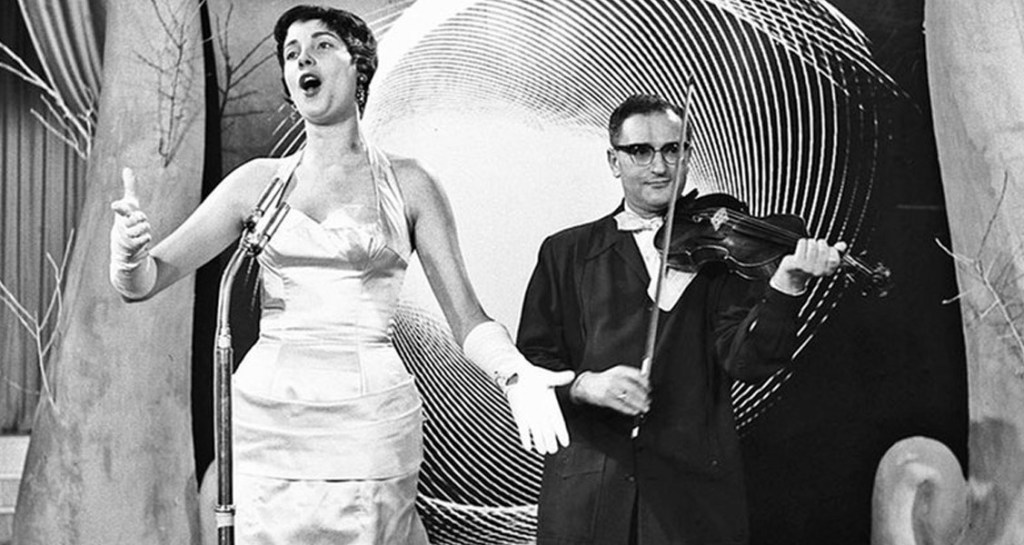
Ten countries took part, with Austria, Denmark, and the United Kingdom competing for the first time and joining the original seven participating countries from the first contest in 1956. A number of changes to the rules from the previous year’s event were enacted, with each country now represented by only one song, which could be performed by up to two performers on stage. The voting system received an overhaul, with each country’s jury now comprising ten individuals which awarded one vote each to their favourite song. The results of the voting were now conducted in public, with a scoreboard introduced to allow the process to be followed by viewers and listeners at home. Jurors were also for the first time not allowed to vote for the song from their own country.

The winner of the contest was the Netherlands, with the song Net als toen performed by Corry Brokken. This was Brokken’s second appearance as a participant, after previously representing the Netherlands in 1956; her victory marked the first of five Dutch wins in the contest as of 2023.

Eurovision 1956

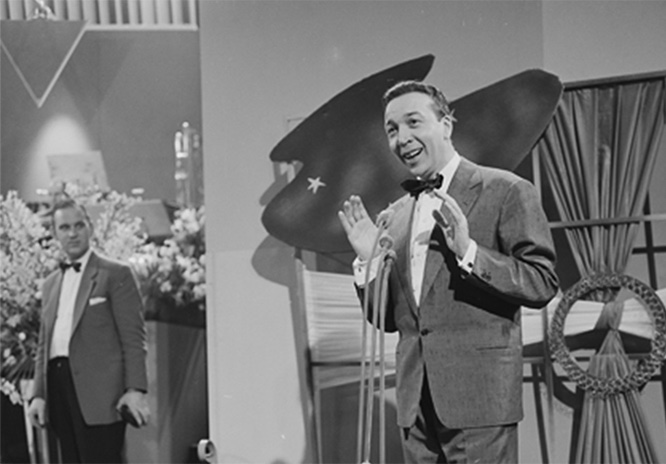
Yesterday the first edition of the annual Eurovision Song Contest 1956 took place in Lugano, Switzerland, organised by the European Broadcasting Union (EBU) and host broadcaster Radio svizzera italiana (RSI) on behalf of the Swiss Broadcasting Corporation(SRG SSR). The contest, originally titled the Gran Premio Eurovisione 1956 della Canzone Europea (English: Grand Prix of the Eurovision Song Competition; French: Grand Prix Eurovision de la Chanson Européenne 1956), was held on Thursday 24 May 1956 at the Teatro Kursaal in Lugano, Switzerland, and hosted by Swiss television presenter Lohengrin Filipello, which remains the only time that the contest has been hosted by a solo male presenter.

Inspired principally by the Italian Sanremo Music Festival, held annually since 1951, the concept of a televised European song contest, initially proposed by Italian broadcaster RAI, was formulated by an EBU committee led by Swiss broadcaster and executive Marcel Bezençon. Following approval at the EBU’s General Assembly in 1955, the rules and structure of the contest were agreed upon. Several of the rules utilised in this first contest would subsequently be altered for future editions, and it remains the only edition in which each country was represented by two songs, with a voting process which was held in secret and where juries could vote for the entries from their own country.

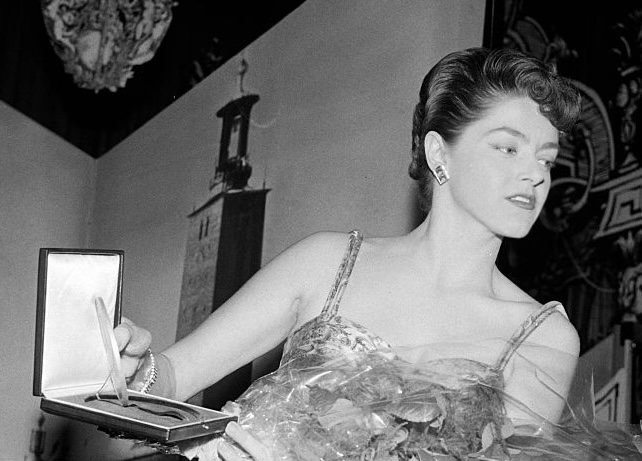
Seven countries participated in the inaugural edition of the contest, and the first winner was the host country Switzerland, with the song Refrain performed by Lys Assia. The result was determined by an assembled jury composed of two jurors from each country, with each juror ranking each song between 1 and 10 points. Only the winning country and song were announced at the conclusion of the event, with the results of the remaining participants unknown. Even though it was broadcast on television and radio via the Eurovision network in ten countries, no video footage of the event is known to exist, with the only video available being of the reprise performance from an independent archiver; the majority of the broadcast is, however, available in audio.