

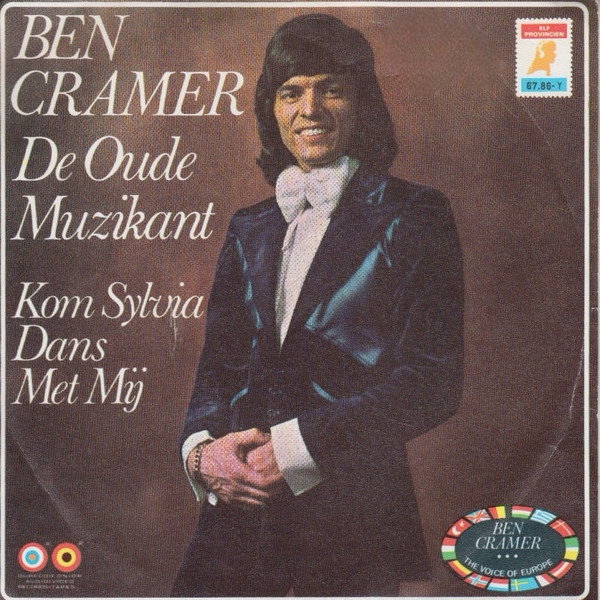
Vandaag, in het jaar 1981 wordt in het Zuidplein-Theater in Rotterdam het Nationaal Songfestival gehouden. Vijf kandidaten nemen het tegen elkaar op met ieder twee liedjes. Van de deelnemers is Ben Cramer, die in 1973 al eens naar het Eurovisiesongfestival ging, het bekendst. De andere acts zijn Lucy Steymel, de toen nog niet zo bekende zangeres Maribelle, de groep Familee en Linda Williams. Die laatste naam werd pas als laatste aan het deelnemersveld toegevoegd. De Brabantse zangeres nam de plaats in van Oscar Harris, die zich had teruggetrokken uit de strijd.
Maribelle werd vooraf als een kanshebber voor het ticket voor Dublin gezien. Ze had immers twee sterke liedjes: Marionette en Fantasie. Dit blijkt uiteindelijk juist haar ondergang te worden. De twaalf provinciejury’s verdelen hun punten ongeveer gelijk om de twee liedjes. Marionette eindigt op de tweede plaats met 27 punten en Fantasie op nummer 3 met 23 punten. Samen goed voor 50 punten. Bij Linda Williams heeft de jury een duidelijke voorkeur. Haar liedje Het Is Een Wonder krijgt 34 punten en haar tweede liedje Zo Is Het Leven krijgt er slechts 6. Linda verzamelt bij elkaar dus maar 40 punten, maar zij mag wel met Het Is Een Wonder ons land vertegenwoordigen op het Eurovisiesongfestival.
Er komt behoorlijk was kritiek op het winnende liedje, dat overigens als enige inzending van alle 12 jury’s punten heeft gekregen. Het zou veel te volks zijn en zeker niet misstaan op een piratenzender. Zit Europa wel te wachten op zoiets typisch Nederlands? Over de compositie zelf was ook nogal wat te doen. Beide liedjes van Linda werden geschreven door Cees De Wit. Bij de aankondiging van Linda’s tweede liedje vermeldde presentator Fred Oster dat Bart van de Laar er ook nog ‘iets mee te maken had gehad’. Zijn naam staat er met potlood op zijn papiertje bij geschreven, vertelt hij er nog even bij.
Als de winnende componisten aan het einde van de uitzending op het podium moeten komen, staat Bart van de Laar er meteen en is Cees de Wit in eerste instantie nergens te vinden. Pas een dikke minuut later, als Bart al geïnterviewd is, komt Cees pas op het podium, maar dan is er geen tijd meer om hem ook nog aan het woord te laten.
Daarmee is het verhaal nog niet klaar, want een paar dagen later zit Bart van de Laar (zonder Cees) bij Sonja’s Goed Nieuws Show, om over Het Is Een Wonder te praten. Dan wordt Sonja geïnterrumpeerd door een mevrouw die zegt de moeder van Cees de Wit te zijn en dat haar zoon het hele nummer, zowel tekst als muziek, alleen geschreven heeft. Sonja ontneemt haar daarna echter het woord. Het verhaal is dat Cees de Wit het lied oorspronkelijk heeft geschreven, maar dat Bart van de Laar de titel en de tekst heeft aangepast. De oorspronkelijke titel was Het Is Weer Zomer.
Ondanks alle kritiek zet Linda Williams op 4 april 1981 een prima resultaat neer in Dublin. Het Is Een Wonder eindigt als 9e van de 20 inzendingen. bron: Top40.

Today the 25th edition of the annual Eurovision Song Contest was held in The Hague, Netherlands, and was organised by host broadcaster Nederlandse Omroep Stichting (NOS) – which agreed to stage the event after Israel, having won in both 1978 and 1979, declined to host it for a second successive year – and the European Broadcasting Union (EBU). The contest was held at the Nederlands Congresgebouw and was hosted by Dutch actress Marlous Fluitsma, although each song was introduced by a presenter from the participating nation (in some cases, this was the same person providing the commentary).
Nineteen countries took part this year, with Monaco and the previous year’s winner Israel deciding not to participate, and Turkey returning. Morocco, notably, made its only appearance in the contest.
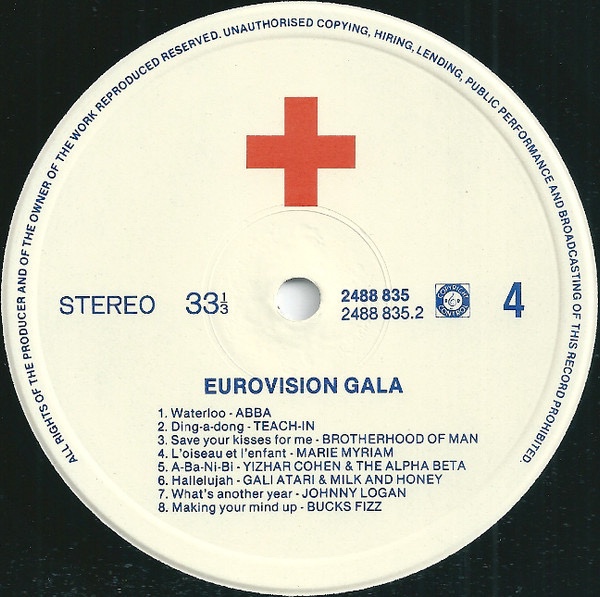
The winner was Ireland with the song What’s Another Year, sung by Johnny Logan and written by Shay Healy.
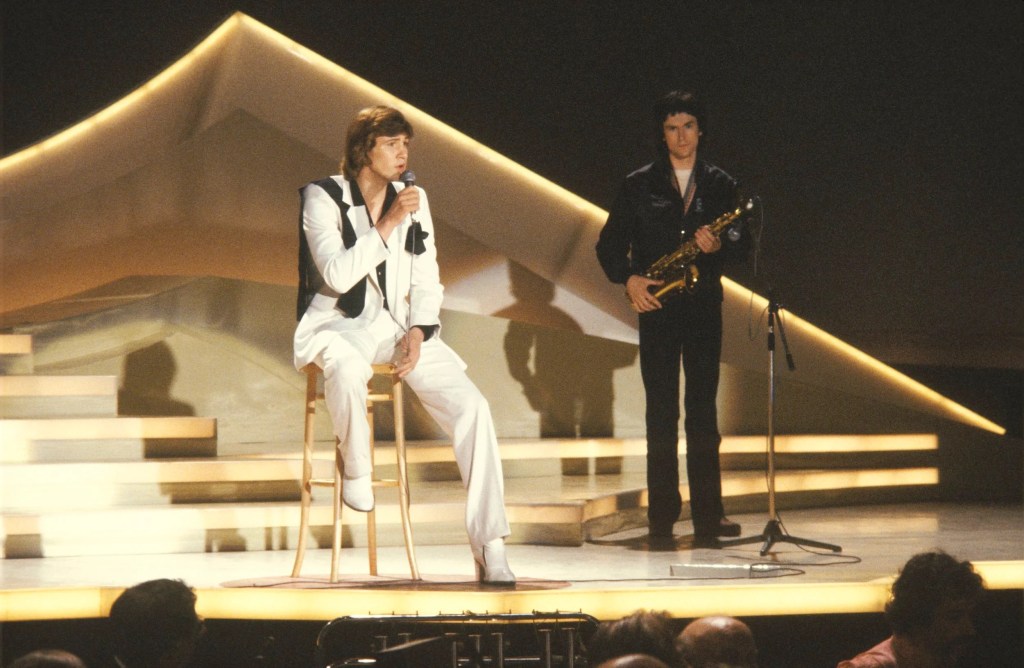
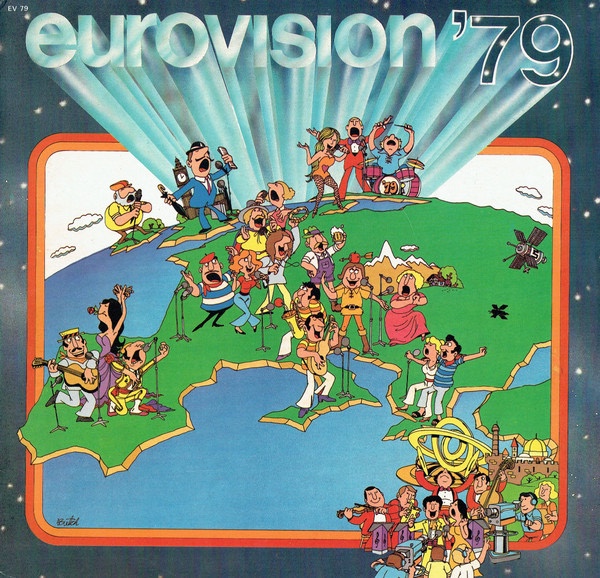


On this day in 1979, the 24th edition of the annual Eurovision Song Contest 1979 took place in Jerusalem, Israel, following the country’s victory at the 1978 contest with the song “A-Ba-Ni-Bi” by Izhar Cohen and the Alphabeta. Organised by the European Broadcasting Union (EBU) and host broadcaster Israeli Broadcasting Authority(IBA), the contest was held at the International Convention Centre and was hosted by Israeli television presenter Daniel Pe’er and singer Yardena Arazi. This was the first time that the Eurovision Song Contest was held outside Europe.
Nineteen countries participated in the contest with Turkey deciding not to participate after Arab countries had pressured it into not participating in a contest held in Israel. Yugoslavia, who had missed the 1977 and 1978 contest, also did not want to take part nor transmit the show this year for political reasons, despite a poll held earlier in which almost 100,000 people declared that they wanted Yugoslavia to return to the contest.
For the second year in a row Israel won with the song “Hallelujah”, performed by the Israeli group Milk and Honey featuring Gali Atari.
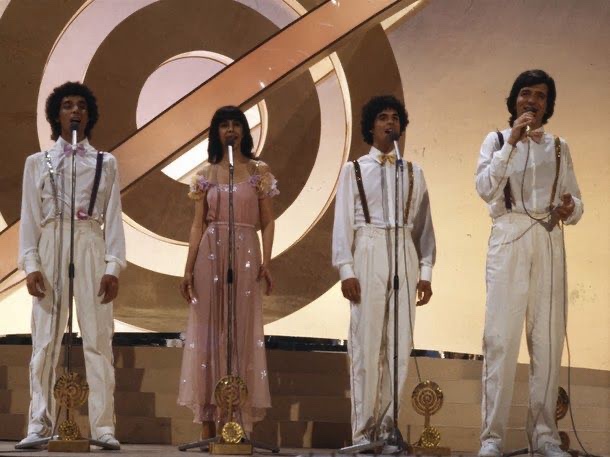
Today the 23rd edition of the annual Eurovision Song Contest was held in Paris, France, following the country’s victory at the 1977 contest with the song L’Oiseau et l’Enfant by Marie Myriam. Organised by the European Broadcasting Union (EBU) and host broadcaster Télévision Française 1 (TF1), the contest was held at the Palais des Congrès on 22 April 1978 and was directed by Bernard Lion. The contest was presented by French television presenters Denise Fabre and Léon Zitrone. This was the first time that more than one presenter had hosted the contest as well as the first to have a male presenter since 1956.
Twenty countries participated, the highest number of competing countries in the history of the competition at the time. Denmark and Turkey both returned to the contest. Denmark had not participated since 1966, 12 years before.
The winner of the contest was Israel with the song A-Ba-Ni-Bi by Izhar Cohen and the Alphabeta. The winning entry was a love song sung in the Hebrew equivalent of Ubbi dubbi (the title is an expansion of the Hebrew word ani, meaning “I”). This was Israel’s first Eurovision win, and it was also the first winning song to be performed in one of the Semitic languages. Furthermore, it was also the only winning song to be conducted by a woman, Nurit Hirsh. Norway finished last for the fifth time, gaining the first nul points after the new voting system was implemented in 1975.
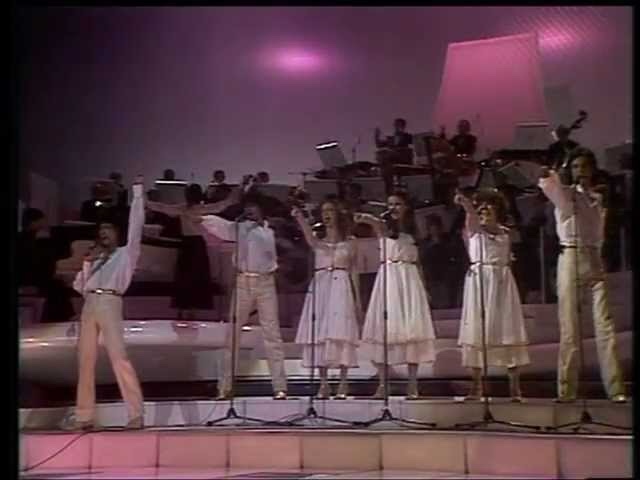
Today the 22nd edition of the annual Eurovision Song Contest took place in London, United Kingdom, following the country’s victory at the 1976 contest with the song “Save Your Kisses for Me” by Brotherhood of Man. Organised by the European Broadcasting Union (EBU) and host broadcaster British Broadcasting Corporation (BBC), the contest was held at the Wembley Conference Centre, marking the first time the event took place in the month of May since the first contest in 1956. The contest was directed by Stewart Morris and hosted by English journalist Angela Rippon.
Eighteen countries participated in the contest; Sweden returned after its absence from the previous edition, while Yugoslavia decided not to enter.
The winner was France with the song “L’Oiseau et l’Enfant“, performed by Marie Myriam, written by Joe Gracy, and composed by Jean-Paul Cara. The United Kingdom, Ireland, Monaco and Greece rounded out the top five. Greece’s fifth place finish was their best result up to that point. France’ fifth win was also a record at the time, and one that France held onto for six years, until being equalled by Luxembourg in 1983.
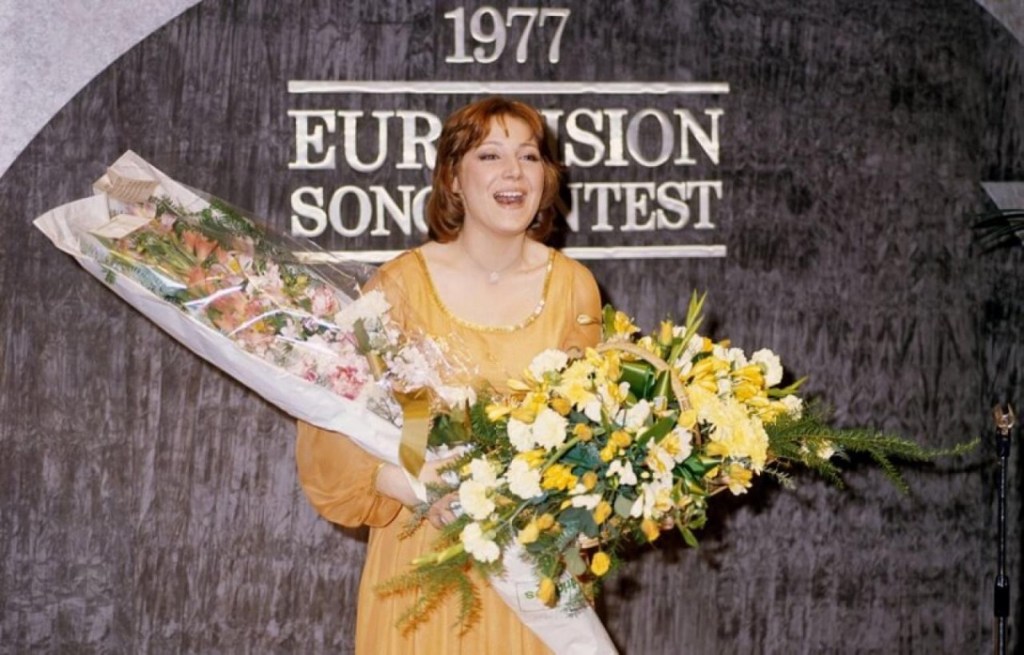
On this day in 1976, the 21th edition of the annual Eurovision Song Contest took place in The Hague, Netherlands, following the country’s victory at the 1975 contest with the song Ding-a-dong by Teach-In. Organised by the European Broadcasting Union (EBU) and host broadcaster Nederlandse Omroep Stichting(NOS), the contest was held at the Nederlands Congrescentrum and was hosted by 1957 Dutch Eurovision winner Corry Brokken.
Eighteen countries took part in the contest with Sweden, Malta and Turkey opting not to return to the contest after participating the previous year. Malta would not return to the contest again until 1991. On the other hand, Austria and Greece returned to the competition, having been absent since 1972 and 1974 respectively.
United Kingdom won the contest this year with the song Save Your Kisses for Me by Brotherhood of Man. The song went on to become the biggest selling winning single in the history of the contest and won with 80.39% of the possible maximum score and an average of 9.65 of 12; a record under the voting system introduced in 1975.
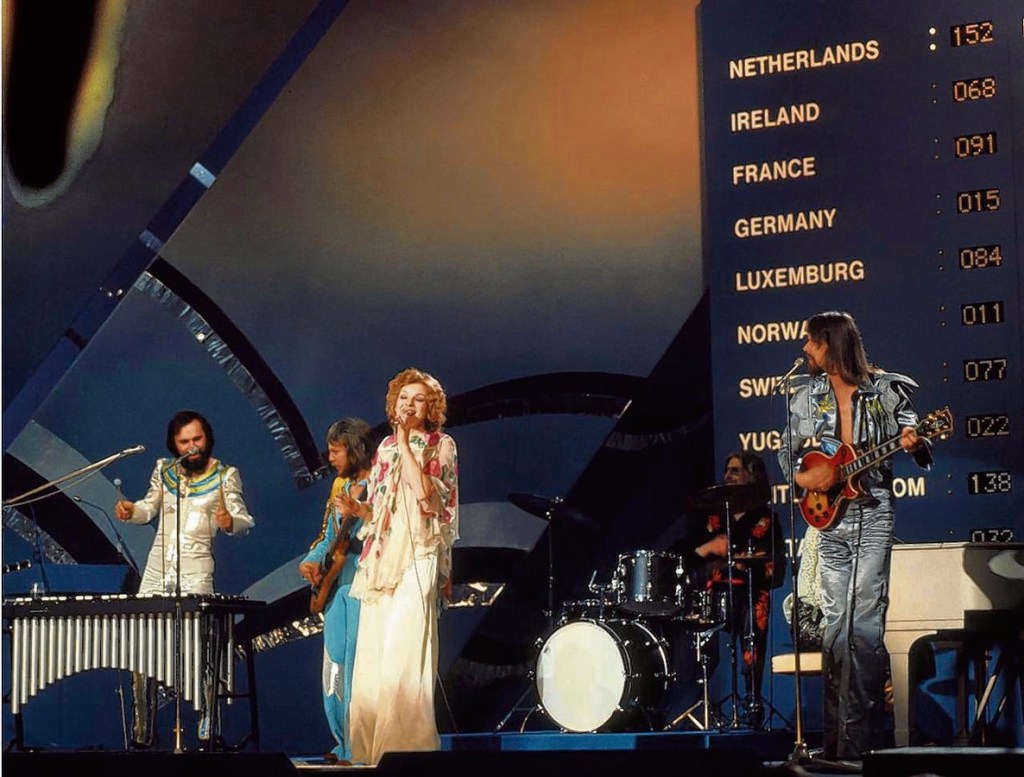
The Eurovision Song Contest 1975 was the 20th edition of the annual Eurovision Song Contest. It took place in Stockholm, Sweden, following the country’s victory at the 1974 contest with the song Waterloo by ABBA. Organised by the European Broadcasting Union(EBU) and host broadcaster Sveriges Radio(SR), the contest was held at Stockholmsmässan on this day in 1975, and was hosted by Swedish television director Karin Falck. It was the first time that the contest had taken place in Sweden.
Nineteen countries participated in the contest, beating the previous record of eighteen, that was first set in the 1965 edition. France and Malta returned after their one-year and two-year absences, respectively. Turkey made its debut, while Greece decided not to enter after its debut the year prior.
The winner of the contest was the Netherlands who won with the song Ding-A-Dong, performed by Teach-In, written by Will Luikinga and Eddy Ouwens, and composed by Dick Bakker. The country would not win again until 2019.
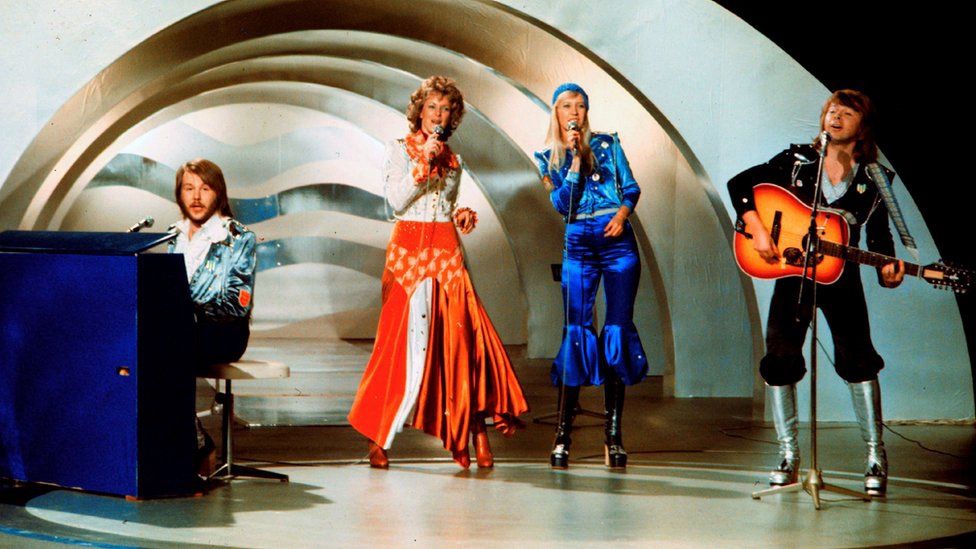
On this day in 1974, the 19th edition of the annual Eurovision Song Contest 1974 was held in Brighton, United Kingdom, and was organized by the European Broadcasting Union (EBU) and host broadcaster British Broadcasting Corporation(BBC). The UK agreed to host the event after Luxembourg, having won in both 1972 and 1973, declined to host it for a second successive year on the grounds of expense. The contest was held at the Brighton Dome on 6 April 1974 and was hosted by Katie Boyle for the fourth and final time (having hosted the 1960, 1963 and 1968 editions).
Seventeen countries took part in the contest, with France being absent and Greece competing for the first time this year.
The winner was Sweden with the song Waterloo, performed by ABBA, who would later go on to become one of the best-selling acts in pop music history.
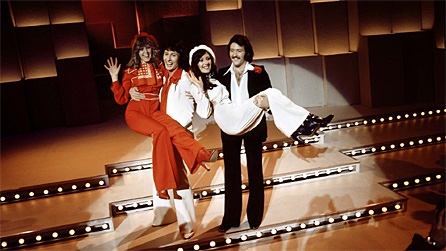
On this day in 1973, the 18th edition of the annual Eurovision Song Contest took place in Luxembourg City, Luxembourg, following the country’s victory at the 1972 contest with the song Après toi by Vicky Leandros. Organised by the European Broadcasting Union (EBU) and host broadcaster Compagnie Luxembourgeoise de Télédiffusion (CLT), the contest was held at the Grand Théâtre, and was hosted by German television presenter Helga Guitton.
Seventeen countries took part in the contest this year, with Austria and Malta deciding not to participate, and Israel competing for the first time.
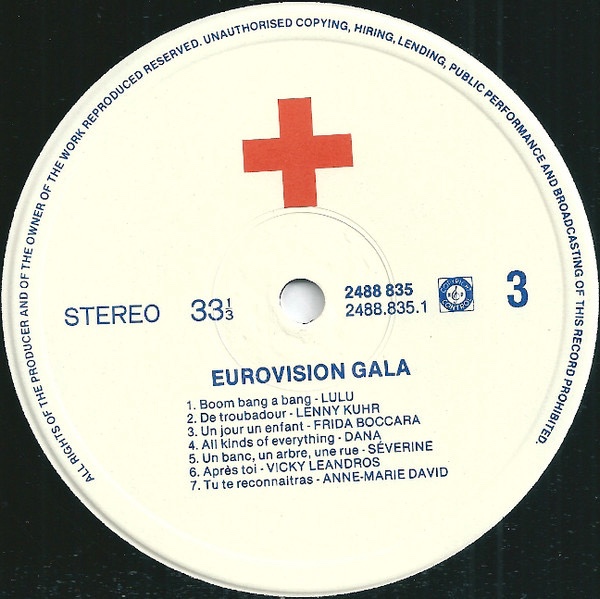
In a back-to-back victory, Luxembourg won the contest again with the song Tu te reconnaîtras by Anne-Marie David. The voting was a very close one, with Spain with Eres tú by Mocedades finishing only 4 points behind and the United Kingdom with Power to All Our Friends by Cliff Richard (who had come second in 1968 just behind Spain) another 2 points further back. The winning song scored the highest score ever achieved in Eurovision under any voting format until 1975, recording 129 points out of a possible 160, which represented almost 81% of the possible maximum. This was partly due to a scoring system which guaranteed all countries at least two points from each country.


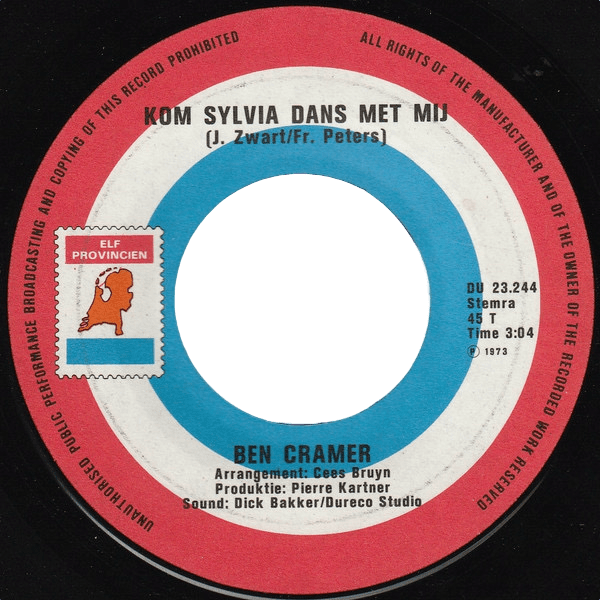
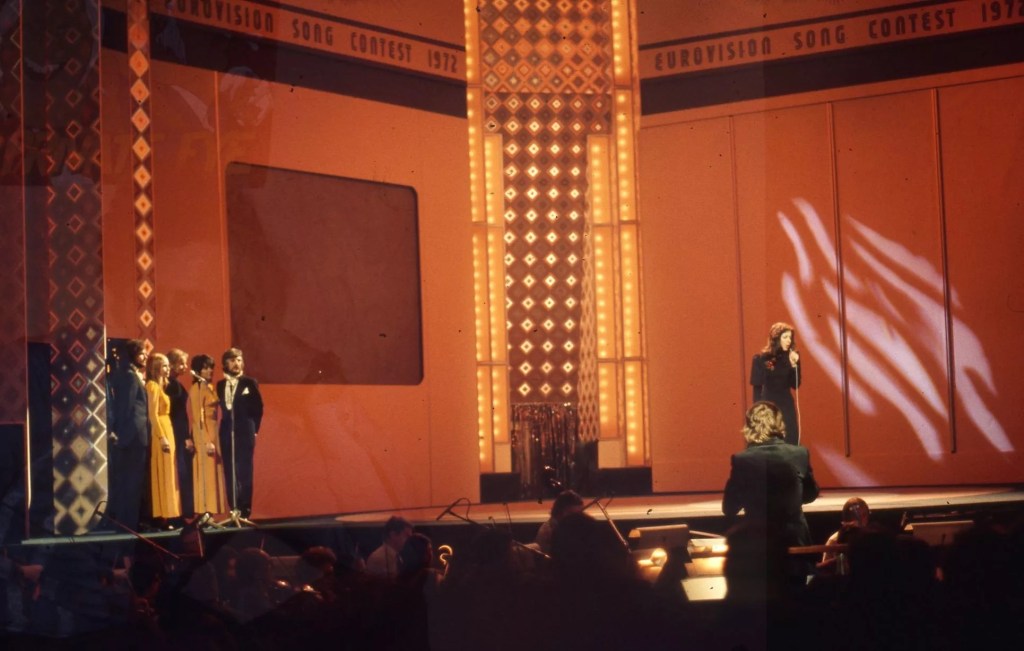
This evening the 17th edition of the annual Eurovision Song Contest took place in Edinburgh, United Kingdom and was organised by the European Broadcasting Union (EBU) and host broadcaster British Broadcasting Corporation(BBC), who agreed to stage the event after Monaco, who won in 1971, were unable to meet the demands of hosting the event and could not find a suitable venue. The contest was held at the Usher Hall on 25 March 1972 and was hosted by Scottish ballet dancer Moira Shearer.
Eighteen countries took part in the contest, the same countries as the previous year.
The winner was Luxembourg with the song “Après toi”, performed by Vicky Leandros, with lyrics by Yves Dessca, and music composed by Mario Panas (which was the writing pseudonym of Vicky’s father Leo Leandros). “Après toi” became the winner with the lowest percentage of the total vote, winning with just 8.30% of the points available. Yves Dessca also wrote “Un banc, un arbre, une rue” that had won the previous edition, and became the second person to win the contest twice, the first person to win for two different countries and the first person to win two years in a row. Germany finished in third place for the third consecutive year, equalling their highest placement from the previous two editions.
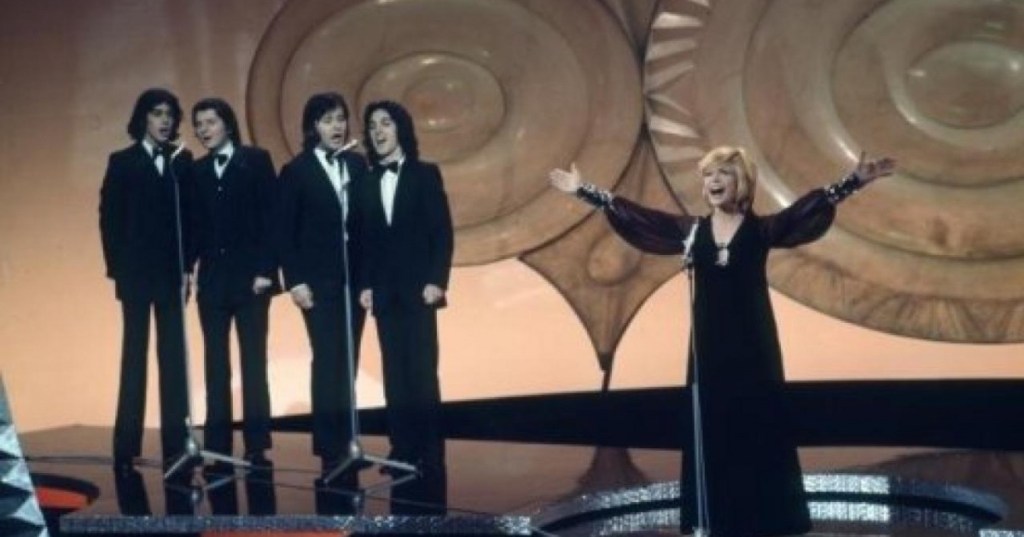
On this day in 1971, the 16th edition of the annual Eurovision Song Contest was held in Dublin, Ireland, following the country’s victory at the 1970 contest with the song All Kinds of Everything by Dana. Organised by the European Broadcasting Union (EBU) and host broadcaster Radio Telefís Éireann (RTÉ), the contest was held at the Gaiety Theatre, and was hosted by Irish television presenter Bernadette Ní Ghallchóir.
Eighteen countries participated in the contest, equalling the record of the 1965 and 1966 editions. Austria returned after their two-year absence, while Finland, Norway, Portugal and Sweden all returned after having boycotted the competition the previous year. On the other hand, Malta competed for the first time.
The winner was Monaco with the song Un banc, un arbre, une rue, performed by Séverine, written by Yves Dessca, and composed by Jean-Pierre Bourtayre. This was Monaco’s first and only victory in the contest. This was also the only time in the contest’s history, where the second and third-placed entrants were also awarded.
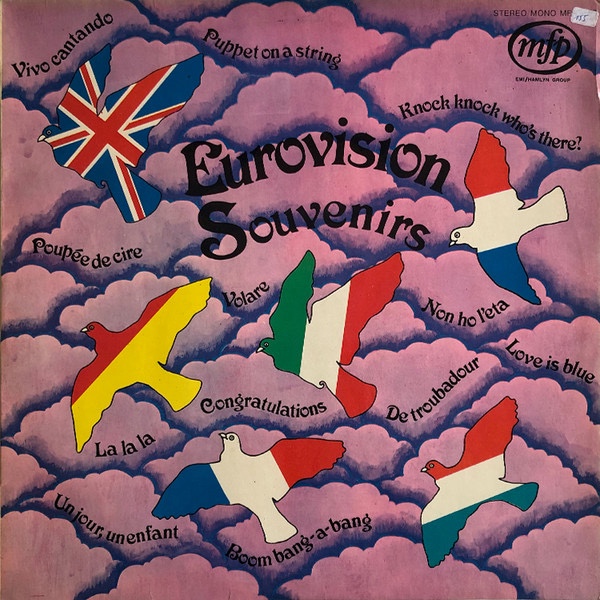
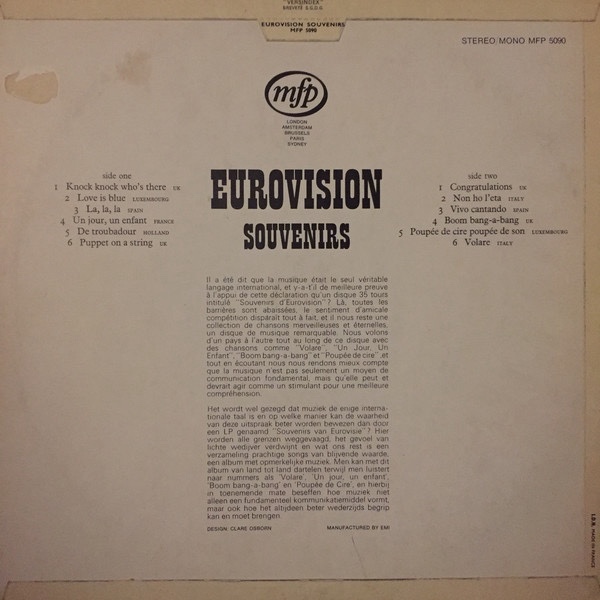

Tonight the 15th edition of the annual Eurovision Song Contest took place in Amsterdam, Netherlands. Organised by the European Broadcasting Union (EBU) and host broadcaster Nederlandse Omroep Stichting (NOS), the contest was held at the RAI Congrescentrum, and was hosted by Dutch television presenter Willy Dobbe.
Twelve countries participated in the contest this year. This was the lowest number of participants since the 1959 edition. The reason was that Finland, Norway, Portugal, Sweden and Austria all boycotted the 1970 edition, officially because they felt that the contest marginalised smaller countries and was no longer good television entertainment, though it is rumoured that this was also in protest of the four-way tie result that had occurred in 1969.
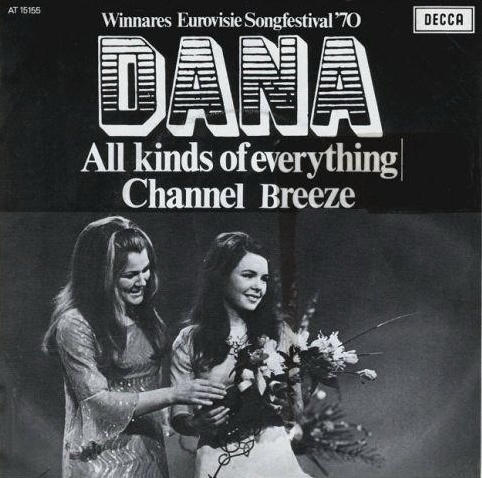
The winner of the competition was Ireland with the song All Kinds of Everything, performed by Dana, and written by Derry Lindsay and Jackie Smith. This was Ireland’s first of their eventual record seven victories in the contest. The United Kingdom finished in second place for the seventh time, while Germany ended up in third place – the best result for the country at the time. This was also the only time that Luxembourg received nul points.

On March 21, 1970, the international final of the Eurovision Song Contest was broadcast on television from the RAI in Amsterdam. This program is presented by Willy Dobbe. Irish singer Dana wins with All Kinds of Everything. Waterman from the Dutch trio The Hearts of Soul will open this festival. This song by Pieter Goemans gets seven points. This score is good for a fifth place.
Today the 14th edition edition of the annual Eurovision Song Contest took place in Madrid, Spain, following the country’s victory at the 1968 contest with the song La La La by Massiel. Organised by the European Broadcasting Union(EBU) and host broadcaster Televisión Española (TVE), the contest was held at the Teatro Real and was hosted by Spanish television presenter and actress Laurita Valenzuela.
Sixteen countries took part in the contest with Austria deciding not to participate this year.
At the close of voting, four countries were declared joint-winners: the United Kingdom with Boom Bang-a-Bang by Lulu, Spain with Vivo cantando by Salomé, the Netherlands with De troubadour by Lenny Kuhr, and France with Un jour, un enfant by Frida Boccara. It was the first time in the history of the contest that a tie for first place had occurred, and as there was no tiebreaker rule in place at the time, all four countries were declared joint winners.
France’s win was their fourth, thus making it the first country to win the contest four times. The Netherlands’ win was their third. Spain and the United Kingdom each won for the second time, with Spain becoming the first country to win the Eurovision Song Contest twice in a row.
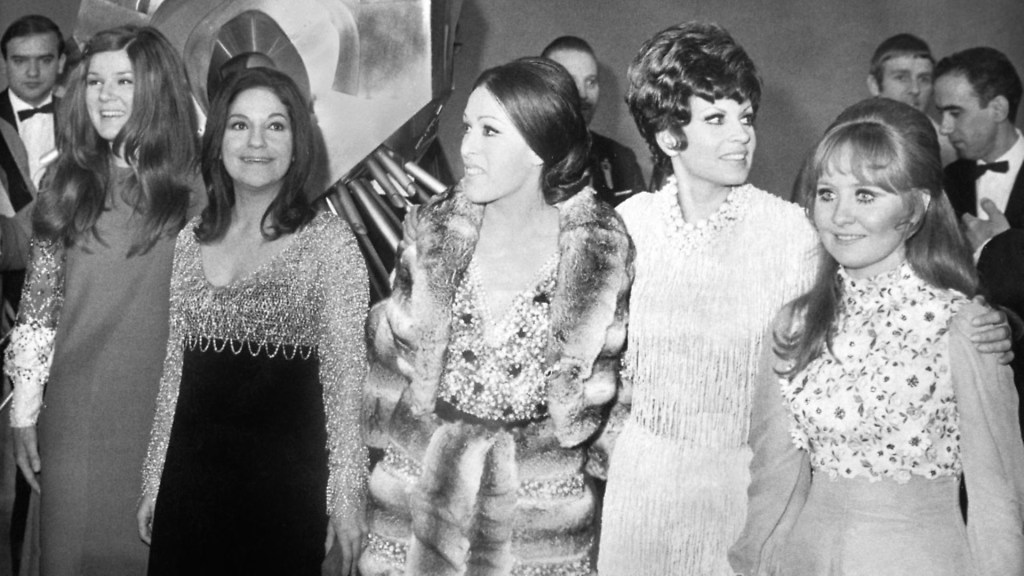
On this day in 1968, the 13th edition of the annual Eurovision Song Contest took place in London, United Kingdom, following the country’s first victory at the 1967 contest with the song Puppet on a String by Sandie Shaw. Despite having won for the first time the year before, it was actually the third time that the United Kingdom had hosted the competition, having previously done so in 1960 and 1963, both of which also took place in London. Organised by the European Broadcasting Union (EBU) and host broadcaster British Broadcasting Corporation(BBC), the contest was held at Royal Albert Hall and was hosted by Katie Boyle for the third time. It was notably also the first time that the contest was broadcast in colour.
Seventeen countries participated in the contest, the same countries that had participated the previous year.
The winner was Spain with the song La La La by Massiel, and written/composed by Manuel de la Calva and Ramón Arcusa. This was Spain’s first victory – and their first ever top five placing – in the contest.

Today the 12th edition of the annual Eurovision Song Contest took place in Vienna, Austria, following the country’s victory at the 1966 contest with the song Merci, Chérie by Udo Jürgens. Organised by the European Broadcasting Union (EBU) and host broadcaster Österreichischer Rundfunk (ORF), the contest was held at the Großer Festsaal der Wiener Hofburg on 8 April 1967, becoming the first contest held in the month of April, and was hosted by Austrian actress Erica Vaal.
Seventeen countries participated in the contest, one fewer than the record eighteen that had competed in the 1965 and 1966 editions. Denmark decided not to enter and left the contest at this point, not returning until 1978.
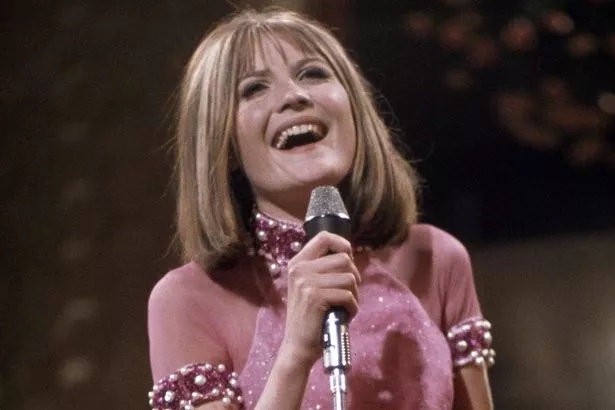
The United Kingdom won the contest for the first time with the song Puppet on a String, written and composed by Bill Martin and Phil Coulter, and performed by Sandie Shaw. The entry had one of the widest margins of victory ever witnessed in the competition; it garnered more than twice as many points as the second-placed song. Shaw intensely disliked the composition, though her attitude towards the song somewhat mellowed in later years, even releasing a new version in 2007.
This was the last contest to be transmitted only in black and white as it would begin to be transmitted in colour from the 1968 edition onwards.



 euro-vision.blog